Dreaming Big: The Vasarely Foundation Turns Fifty!
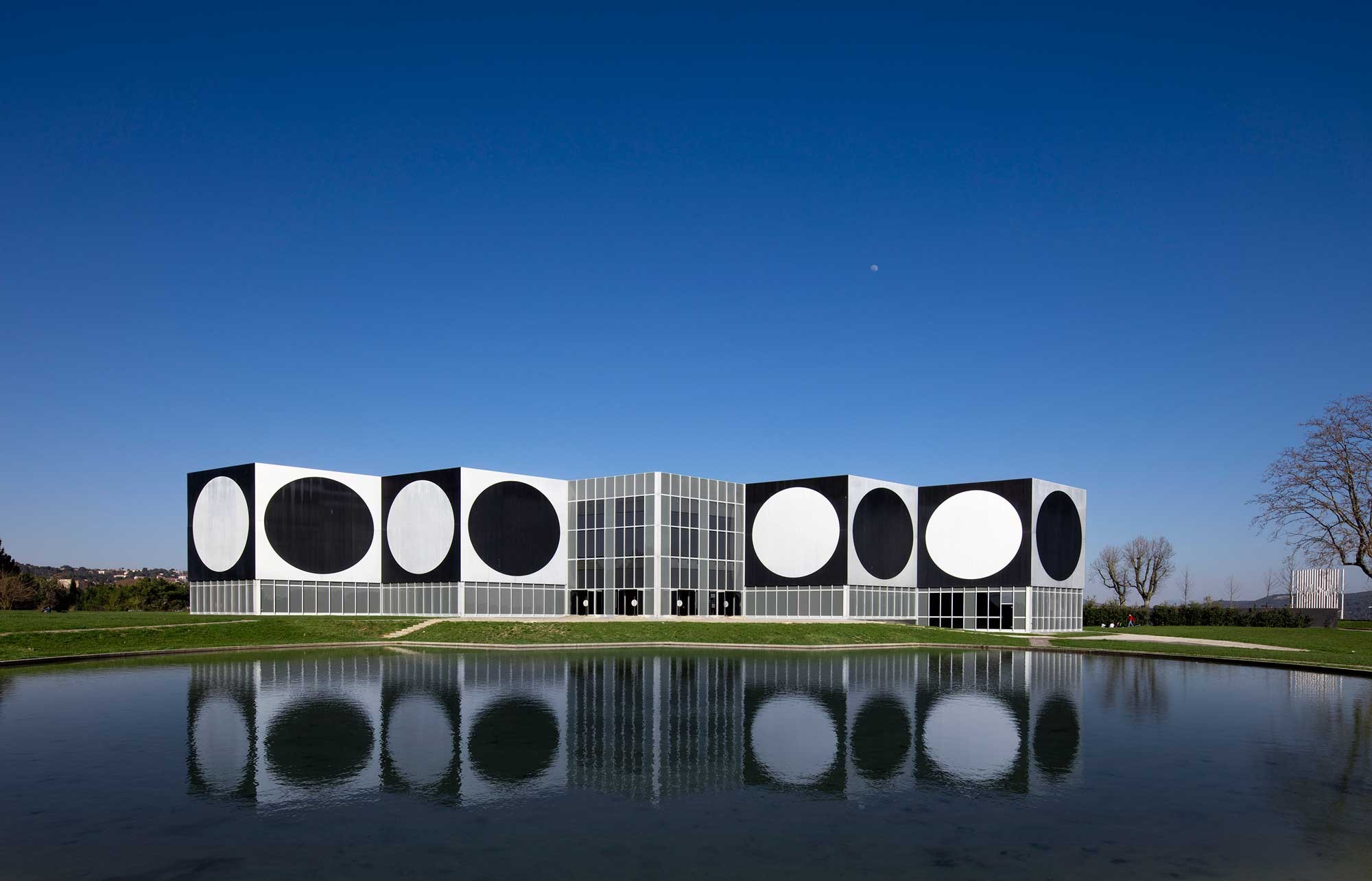
Since driving along the A8 motorway towards Aix-en-Provence, you may have caught sight of Vasarely’s monumental black-and-white “V”, conceived by the artist as a true signal sculpture, visible from the highway. With the Fondation celebrating its fiftieth anniversary this year, there is every reason to stop and visit. Titled “Project for a Revolution: Vasarely and Architecture”, this anniversary exhibition explores the architectural vision of the idealistic and humanist artist Victor Vasarely. The exhibition begins with the ambitious dream of this heir to the Bauhaus and member of the Espace Group: to take art out of museums and weave it into the fabric of everyday urban life. From the Polychrome City of Happiness project to his monumental integrations within the University City of Caracas, the exhibition reveals the many facets of his work while questioning the role of art in the age of information and its capacity for social transformation. Enhanced by exceptional loans from the Centre Pompidou, the FRAC Centre-Val de Loire and the Musée National Fernand Léger, it offers a comprehensive look at one of the most visionary artistic and architectural revolutions of the twentieth century.
→ Project for a Revolution: Vasarely and Architecture, until 1 November 2026 at the Fondation Vasarely, Aix-en-Provence
Pierre Paulin: Shaping Modernity at the Fabre Museum
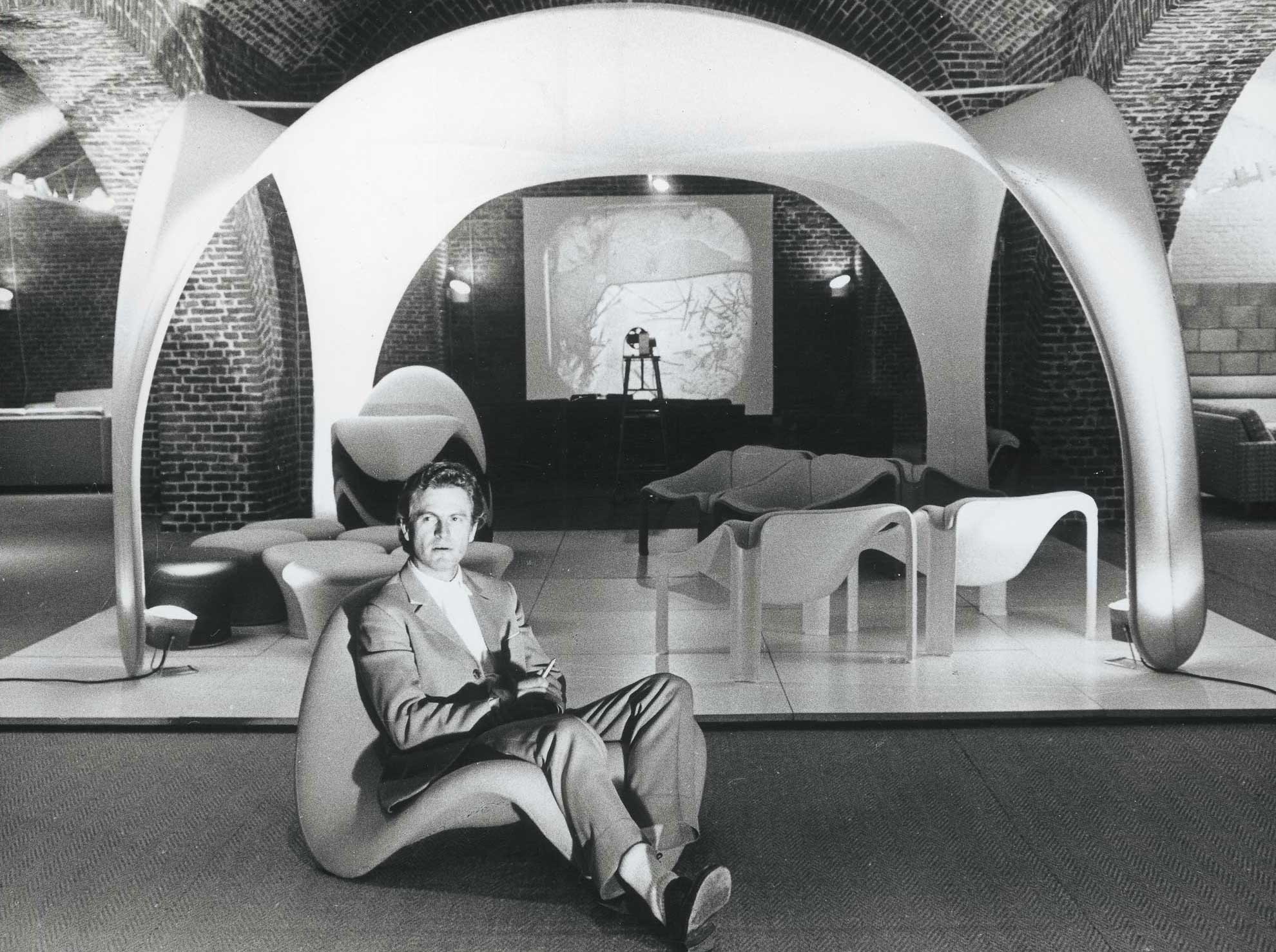
The Fabre Museum is dedicating its first major design exhibition to Pierre Paulin, one of the leading figures of 20th-century design. His career reflects both the emancipation of post-war creative talent and the arrival of design at the highest levels of the French state. Organized in partnership with the Pierre Paulin Fund and the French National Manufactories (Sèvres & Mobilier national), this retrospective highlights the richness of his career, his influences, and his most iconic creations. Two works are being presented exclusively for the occasion: the Élysée Palace Smoking Room, specially restored for the exhibition, and the Vidéo Barnum, an immersive and sensory installation.
→ Design by Pierre Paulin (1927–2009), until 1 November 2026 at the Musée Fabre, Montpellier
A remarkable industrial heritage site on the edge of Calanques National Park
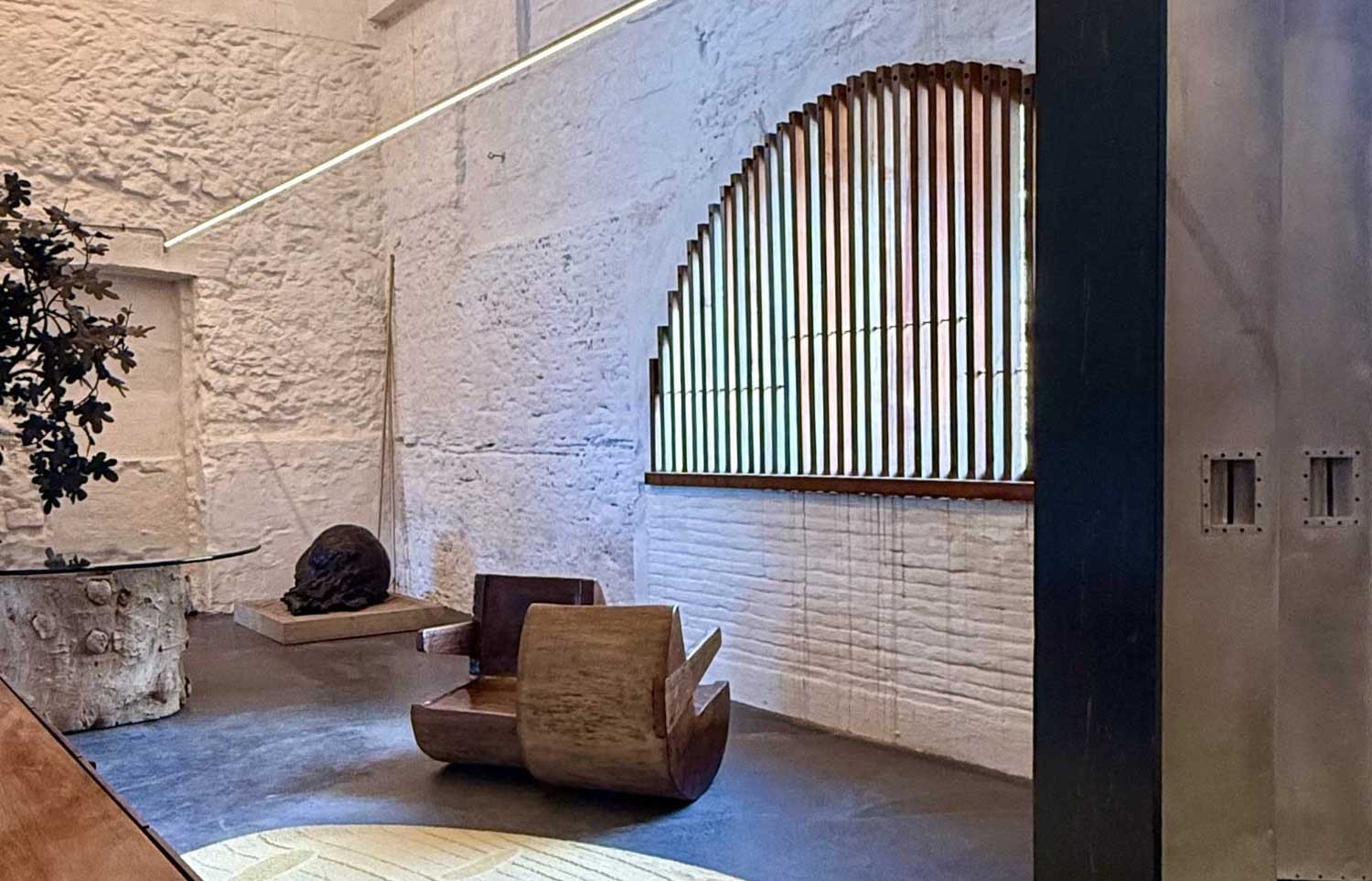
La Friche de l’Escalette, located on the edge of Marseille’s Calanques National Park, invites visitors to discover the remains of its remarkable industrial heritage. Alongside Jean Prouvé’s lightweight structures and its ever-growing collection of modern and contemporary sculpture, this unique site has been showcasing works by leading Brazilian designers since the beginning of the summer, including Jorge Zalszupin, Francesco Scapinelli and Sergio Rodrigues. Pride of place, however, is given to furniture by the self-taught designer and builder José Zanine Caldas. Made from discarded tree trunks, these pieces embody both his fight against deforestation in the Amazon and his commitment to highlighting local, traditional craftsmanship. A pioneer of ecological design, he collaborated with canoe carvers from his native region of Bahia. Beneath their machetes, the wood was transformed into furniture with organic forms and a deliberately primitive aesthetic.
→ Brazil / France: Design 1950–1970, until 30 September 2026 at the Friche de l’Escalette, Marseille
Design Parade: Celebrating 20 Years at Villa Noailles
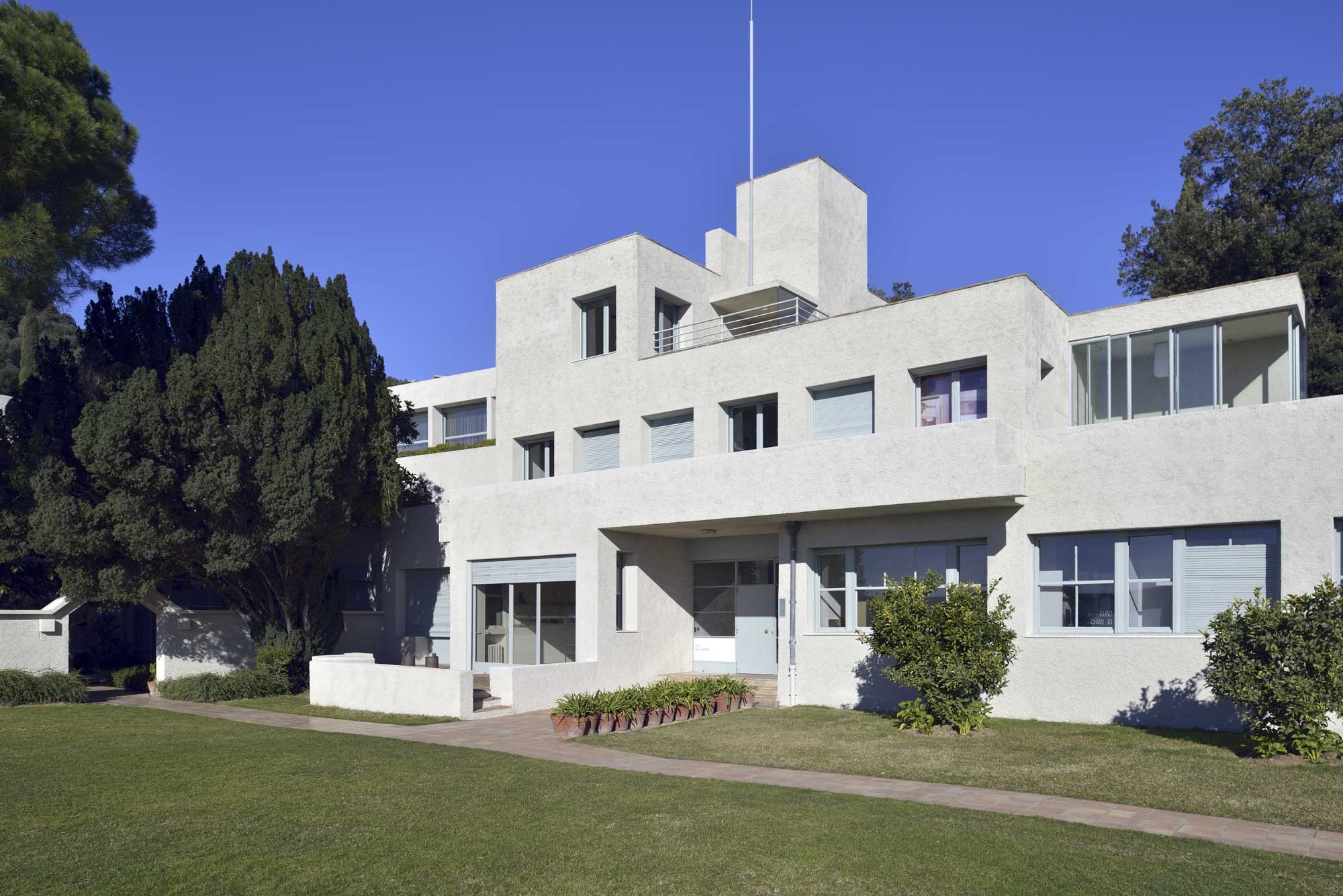
2026 was an anniversary year for Design Parade, which celebrated twenty years of its product design festival and ten years of its interior architecture festival. Founded in 2006 under the patronage of Andrée Putman, the festival aims to promote contemporary creativity in product design. Ten years later, a second event dedicated to interior architecture was launched, with Ronan and Erwan Bouroullec as its patrons. This year, three influential designers chaired the juries: Sofia Lagerkvist and Anna Lindgren of studio Front for product design, and Laura Gonzalez for interior architecture. Through two competitions, the juries celebrated the work of ten emerging designers and ten emerging interior architects. Organised in partnership with École Camondo and curated by David Giroire, the exhibition 20+10: Génération(s) Design Parade offered a distinctive perspective on the creative figures who have shaped the festival’s history.
But the celebrated Mallet-Stevens house, designed for patrons Charles and Marie-Laure de Noailles, still has more in store for 2026. We now eagerly await the 41st Hyères International Festival of Fashion, Photography and Accessories, taking place from 15 to 18 October. Another encounter with emerging creative talent and the energy that, for more than forty years, has made Villa Noailles one of the cradles of the avant-garde.
→ 41st International Festival of Fashion, Photography and Accessories, from 15 to 18 October 2026 at Villa Noailles, Hyères. Exhibitions run until 28 February 2027.
Dragon Hill: A Landscape House on the Heights of Mouans-Sartoux
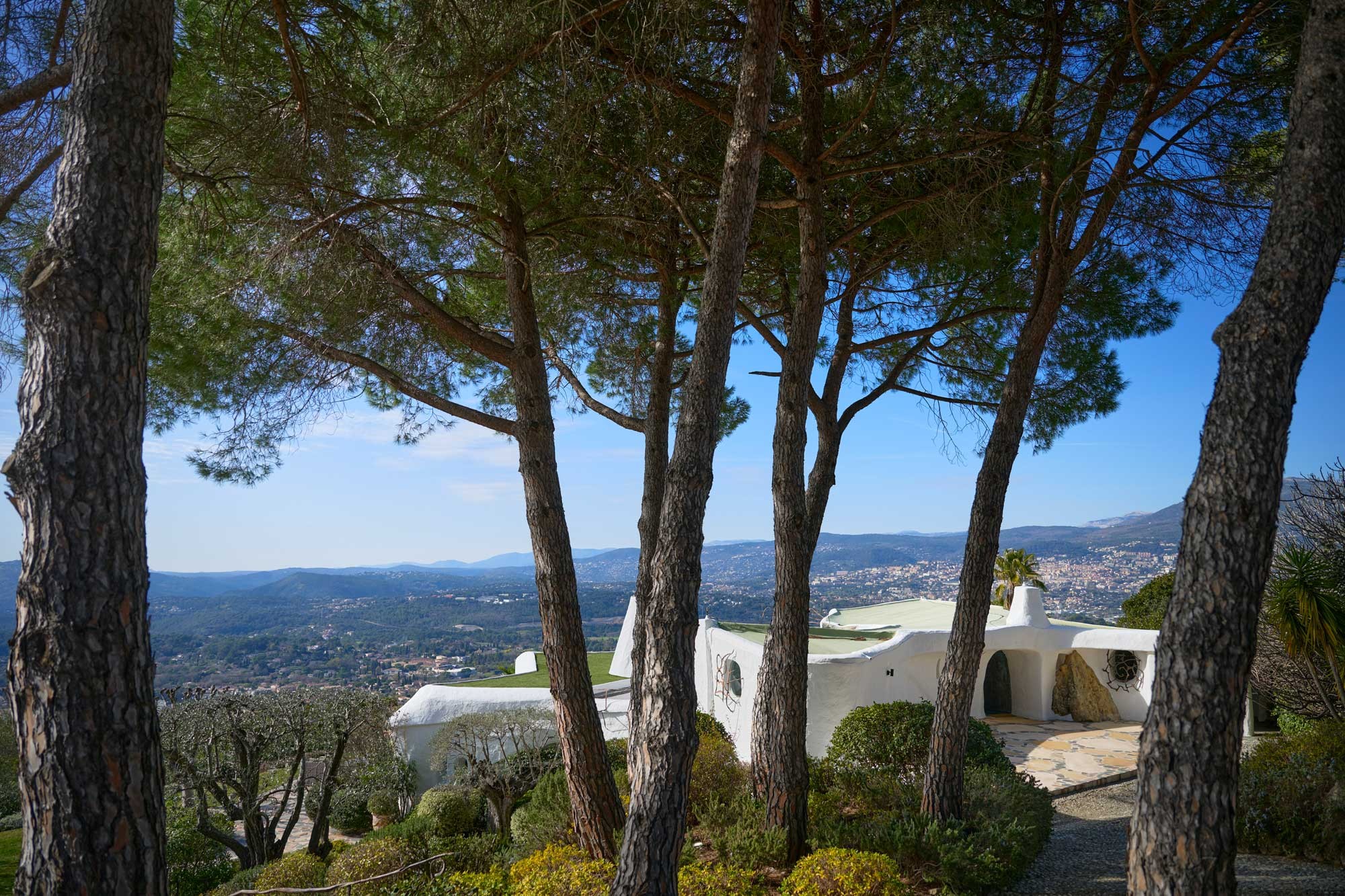
Perched in the hills above Cannes, Dragon Hill is a “landscape house” designed by architect Jacques Couëlle. Today, the property hosts a hybrid cultural venue guided by the free-spirited and visionary legacy of this brilliant self-taught creator. A programme of monthly residencies offers artists and writers from diverse backgrounds a creative sanctuary dedicated to research and experimentation. Its Mediterranean garden, punctuated by a sculpture park, features works by Antony Gormley, Tony Cragg, Claudia Comte, Thomas Houseago and Alicja Kwade. Spread throughout the estate like plants that had naturally taken root there, the artworks reinforce Dragon Hill’s place on the international contemporary art scene.
A testament to this vision is the current exhibition, Living the Landscape House, by sculptor Olivia Cognet. At the crossroads of art, design and architecture, the artist has developed a sculptural language in which each work engages with its surroundings and invites the body to inhabit it. Her approach resonates deeply with the world of Jacques Couëlle, sharing his desire to blur the boundaries between sculpture and living space. Created especially for Dragon Hill, Olivia Cognet's works extend the house's cavities, curves and irregular volumes, with some appearing to merge seamlessly into the architecture as though they were natural extensions. For the exhibition, the artist notably conceived a sculptural upholstered sofa in collaboration with Atelier Dégut in Lyon, alongside a series of outdoor stone furniture pieces whose monolithic forms seem to emerge organically from the landscape.
→ Living the Landscape House, Olivia Cognet, at Dragon Hill, Mouans-Sartoux, until 30 November 2026
An Architectural Journey Through Château La Coste
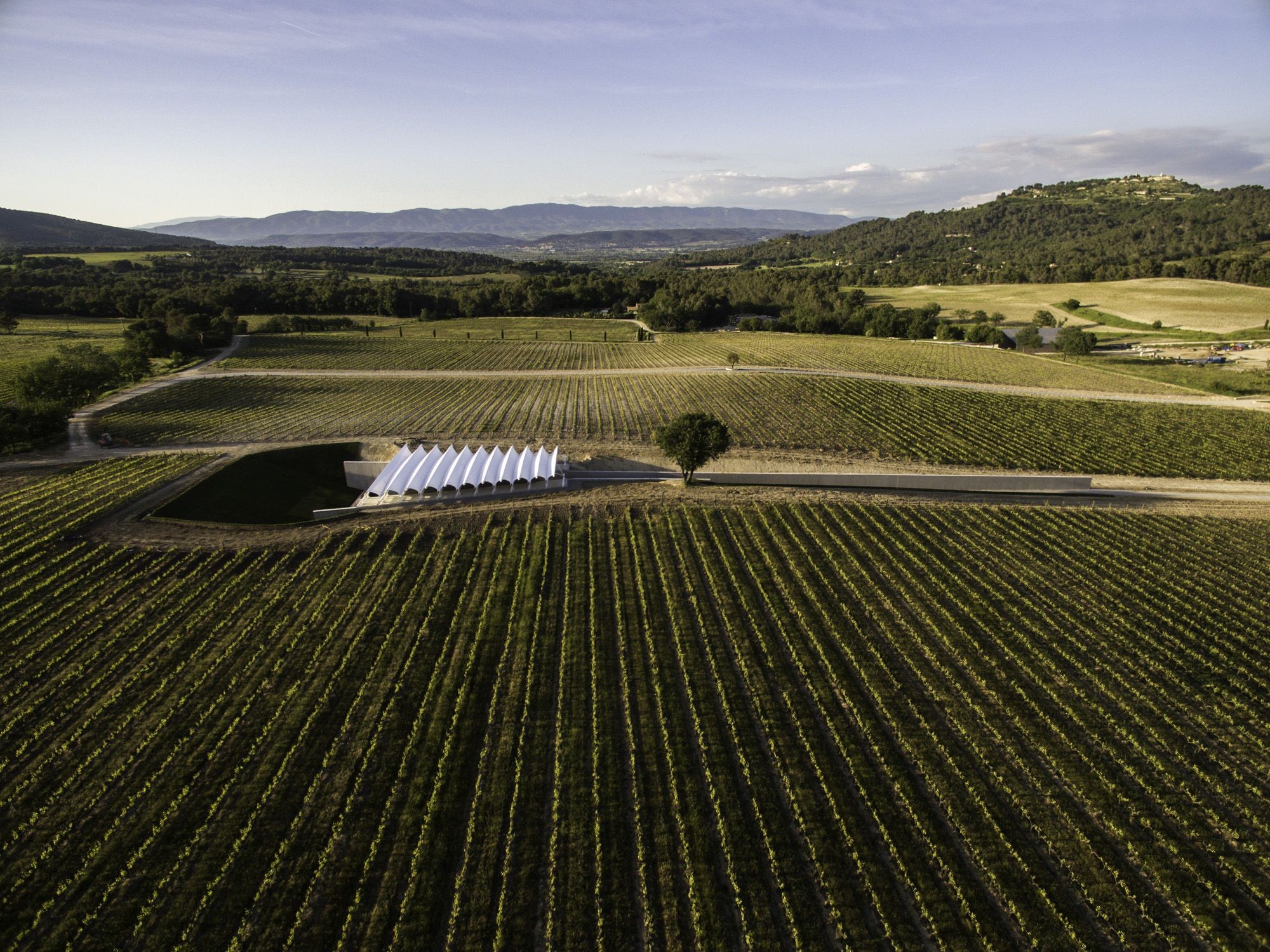
At Château La Coste, near Aix-en-Provence, every building designed by a renowned architect is a destination in its own right, turning a visit into an architectural journey in constant dialogue with art and the surrounding vineyard landscape. Across this vast wine estate, more than forty contemporary artworks can be discovered along a trail punctuated by pavilions, galleries and buildings conceived by some of the world’s leading architects. Nestled into a natural hollow, the Renzo Piano Pavilion combines glass and concrete in a discreet structure that appears to emerge from the landscape. It provides a light-filled setting for temporary exhibitions and hosted an exhibition by Sheree Hovsepian this summer, whose new sculptures respond to the building’s natural luminosity. Further along, the Oscar Niemeyer Pavilion unfolds its characteristic curves and houses both an exhibition space and an auditorium. The latter currently presents an exhibition by Rashid Johnson featuring paintings, a film and new sculptures created especially for the occasion. The Richard Rogers Gallery, meanwhile, embraces a distinctly contemporary aesthetic with its structure suspended above the vineyards. Even the winery buildings form part of this overarching vision. Designed by Jean Nouvel, they reflect a commitment to bringing architecture, winemaking and artistic creation into dialogue.
→ Château La Coste, Le Puy-Sainte-Réparade, open daily