CACN – Centre d’Art Contemporain de Nîmes
-
Nîmes
L'Elan
→
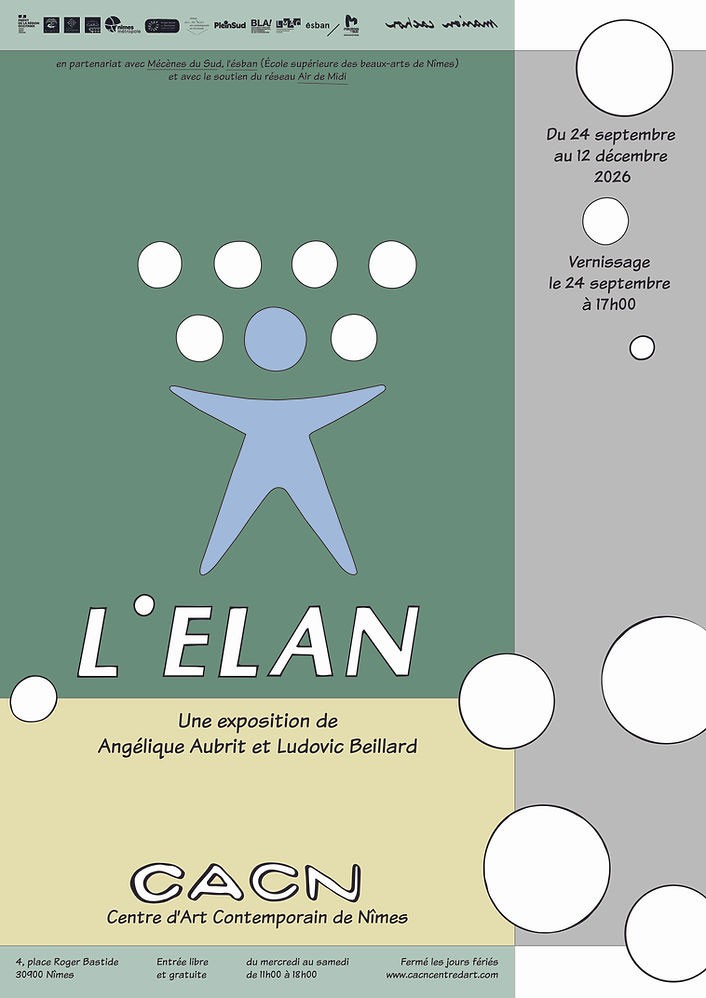
A new exhibition by Angélique Aubrit and Ludovic Beillard, conceived as a new chapter in their vast project Une solitude vraiment terrible. Since the economic system came to a halt on 22 June 2025 and money and property ceased to hold any value, humans have gradually abandoned the major cities, making way for other species. L’Élan is a centre for awakening where six stone martens attempt to establish new forms of exchange and invent a new language.
Since 2021, Angélique Aubrit and Ludovic Beillard have developed a collaborative practice spanning sculpture, installation, video, performance and drawing. Their works feature characters that are both familiar and strange, embodied by sculptural costumes that blur the boundaries between the living and the inanimate, theatre and the visual arts.
Le Grenier à sel
-
Avignon
Dé)jouer les mondes
→
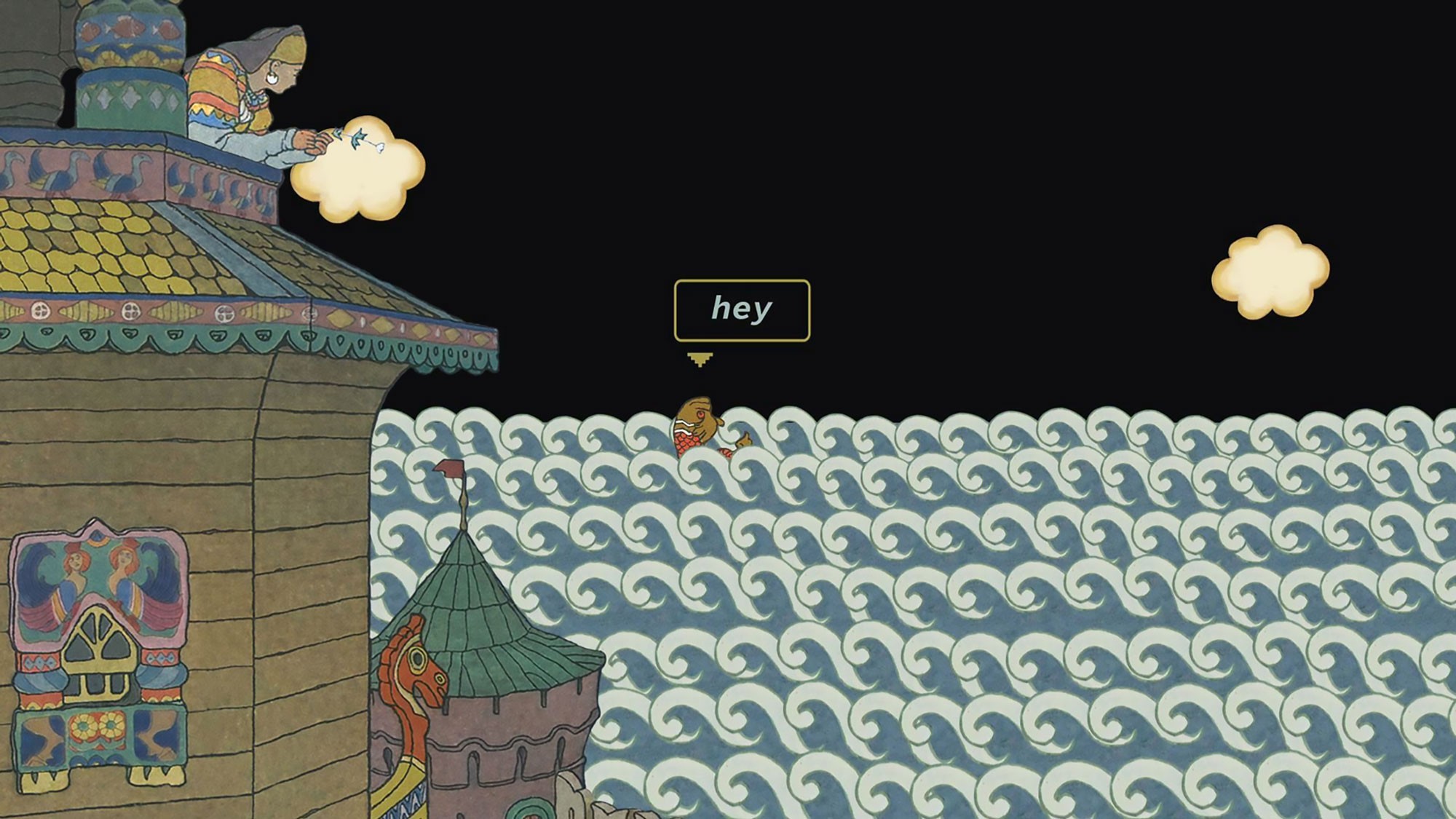
From its very beginnings, the video game has been a space of resistance. Hacked, repurposed and subverted by generations of creators, it carries political, ecological and identity-related concerns that the exhibition brings to the fore. (Dé)jouer les mondes examines rules, bodies, interfaces and virtual spaces to reveal what they say about contemporary modes of representation: power structures, digital extractivism and colonial narratives, but also alternative imaginaries and interspecies alliances.
The exhibition brings together artists from different countries whose hybrid practices span video games, visual art, performance and oral storytelling. In total, some fifteen works, most of them created since 2020, and a monumental installation conceived especially for the occasion reach across continents to create a new map of digital imaginaries of resistance.
Domaine de Panéry - Ceysson & Bénétière
-
Pouzilhac
Voir à travers, Bernard Pagès
→
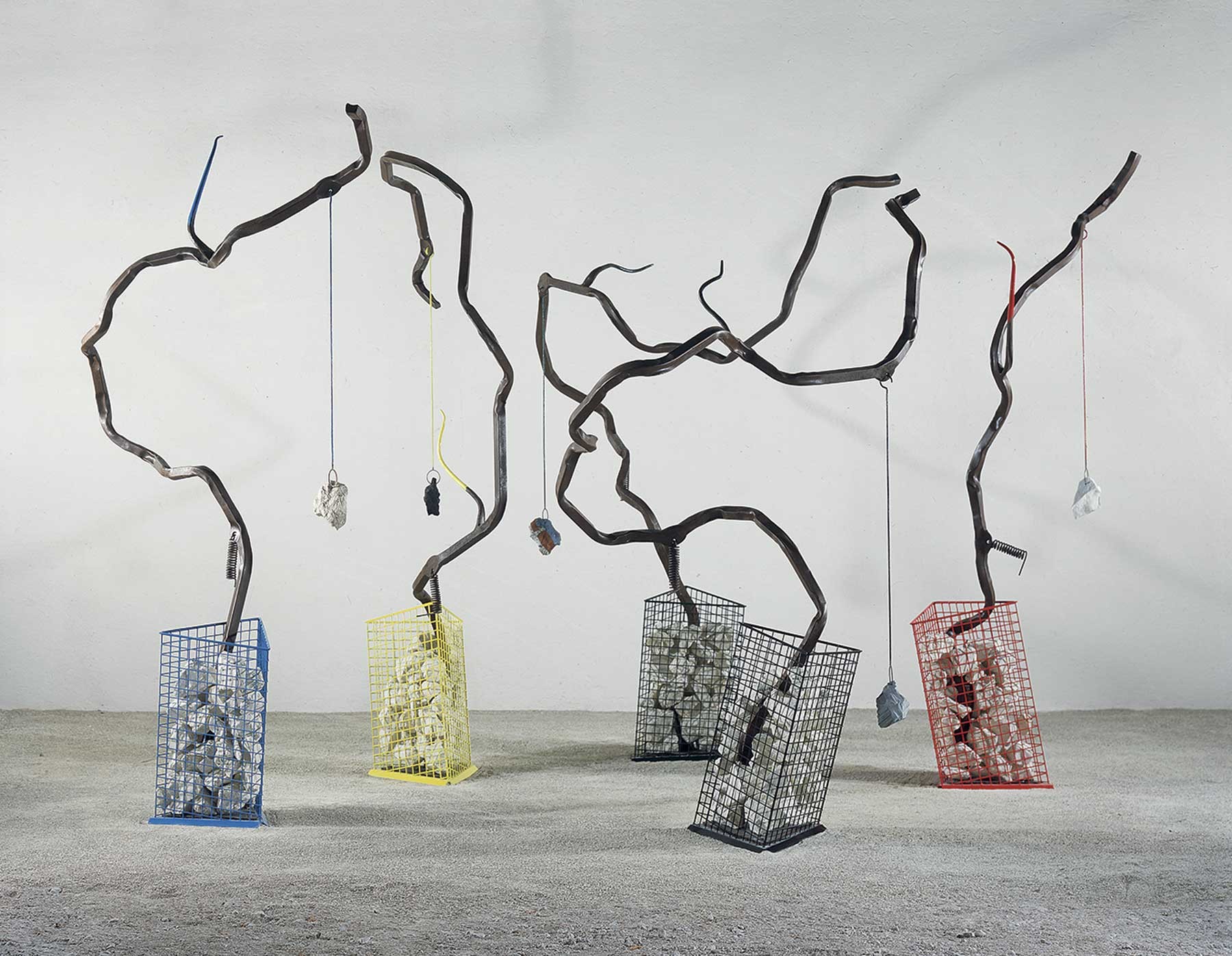
A major figure of abstraction in France, sculptor Bernard Pagès presents a group of works in which stone, metal, and raw materials come together in simple yet tense balances. Between gesture, weight, and gravity, his forms engage with space a discreet poetry of matter.
Fondation Villa Datris
-
L’Isle-sur-la-Sorgue
Méditerranée, odyssées contemporaines
→
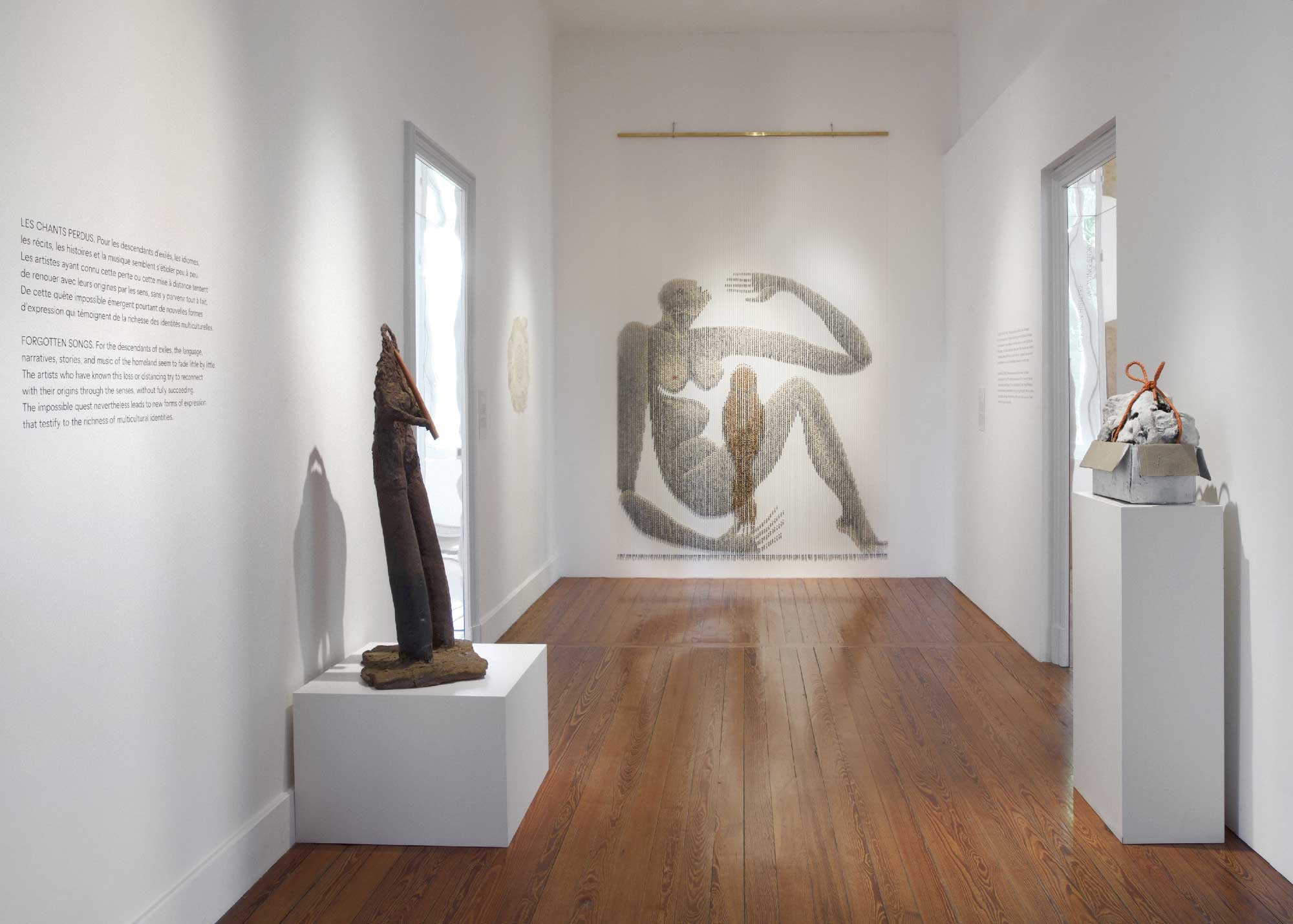
A sea of crossings and exchange, the Mediterranean carries memories of journeys and intertwined cultures, but also exile and loss. For centuries, people have crossed it seeking refuge and dignity.
In 2026, the Fondation Villa Datris gathers 74 artists from 20 countries to explore the Mediterranean as a shared territory. Their works address migration, common roots, and today’s challenges: climate change, borders and violence… blending commitment and poetry to celebrate hospitality, solidarity, and hope for an open, human Mediterranean.
Fondation Vincent van Gogh
-
Arles
S U S P E C T S – Van Gogh, Tricksters & Co.
→
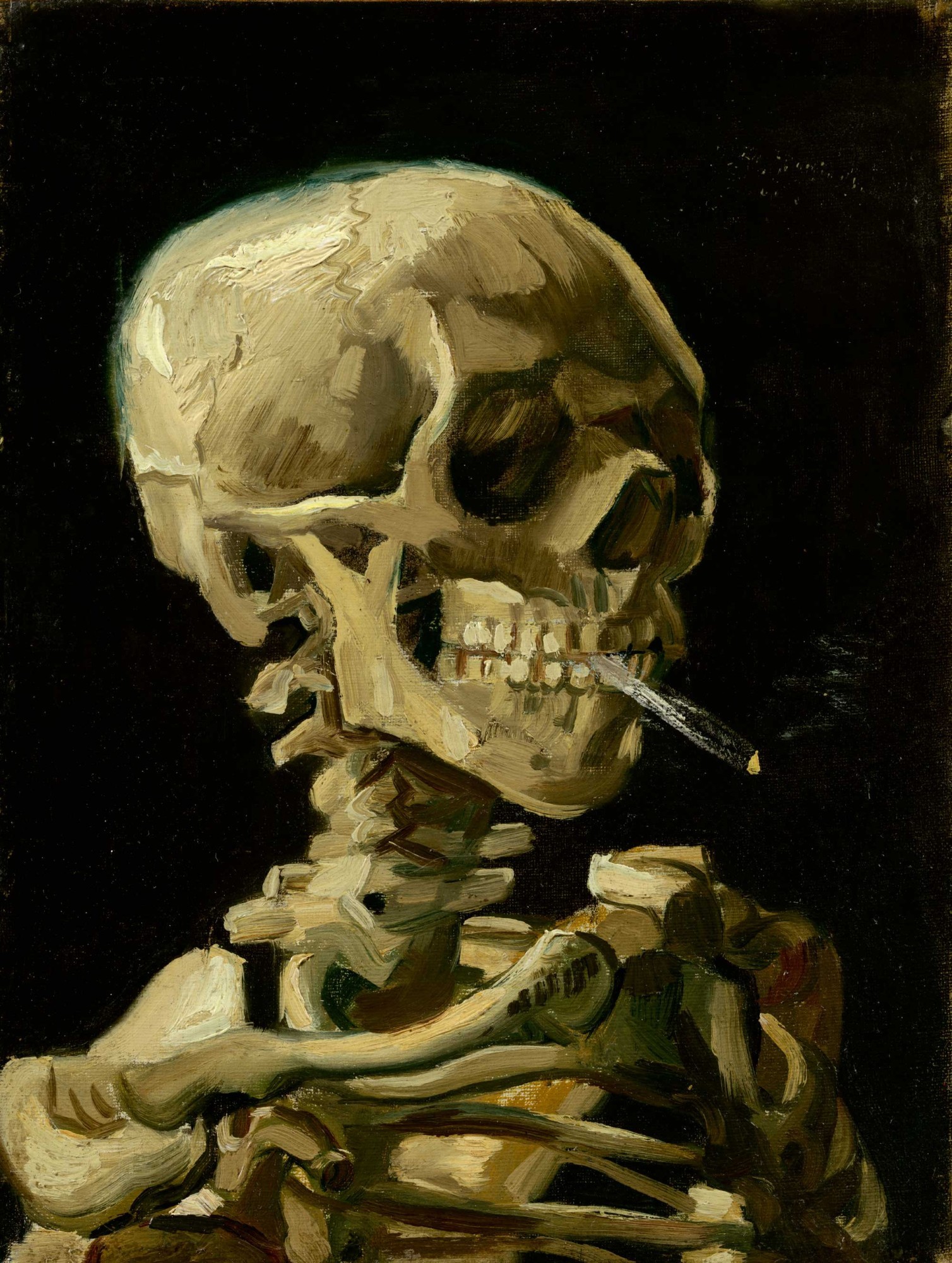
Inspired by the figure of the trickster—the cunning disruptor found in myths across cultures—the exhibition brings together around thirty artists following Van Gogh, from Picasso to the present, including Cindy Sherman and Maurizio Cattelan. Through irony, provocation and excess, their works challenge conventions. All are suspects.
LUMA Arles
-
Arles
CORRESPONDENCES, Soundwalk Collective, Patti Smith
→
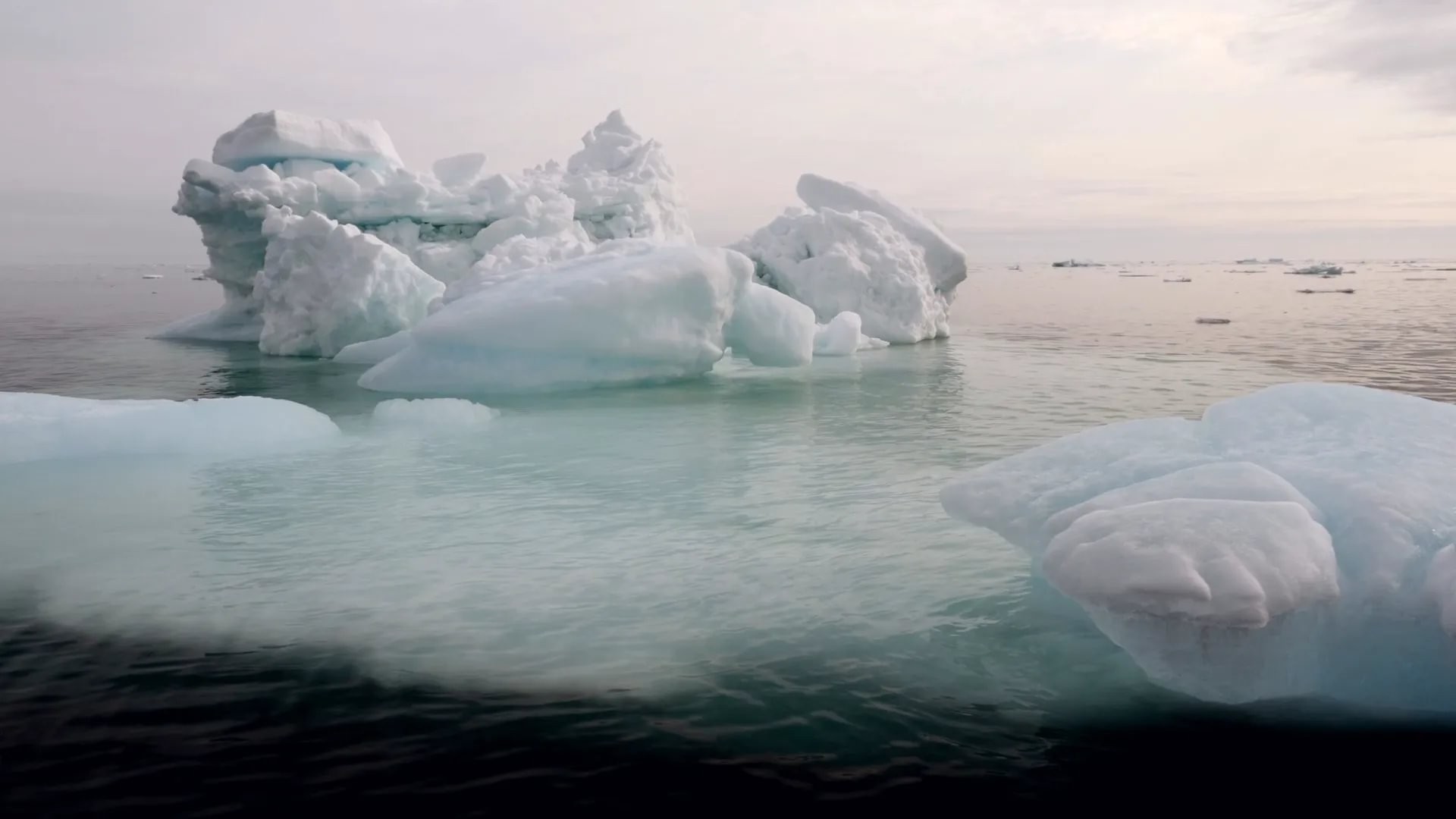
An evolving collaboration between Soundwalk Collective’s Stephan Crasneanscki and Patti Smith, born from a creative dialogue spanning more than a decade. Presented at LUMA Arles as an immersive installation, the project weaves field recordings, moving images and poetry to conjure landscapes shaped by artistic creation, political struggle and ecological fragility.
Collection Lambert
-
Avignon
Écho and Zéphyr
→
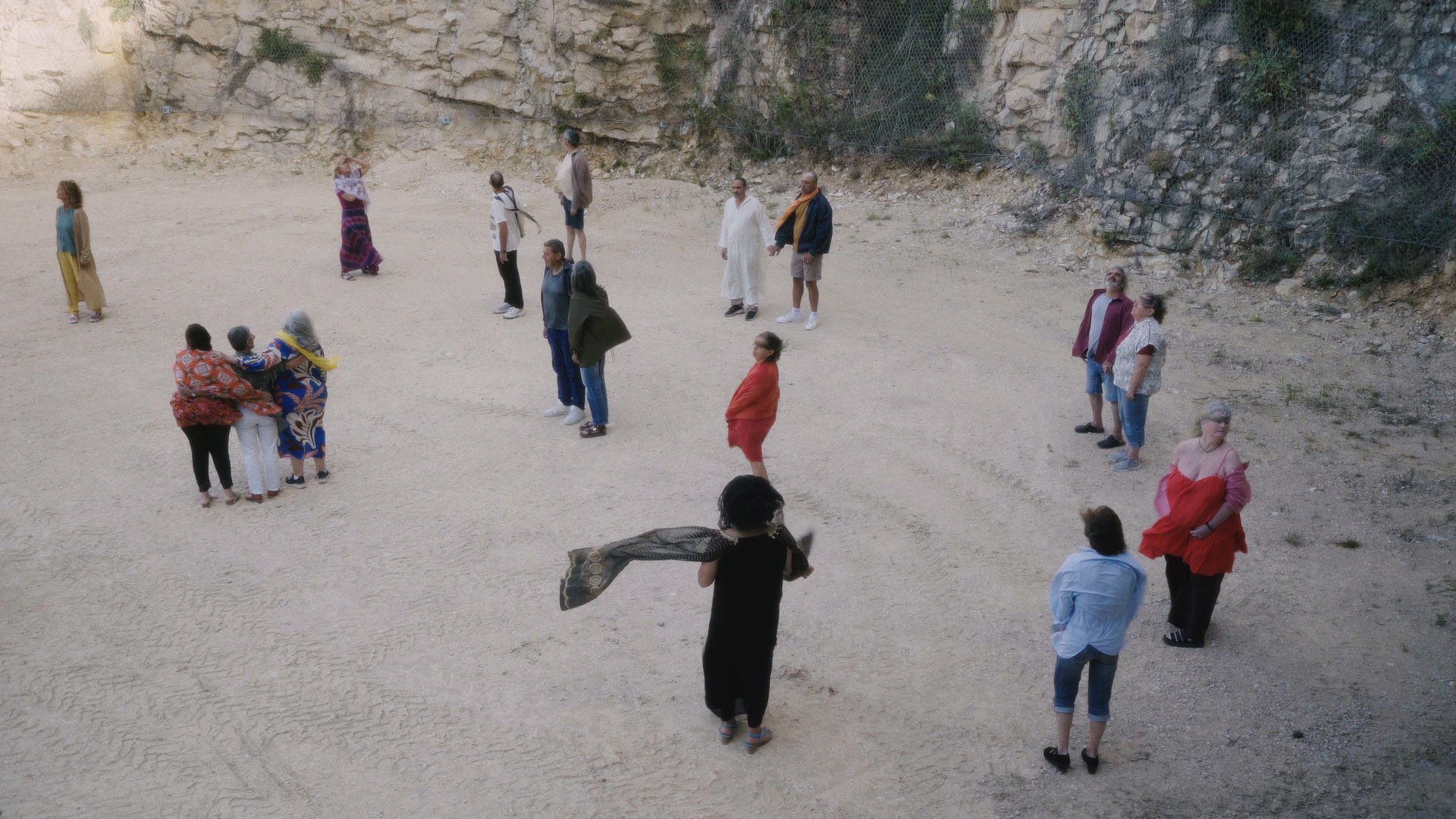
What makes a group? What forms of collective life emerge outside established models? Over several months, artists Émilie Rousset, Louise Hémon and Sarah Maeght worked with residents of pensions de famille, a form of supported housing. Encounters, writing workshops, recorded conversations and time spent in these residences informed a shared research process. Écho and Zéphyr grew out of this experience, driven by the conviction that the margins are not only places of vulnerability, but also spaces of invention.
These two new works — Écho, a text-based installation drawn from twenty hours of conversations recorded in pensions de famille, and Zéphyr, a video installation featuring a group facing the wind — form the starting point for the exhibition project and enter into dialogue with works from the Collection Lambert’s holdings.
Collection Thalie
-
Arles
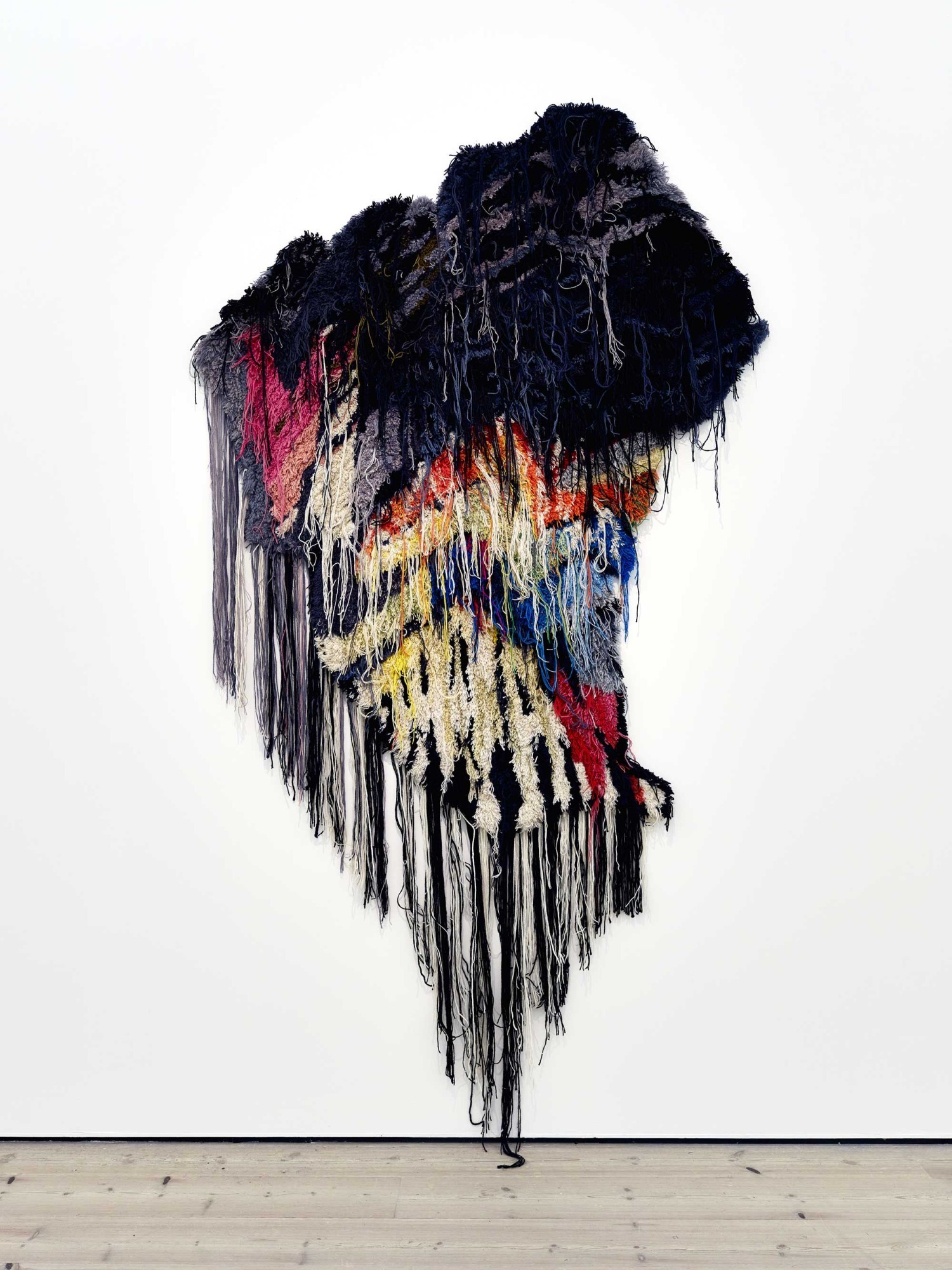
Tisser les Imaginaires
→
This new display of textile-based works resonates with the practice of Leo Orta, the invited designer-in-residence, and with the objects created by ALEOR, a creative studio dedicated to bio-based design.
While the works from the Collection give shape to worlds imagined by artists, ALEOR confronts these narratives with reality. The studio develops investigative methods rooted in the territory — gathering, collecting, observing and experimenting — to bring situated narratives to light. Immersed in the Camargue region, Leo Orta’s work acts here as a true catalyst. He questions the future of certain local crafts, particularly basketry, from which he imagines a collection of artefacts that are both grounded in tradition and open to speculative perspectives. Through these approaches, art and design become tools for critical archiving, transmission and the reactivation of knowledge.
Artists: Majd Abdel Hamid, Caroline Achaintre, Amina Agueznay, Cathryn Boch, Ange Dakouo, Edith Dekyndt, Pauline Guerrier, Sheila Hicks, Ilanit Illouz, Eva Jospin, Asemahle Ntlonti, Junko Oki, Lucy + Jorge Orta, Elisa Peroi, Simone Pheulpin, Kustaa Saksi, Sidival Fila, Kiki Smith, Georges Tony Stoll, Françoise Vanneraud and Rosana Escobar, Diana Scherer, Max Funkat. Guest designer: Leo Orta.
Opening reception on July 6, from 7:00 PM to 9:00 PM (by invitation only).
Fonds Bustamante
-
Arles
En Miroirs
→
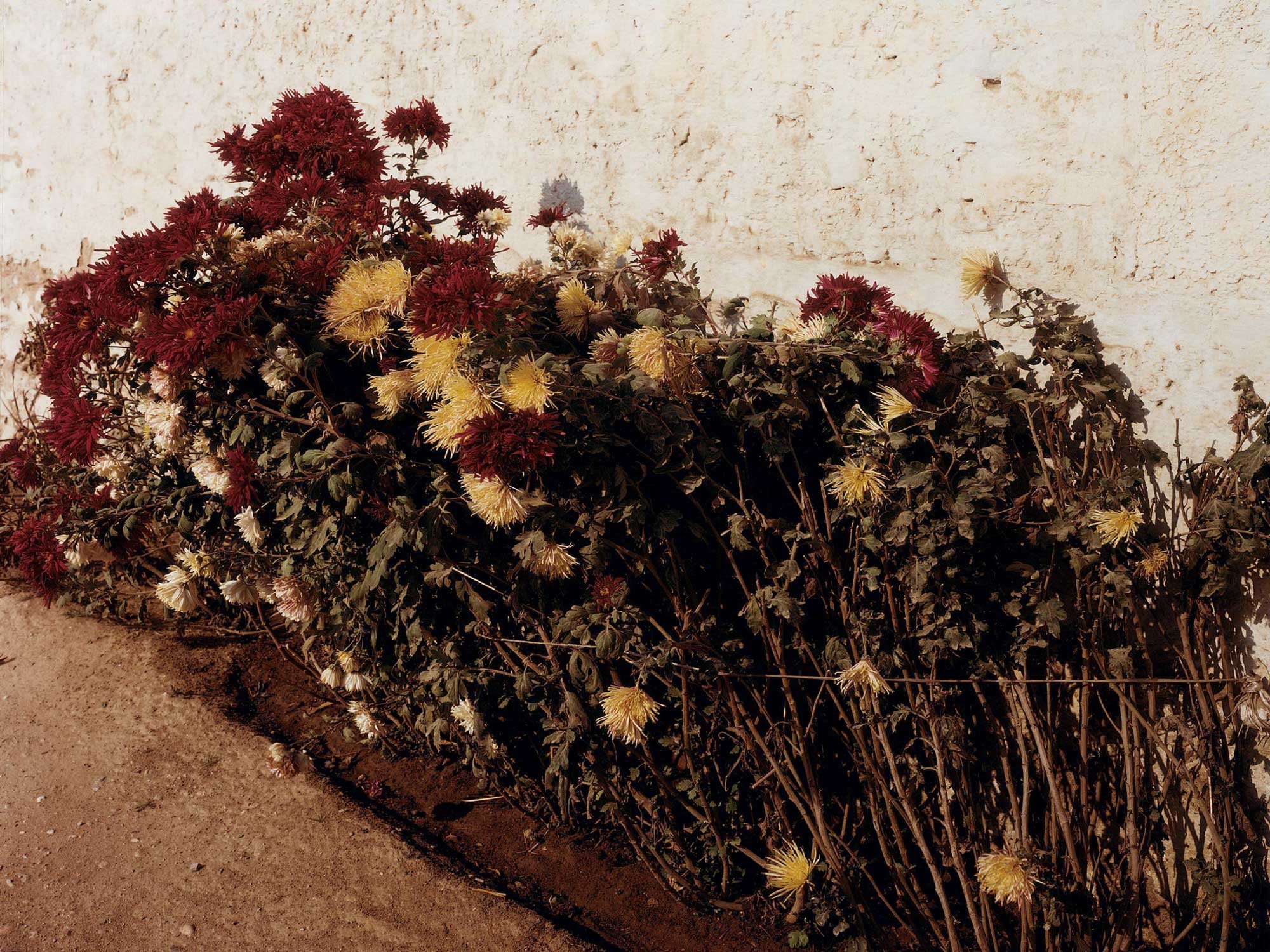
Conceived by Jean-Marc Bustamante for the opening of the Bustamante Foundation in Arles,En miroirs inaugurates the exhibition programme through a presentation designed as a space of correspondences, revealing the affinities and dialogues connecting these artists, works, and ideas. Bringing together painting, sculpture, photography, drawing, and installation, the exhibition features artists selected by Jean-Marc Bustamante among those who have shaped his artistic, intellectual, and emotional journey.
From Cristina Iglesias to Rémy Zaugg, from Jan Vercruysse to Thomas Schütte, and from Reinhard Mucha to Rodney Graham, the works explore themes such as memory, language, space, architecture, and perception. Like a film’s closing credits, the exhibition brings forth a community of presences that traces a sensitive cartography of artistic relationships beyond generational and cultural boundaries.
Carré d'Art - Musée d'art contemporain
-
Nîmes
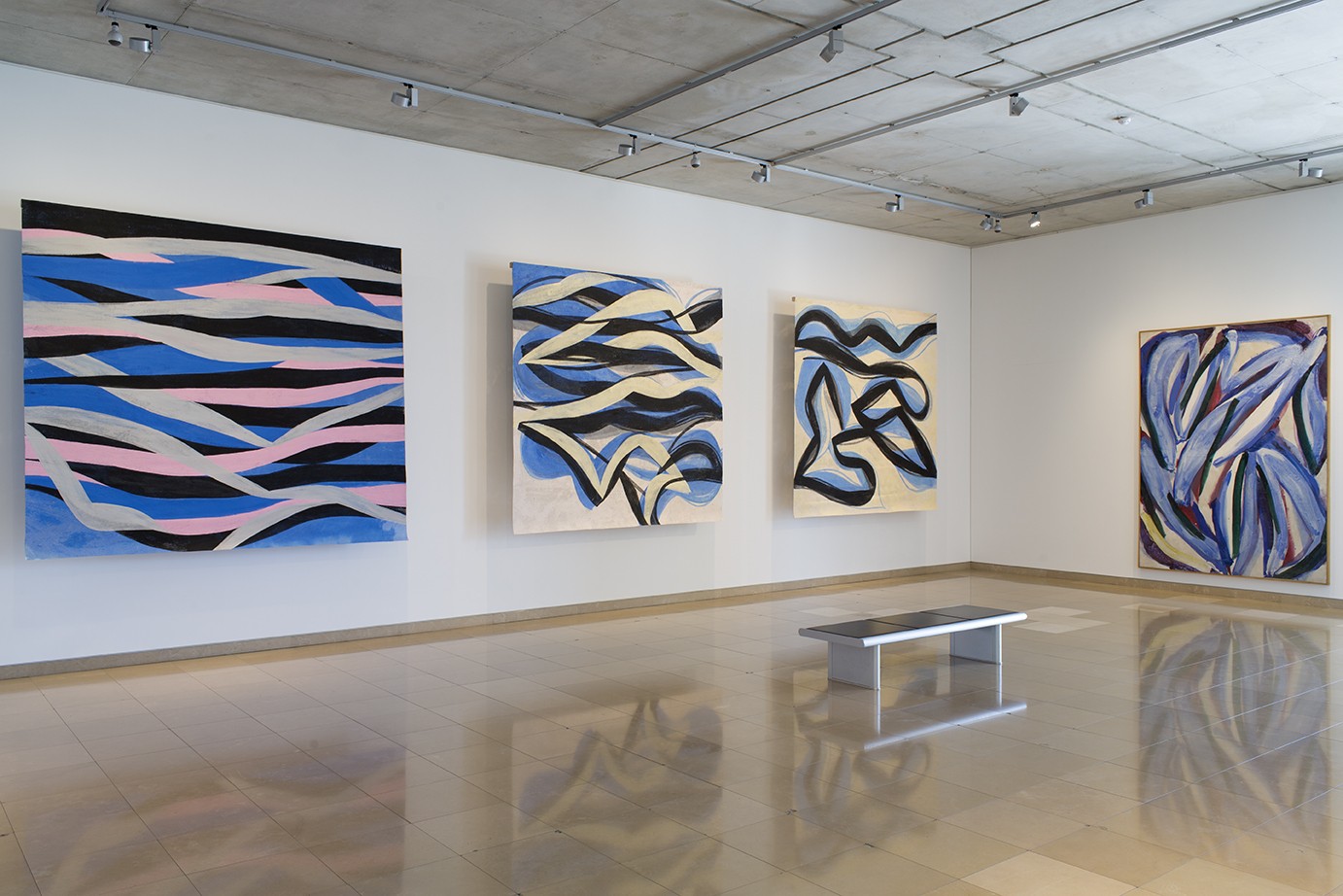
New Collection Display
→
Built up since 1986, the museum’s collection comprises nearly 700 works dating from 1960 to the present day. Echoing the recent Clément donation, the new display on the floor dedicated to the collection highlights the groups ABC Productions, represented by artists Jean Azémard and Tjeerd Alkema, and Supports/Surfaces. The exhibition continues with an exploration of how painting is made and its many forms of experimentation, from Christopher Wool and Jessica Stockholder to Eugénie Paultre and Albert Oehlen. Finally, the display turns to new generations of artists exploring questions of borders and migration around the Mediterranean basin.