French Riviera
from Nice to Menton

Art itinerary : French Riviera-Monaco

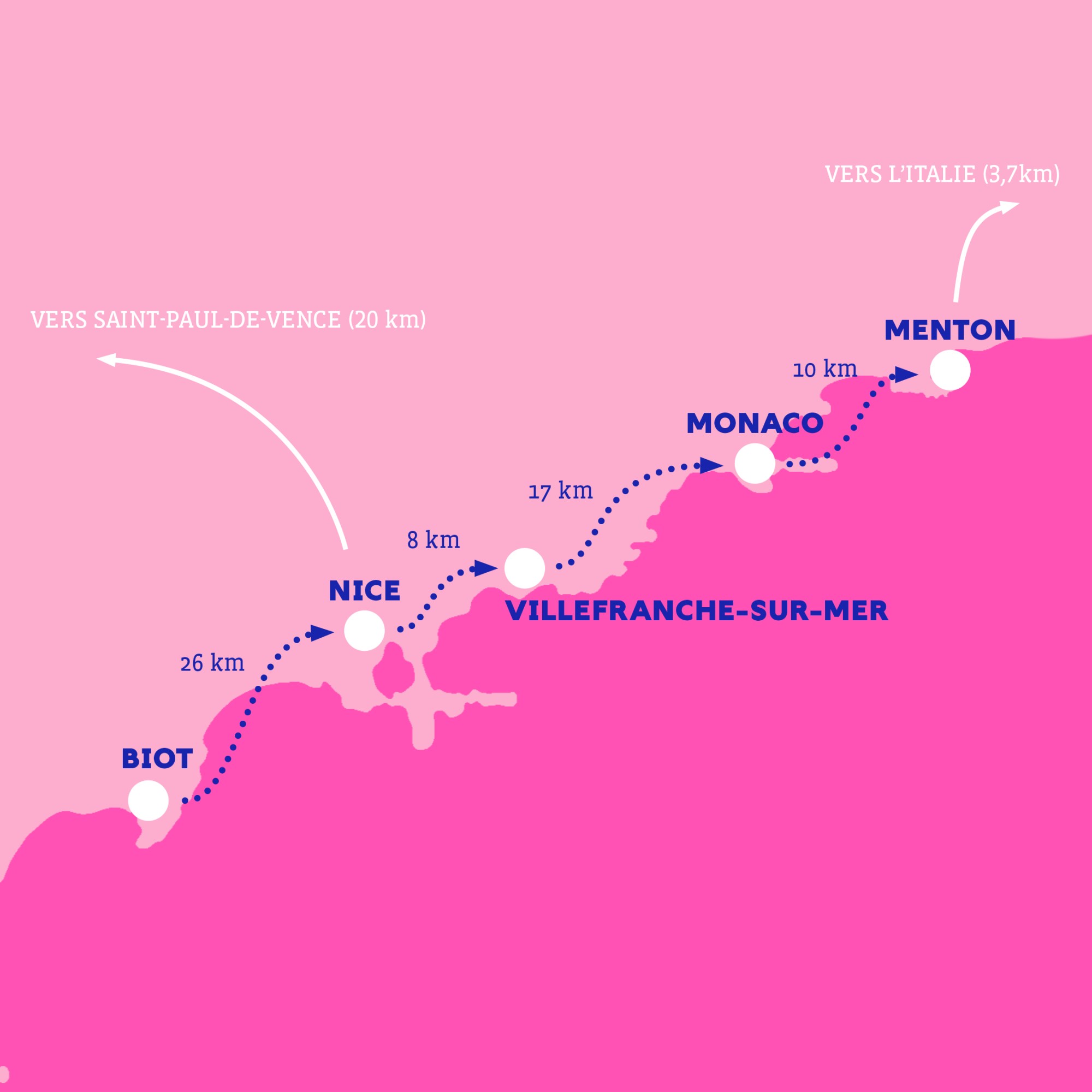
A ten-stop trail of modern and contemporary exhibitions stretching along the Mediterranean coast, from Nice to Menton. Along the way, you’ll encounter the Mediterranean worlds of Matisse and the Roaring Twenties of Coco Chanel, as well as a wealth of sensory dialogues between artists and the sea. The journey also showcases the collections of the three 20th-century national museums of the Alpes-Maritimes — a vibrant reminder that since the days of Matisse, Picasso and Cocteau, the Côte d’Azur has never ceased to inspire artistic vitality.

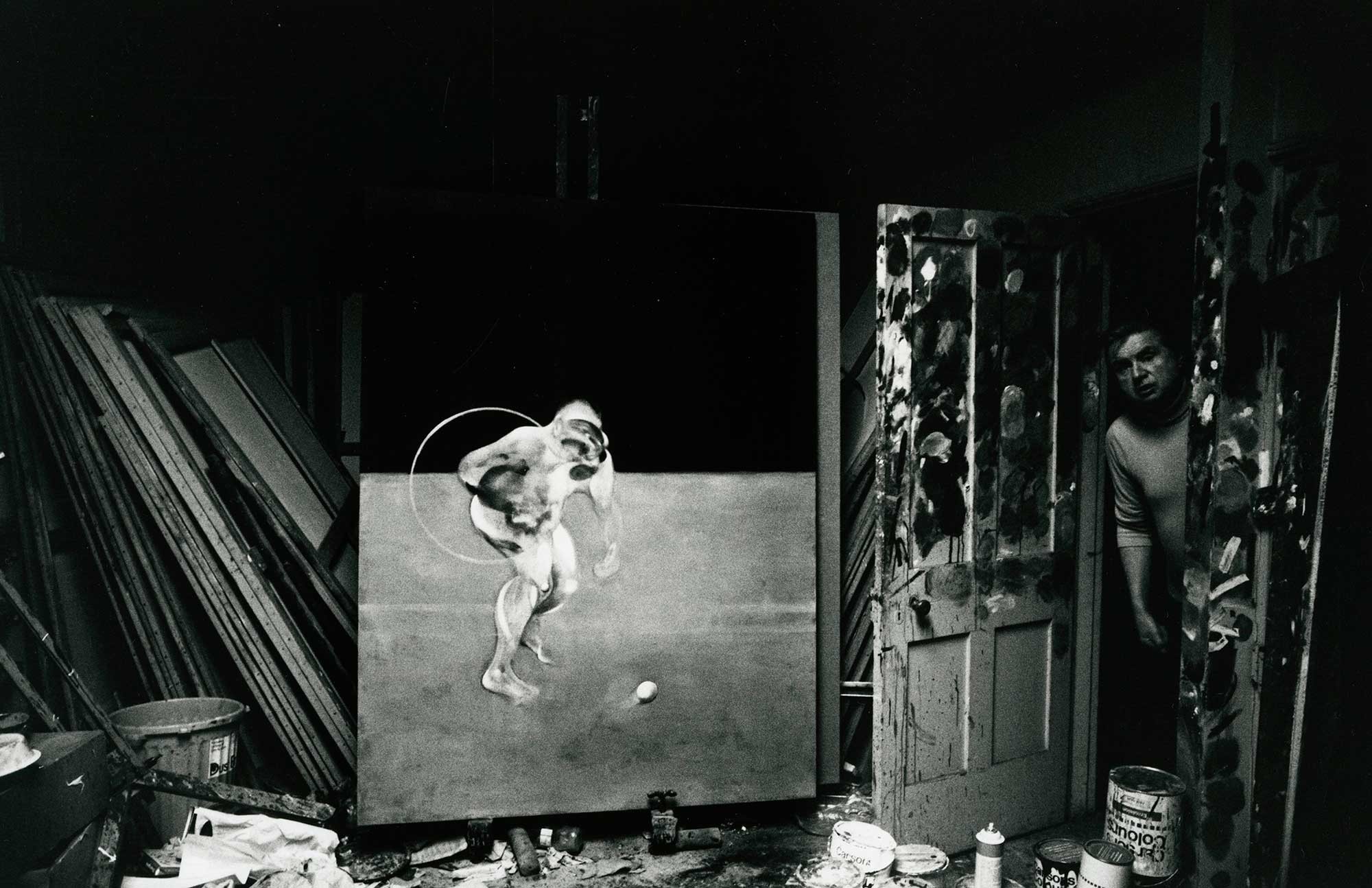
1/11 Francis Bacon MB Art Foundation - Monaco

Francis Bacon: Graphic works of art

This exhibition both examines the tools used to produce Bacon's prints and illuminates the circumstances of the works' creation. Through a selection of lithographs and engravings, it also explores the recurrent themes that nourished the painter's imagination.

2/11 Villa Arson - Nice

Magnanrama

A group exhibition dedicated to Nathalie Magnan, media theorist, filmmaker, cyberfeminist and hacktivist, navigator of seas and internets, who passed away in 2016. Bringing together numerous archival materials and films retracing her journey, and gathering around her artists with whom she collaborated or whose practices extend her own, the exhibition forms a collective biography that sheds light on the contemporary relevance of an important yet still too little-known figure in the history of media, technologies, feminism and LGBTQIA+ struggles. From the 1980s to the 2010s, Nathalie Magnan brought these fields of thought and action into dialogue, and at times into productive collision.

With Nathalie Magnan, Shu Lea Cheang, Cindy Coutant, Chloé Desmoineaux with Bobby Brim and Ada LaNerd, Guerrilla Girls, DeeDee Halleck, Barbara Hammer, Old Boys Network, Paper Tiger TV, Julia Scher, The Yes Men, VNS Matrix.

3/11 Nouveau Musée National de Monaco - Monaco

Le sentiment de la Nature

Venue: Villa Paloma

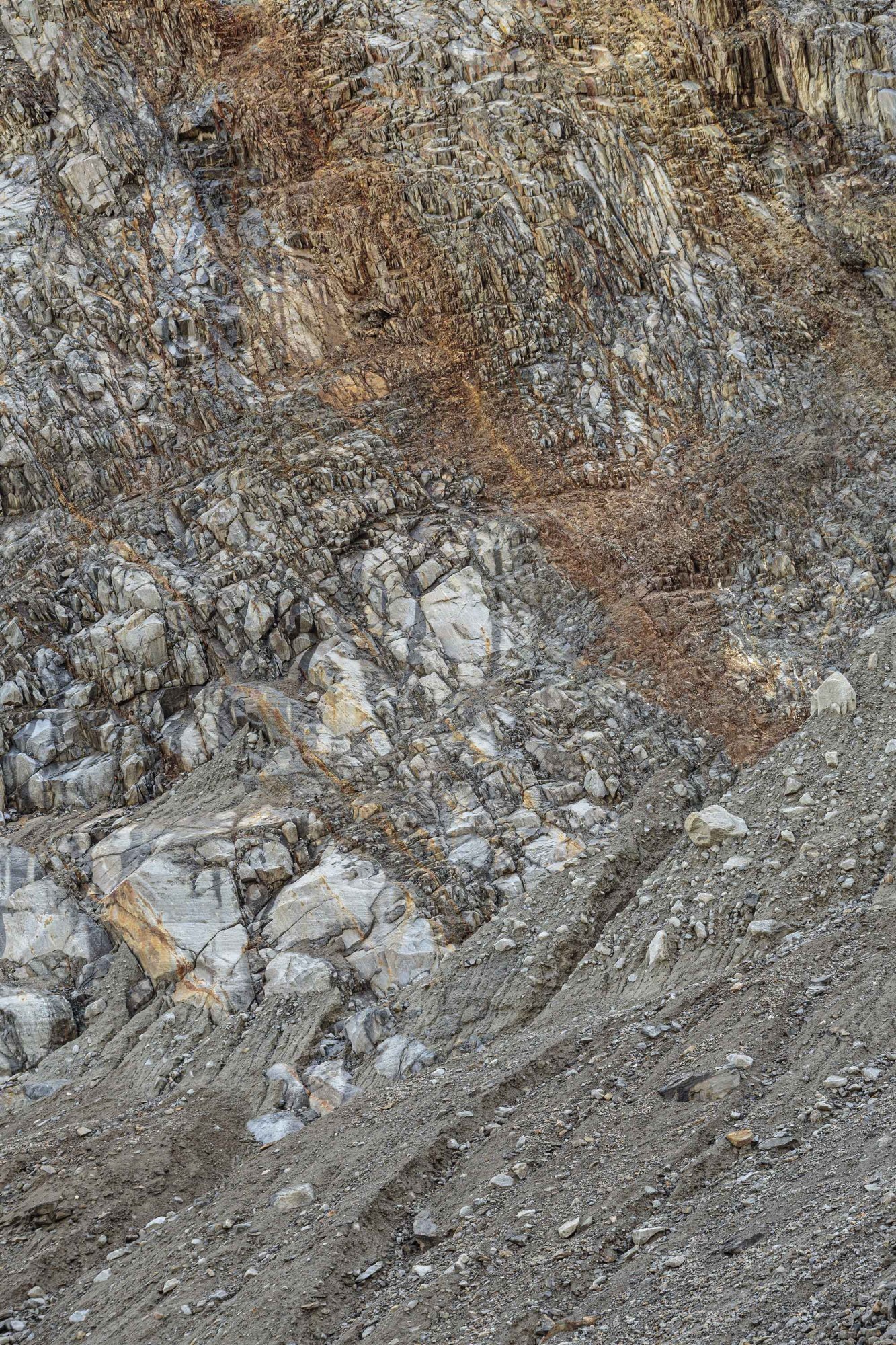
Nicolas Poussin (1594–1665) was the first painter to focus not simply on landscape, but on Nature, which he did with lyricism and increasing sensitivity over the course of his career. Given that Poussin founded a school, something of this ‘feeling for Nature’ was passed on to the generations that followed, for example, in the works of Gaspard Dughet and Claude-Joseph Vernet. But what of today? Although ecological worries are a major concern for our societies, are there any artists who still depict nature elegiacally? It is our aim to show that yes, indeed there are, by bringing together, on each of Villa Paloma’s floors, classical paintings with all manner of contemporary works: sculptures, installations, photographs, videos, films, paintings and drawings. And while these pairings for the most part represent a Franco‑Italian exchange, though not exclusively, they do so as a tribute to Poussin, who, though French, spent most of his career in Rome.

The exhibition is in six sections – Storms and Nights; Forests and Gardens; Seascapes and Waterfalls; Deserts and Volcanoes; Mountains; Flowers and Butterflies – each offering a different perspective on what during Antiquity was called miracula naturae … the marvels of nature.

4/11 Musée National Marc Chagall - Nice

Chagall at work

Following its presentation at the Centre Pompidou in 2023–2024, the exceptional donation made by Marc Chagall’s granddaughters, Meret and Bella Meyer — entered into the collections of the Musée national d’art moderne in 2022-2023 — is exhibited at the Musée national Marc Chagall in 2026. The exhibition unfolds in two parts, from 7 February to 18 May, and from 23 May to 21 September.

The 141 donated works bear witness to the richness and diversity of Marc Chagall’s creative output. The ensemble brings together, on the one hand, forty-one sketches and maquettes produced for the ceiling of the Opéra de Paris, inaugurated in 1964. On the other hand, it includes sixty-four sketches for stage curtains and costumes designed for the ballet The Firebird by Igor Stravinsky, revived by the Ballet Theatre of New York in 1945 with choreography by Adolph Bolm. Finally, twelve ceramics and sculptures, along with twenty-four collages, reveal the artist’s constant curiosity for new techniques and materials, particularly evident between the 1950s and the 1970s.

5/11 Musée Matisse Nice - Nice

The collection

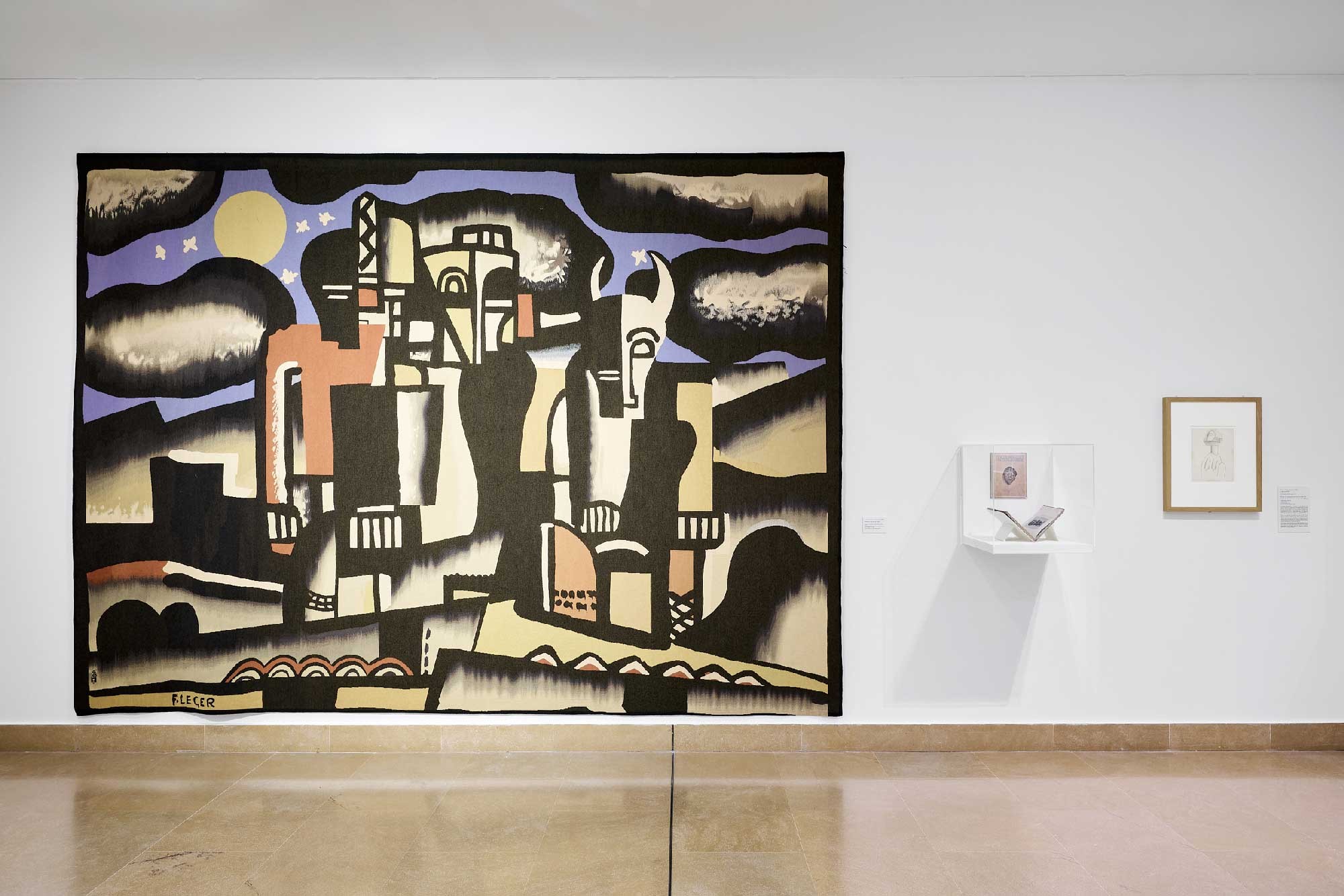
Formed thanks to the generosity of Henri Matisse and his family, the collection of the Musée Matisse Nice brings together works that come directly from the artist’s studio. Paintings, drawings, sculptures, cut-outs, prints and illustrated books make up an exceptional ensemble, offering a comprehensive overview of his work. Also comprising numerous personal objects belonging to Matisse—true models and active protagonists in his art—this collection provides a close insight into his creative process and the breadth of his aesthetic experimentation.

A chrono-thematic display, spread over four levels, illustrates the diversity of the works and highlights recent acquisitions, including Nature morte à la statuette africaine (Still Life with African Statuette, 1907), and the deposit by the Centre national des arts plastiques of four aquatints from the late 1940s.

6/11 Musées de Menton - Menton

Portraits, self-portraits - Jean Cocteau and his friends

Venue: musée Jean Cocteau le Bastion

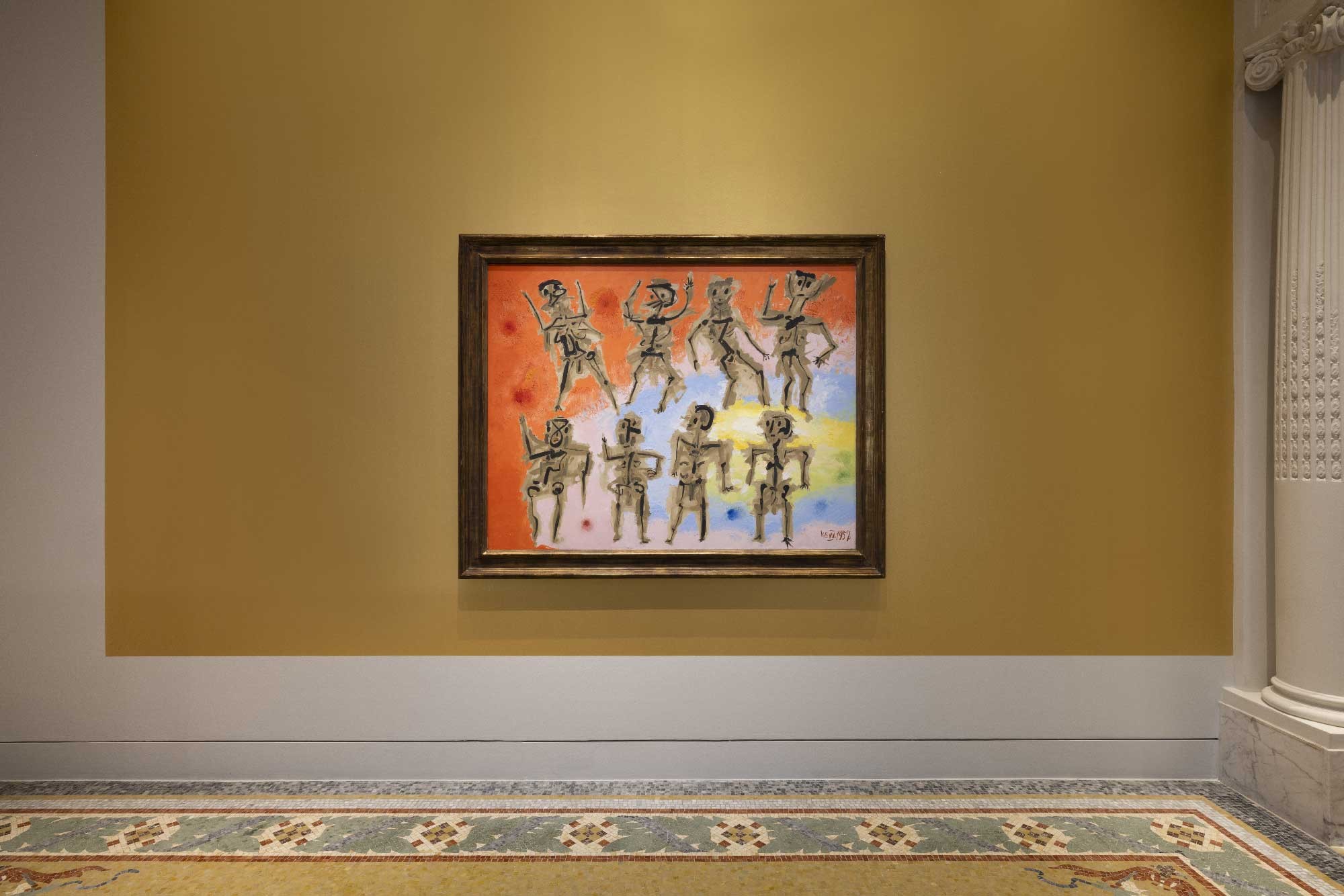
The portraits of Jean Cocteau’s friends stand alongside his celebrated self-portraits. The Prince of Poets appears through the eyes of his peers, in elegant likenesses that show him young, at the dawn of his twenties. In artistic Montmartre, he moves among the creative circles of his time and sits for leading figures such as Modigliani and Picasso.

The Séverin Wunderman collection also brings together photographs by Philippe Halsman and Irving Penn, as well as a silkscreen by Andy Warhol produced in 1985 for the opening of the museum in Irvine. Warhol acknowledged the profound influence the poet had on his life and work. Among the major works held by the museum is Self-Portrait Without a Face, shown alongside portraits of Cocteau’s close circle: Picasso, Raymond Radiguet, Christian Bérard, and Yul Brynner.

The exhibition unfolds across four sections: Self-Portraits, Sacred Monsters, Dancers and Writers, and Musicians.

7/11 La Citadelle – Centre d’art & Musée - Villefranche-sur-mer

Arne Quinze and Joana Vasconcelos - The Absurd and the Dream

The Belgian sculptor Arne Quinze invites Portuguese artist Joana Vasconcelos to join him in creating an extraordinary body of work, exploring the poetic, the surreal and the unexpected.

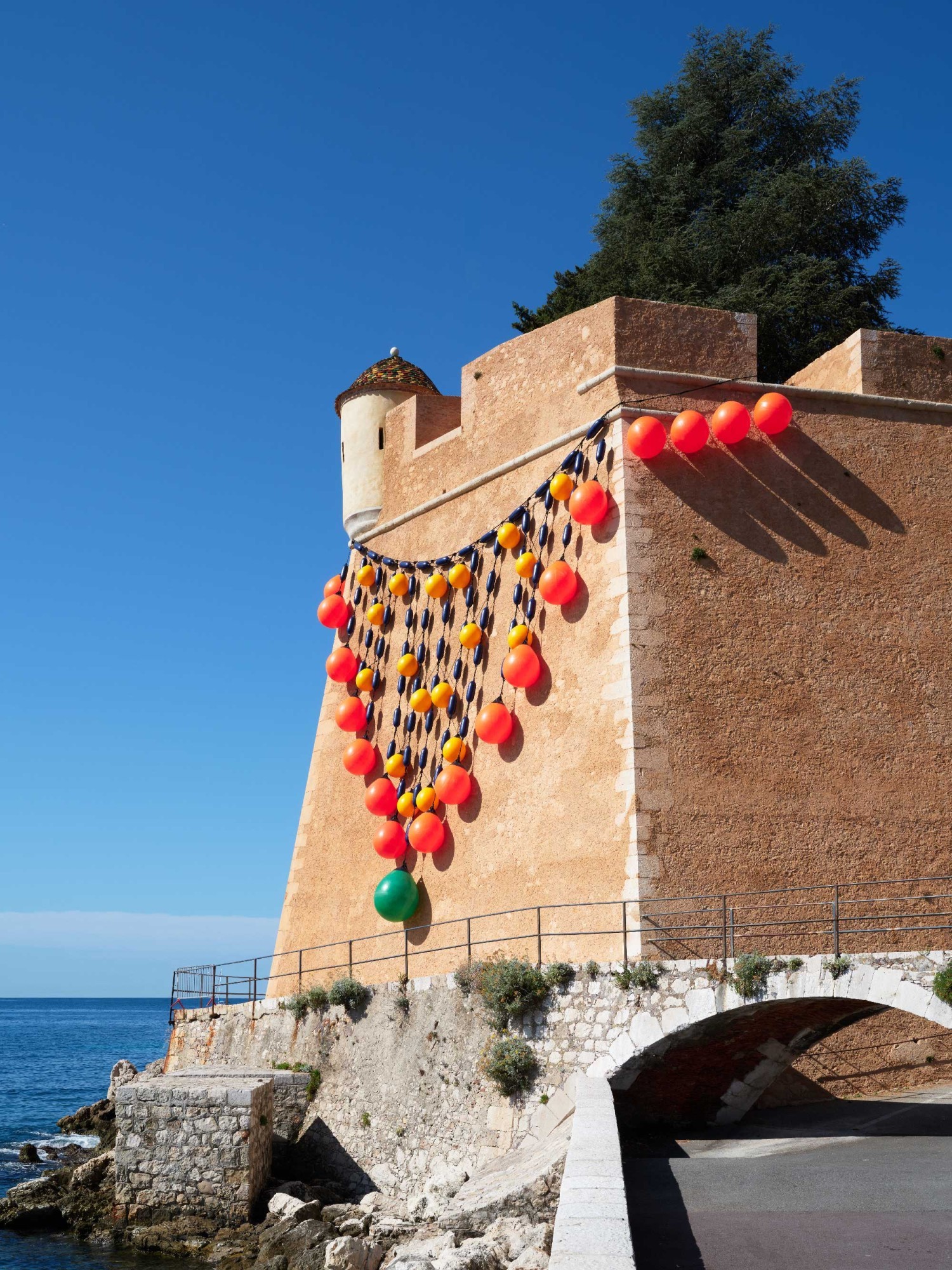
In the spirit of Jean Cocteau — whose legacy is deeply rooted in Villefranche-sur-Mer — the exhibition encourages visitors to rediscover surrealism and dreamlike thinking as essential lenses through which to reflect on the growing distance between contemporary culture and nature. A loss and a form of alienation that Quinze views as profoundly harmful.

Spreading throughout the Citadel, the exhibition unfolds through monumental outdoor installations alongside more intimate indoor environments. It offers Quinze and Vasconcelos a unique space for expression, allowing them to shape a singular and immersive narrative.

8/11 Musées de Menton - Menton

Les jardins enchantés de Jean Cocteau

Venue: Galerie des musées - Palais de l’Europe

In Menton, the Villa and Gardens of Les Colombières, designed by Ferdinand Bac, are closely connected to the poetic universe of Jean Cocteau, who was introduced to drawing by his friend. Drawing on the Séverin Wunderman collection from the Jean Cocteau Museum, the exhibition explores the central role of vegetation in the artist’s imagination. In Cocteau’s visual works as well as in his films, nature is never a mere backdrop: it becomes a strange, animated presence, revealing the mystery of the living world and the porous boundary between human beings and their environment.

This dreamlike dimension finds its fullest expression in Beauty and the Beast (1946), where the Beast’s domain is transformed into an enchanted garden inhabited by vegetal and organic forms in perpetual metamorphosis. In his drawings, Cocteau also populates nature with fantastical creatures and mythological figures, giving rise to a personal mythology that is poetic and sometimes tinged with humour. The exhibition unfolds across four thematic sections: floral and friendly correspondences, revisited myths, dreamlike bestiaries, and Southern gardens, where the Mediterranean becomes a figure of the living world.
9/11 La Station : Artist Run Space - Nice

Through the Keyhole

Conceived as a carte blanche for the Collectif DdD, the exhibition brings together six artists from the emerging contemporary drawing scene—Alix Le Boucher, Héloïse Farago, Jules Boillot, Lila Vignot, Paul Lemaitre, and Evan Barbedette—to create a shared landscape.

Like a cabinet of curiosities, the exhibition gathers singular drawing practices discovered through the Francophone fanzine scene and scattered across different territories. Whether depicting medieval scenes, drawing from video games, or introducing elements of the domestic into the exhibition space, the works presented are as much drawings as they are invitations to immerse ourselves within them.

10/11 Villa Arson - Nice

Hito Steyerl - Mechanical Kurds

Through a video installation blending fiction, documentary and critical speculation, the German artist explores invisible chains of micro-labour, the geopolitics of images, and the mechanisms of delegation that shape so-called “autonomous” technologies. By reactivating the figure of the “Mechanical Turk” in the age of digital platforms, Hito Steyerl sheds light on the bodies, territories and conflicts concealed behind the making of AI.

Hito Steyerl (born in 1966 in Munich) is a German artist, filmmaker and theorist whose work examines the relationships between images, power and contemporary technologies. Trained in documentary filmmaking and philosophy, she has, since the 2000s, developed a practice that combines visual essay, video installation and critical speculation. Her work investigates the circulation of images in the digital age, automation, the militarisation of technologies, and the invisible infrastructures that shape perception.

11/11 La Station : Artist Run Space - Nice

Tomorrow, tomorrow

“One day, soon, tomorrow, everything will change shape”
Drawing on these few words by Victor Hugo, the SUPER ISSUE collective draws on its divinatory talents to offer its own vision of the future (!)—that eternal object of fantasy whose substance never ceases to shift in response to societal, scientific, and climatic transformations, to name but a few… When it comes to exhibitions, SUPER ISSUE extends this dynamic of openness by regularly inviting artists from outside the core collective.

SUPER ISSUE is a collective of visual artists that produces fanzines, artists’ books, screen prints, and other artistic objects in all possible forms, operating in a fully independent and self-funded manner. On the editorial side, each edition is printed in a very limited run and hand-numbered. The collective is based in Nice, but the artists it publishes come from all over France and beyond.