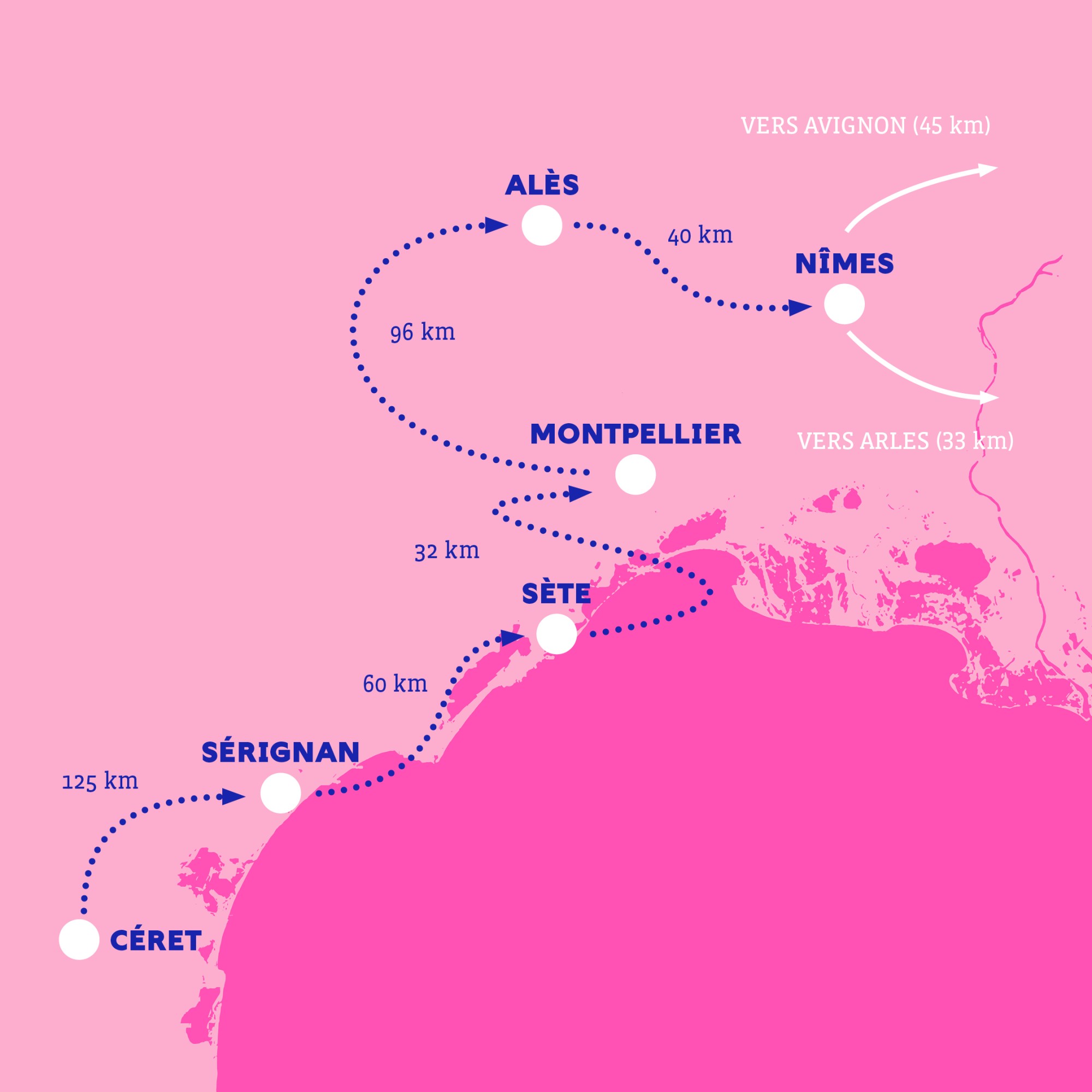
Musée d’art moderne de Céret
-
Céret
Picabia Méditerranée - Picasso, Delaunay, Laurencin...
→
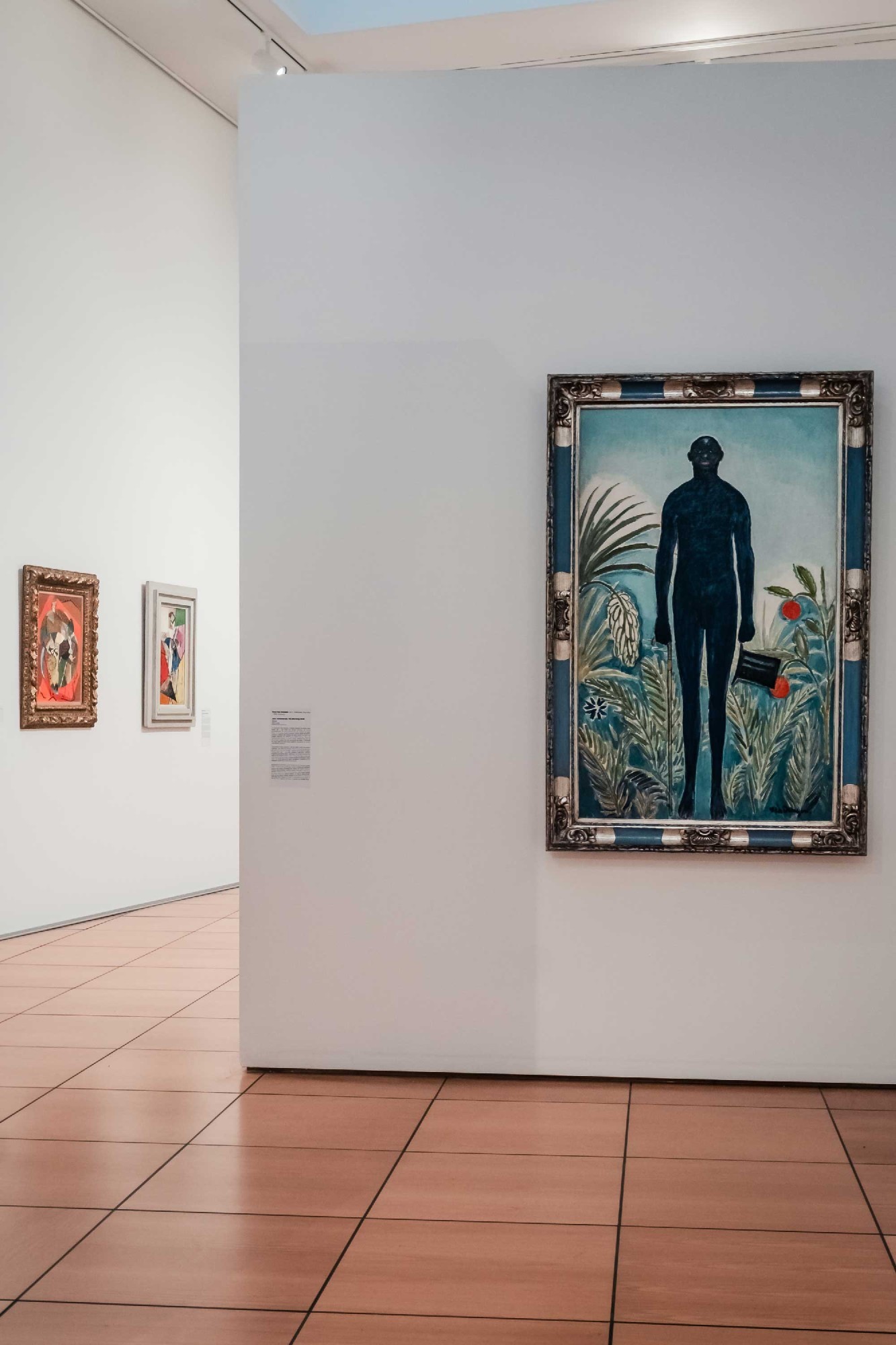
A major figure in international artistic circles, Francis Picabia (1879–1953) played a key role in the history of the early 20th-century avant-gardes. In the 1910s and 1920s, shaped by his travels between New York and Barcelona, the artist developed a visual language that was as bold as it was irreverent. The exhibition at the Musée d’Art Moderne de Céret retraces his career from a fresh perspective, highlighting in particular the influence of Iberian culture on his work and on that of his contemporaries.
Bringing together nearly one hundred works by Picabia and by artists from his New York and Catalan circles — from Marcel and Suzanne Duchamp to Albert Gleizes and Juliette Roche, from Robert and Sonia Delaunay to Kees van Dongen, Marie Laurencin, Natalia Goncharova and Pablo Picasso — the exhibition benefits from the support of leading institutions in France and Spain, through exceptional loans from the Musée de l’Orangerie, the Centre Pompidou, the Prince’s Palace of Monaco, the Museo Reina Sofía, the Museo Nacional Thyssen-Bornemisza, as well as the Picasso Museums in Paris and Barcelona.
CACN – Centre d’Art Contemporain de Nîmes
-
Nîmes
L'Elan
→
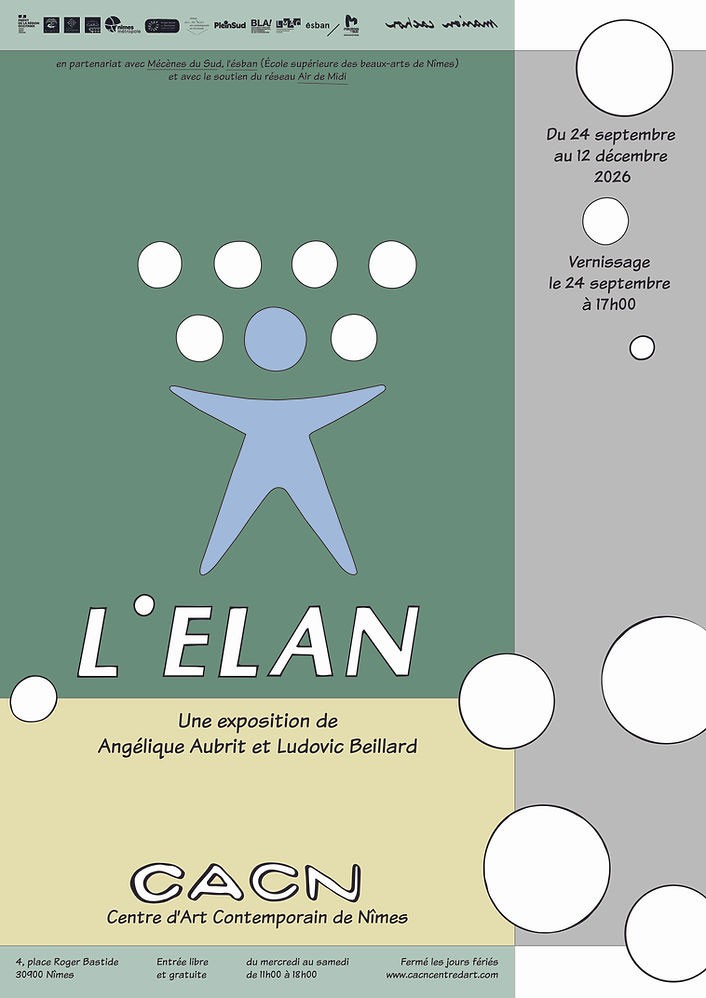
A new exhibition by Angélique Aubrit and Ludovic Beillard, conceived as a new chapter in their vast project Une solitude vraiment terrible. Since the economic system came to a halt on 22 June 2025 and money and property ceased to hold any value, humans have gradually abandoned the major cities, making way for other species. L’Élan is a centre for awakening where six stone martens attempt to establish new forms of exchange and invent a new language.
Since 2021, Angélique Aubrit and Ludovic Beillard have developed a collaborative practice spanning sculpture, installation, video, performance and drawing. Their works feature characters that are both familiar and strange, embodied by sculptural costumes that blur the boundaries between the living and the inanimate, theatre and the visual arts.
Mrac Occitanie
-
Sérignan
Stop The Machine !
→
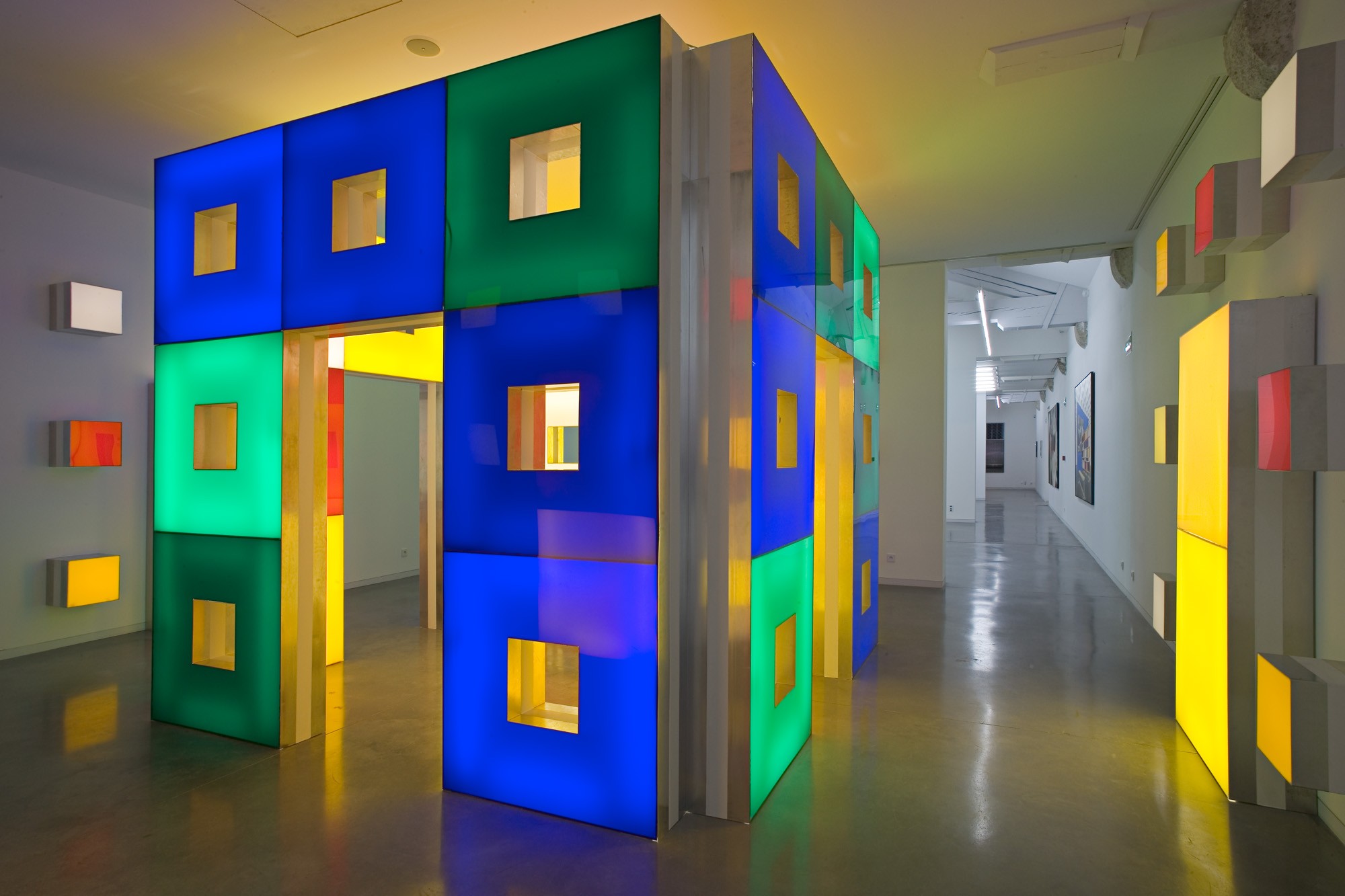
To celebrate its twentieth anniversary, the Musée régional d’art contemporain Occitanie in Sérignan has invited curator Fabrice Bousteau to devise an extraordinarily bold, large-scale exhibition featuring more than 400 works from the Occitanie Region’s three contemporary art collections, spanning 1968 to the present day: Frac Occitanie Montpellier, Frac Occitanie Toulouse – Les Abattoirs and Mrac Occitanie in Sérignan.
Far removed from traditional thematic or chronological exhibitions, Stop The Machine! offers a sensory experience that moves from one colour to the next, from shadow to light, from participation to contemplation. The works of 250 artists enter into dialogue, complementing or confronting one another along a free-flowing, labyrinthine route across eras, practices, generations and origins.
Musée-bibliothèque Pierre André Benoit
-
Alès
Iliazd, poet-architect of the book
→
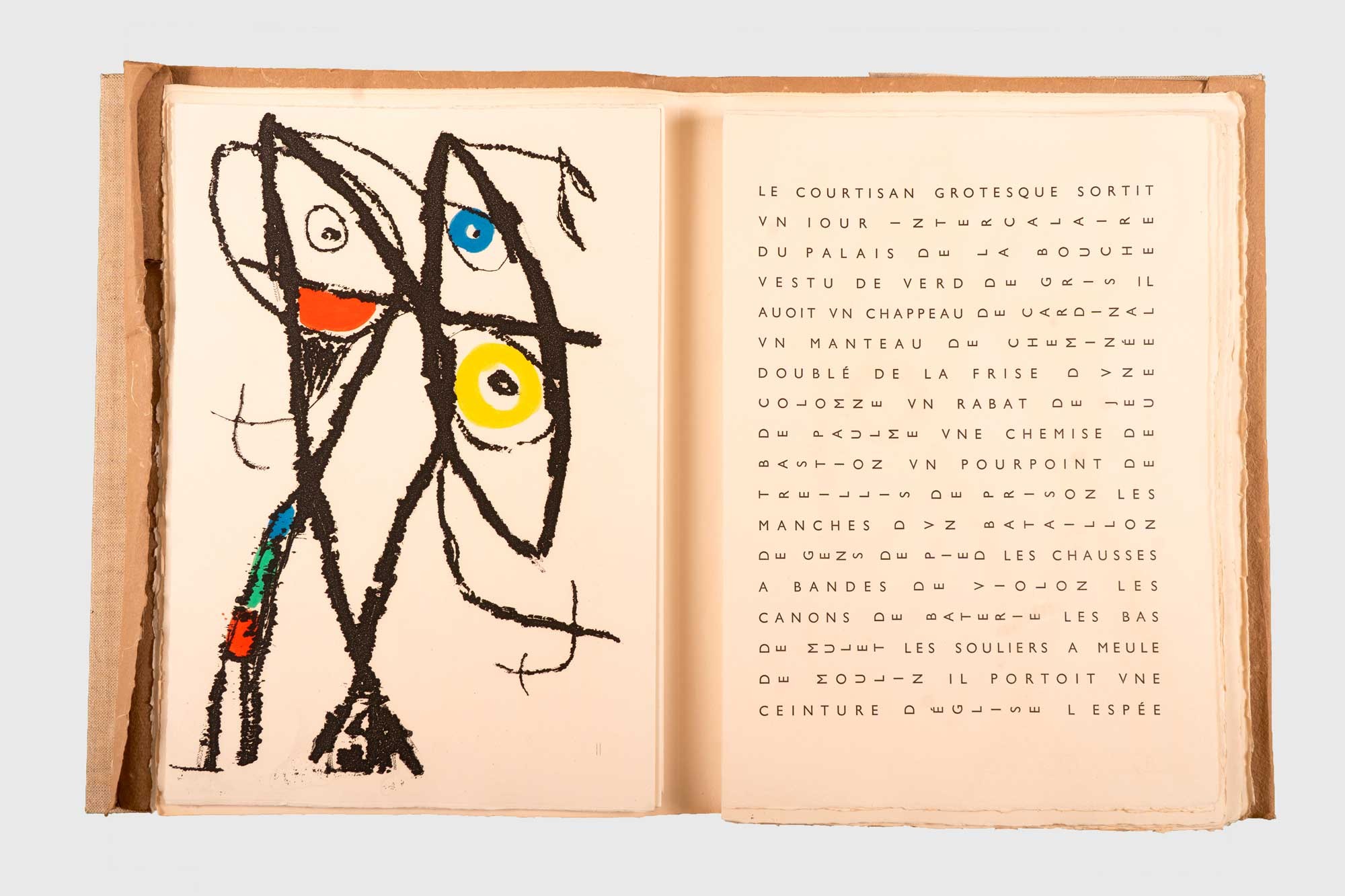
Ilia Zdanevitch, known as Iliazd (1894-1975), is a major figure of the 20th-century avant-garde. A poet and visionary publisher, he left his mark on his era with his creative audacity, redefining the boundaries of typography and the dialogue between text and image. The exhibition highlights his legendary collaborations with giants of modern art, including Pablo Picasso, Max Ernst, and Joan Miró.
Musée International des Arts Modestes (MIAM)
-
Sète
Adrien Fregosi
→
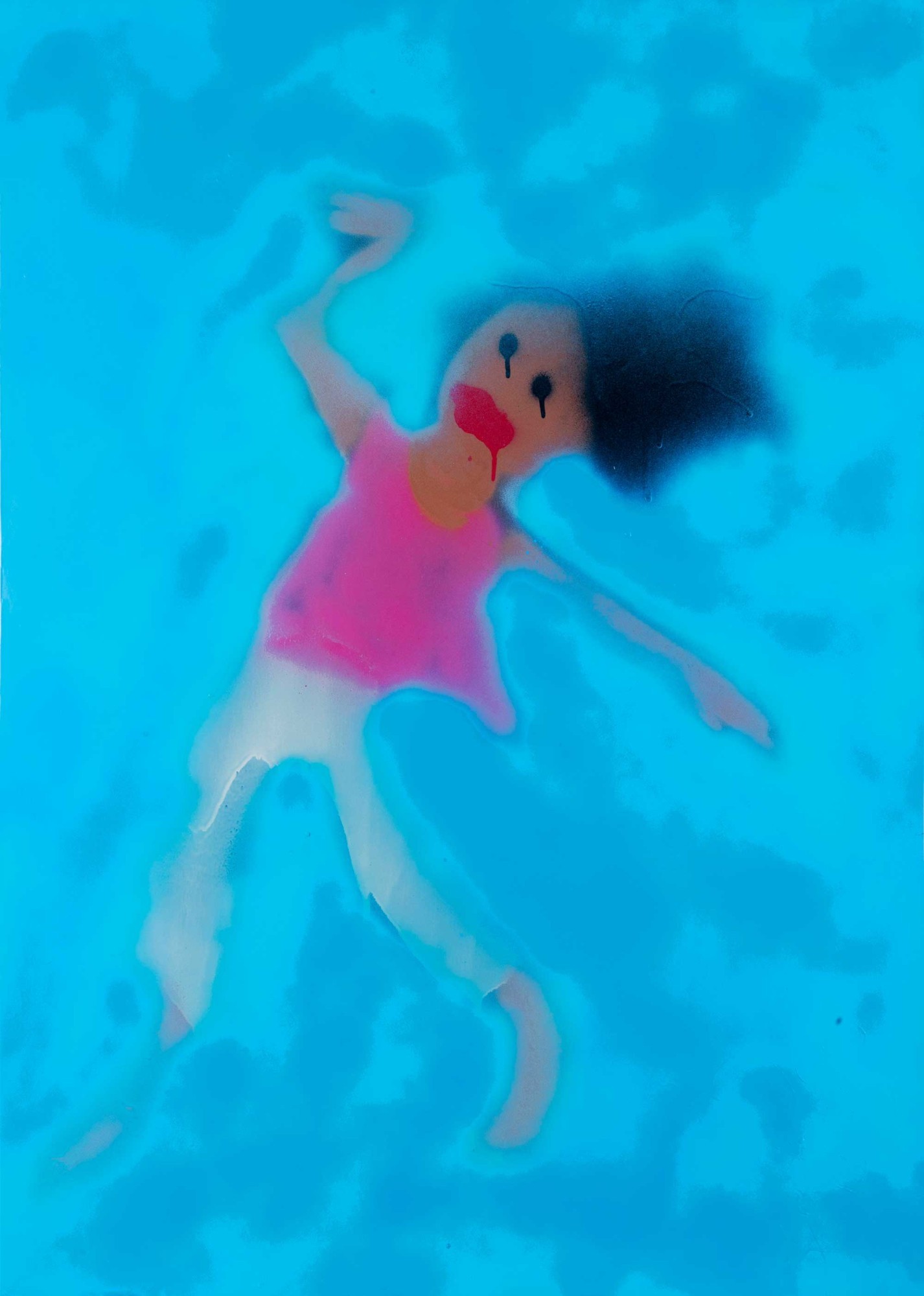
A solo exhibition by Adrien Fregosi (1980–2024), who spent the last ten years in Sète, where he developed a prolific and poetic body of work that is both fragile and powerful, gentle and serious. His works stem from his drawing practice and are influenced by alternative cultures, ranging from graffiti to fanzines.
MO.CO.
-
Montpellier
Being Here | Now | Everywhere, Kiki Smith
→
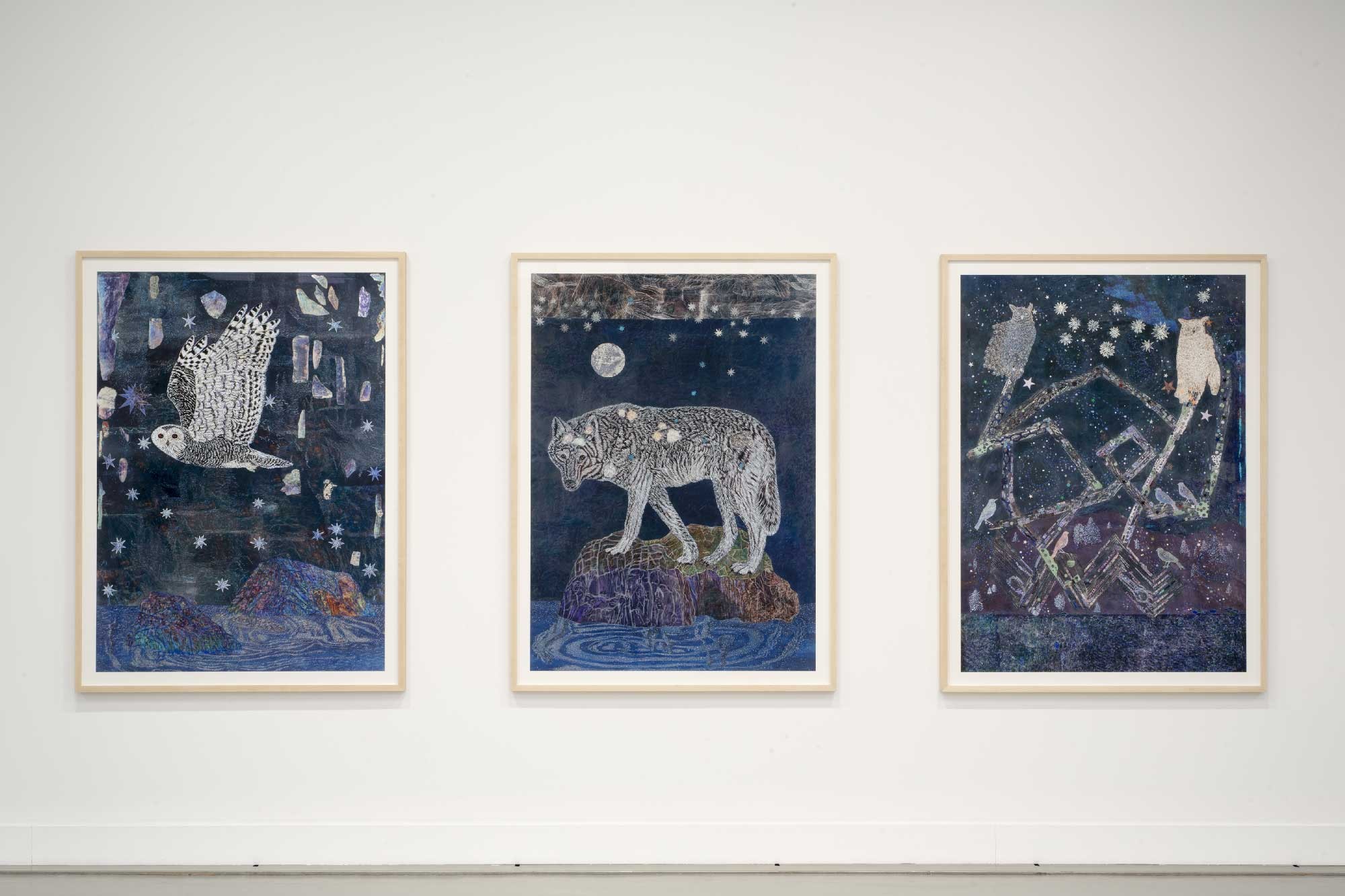
A major figure in contemporary art, Kiki Smith has developed a multidisciplinary practice encompassing sculpture, printmaking, photography, drawing, books, tapestries, and various objects. Her work centres on the body, conceived as a social, spiritual, animal, and celestial entity. The exhibition features more than 100 works spanning over 40 years of production and unfolds as a journey exploring the connections between identity, nature, and spirituality.
Venue: MO.CO, 13 rue de la République, Montpellier
Musée Fabre
-
Montpellier
Design according to Pierre Paulin (1927–2009)
→
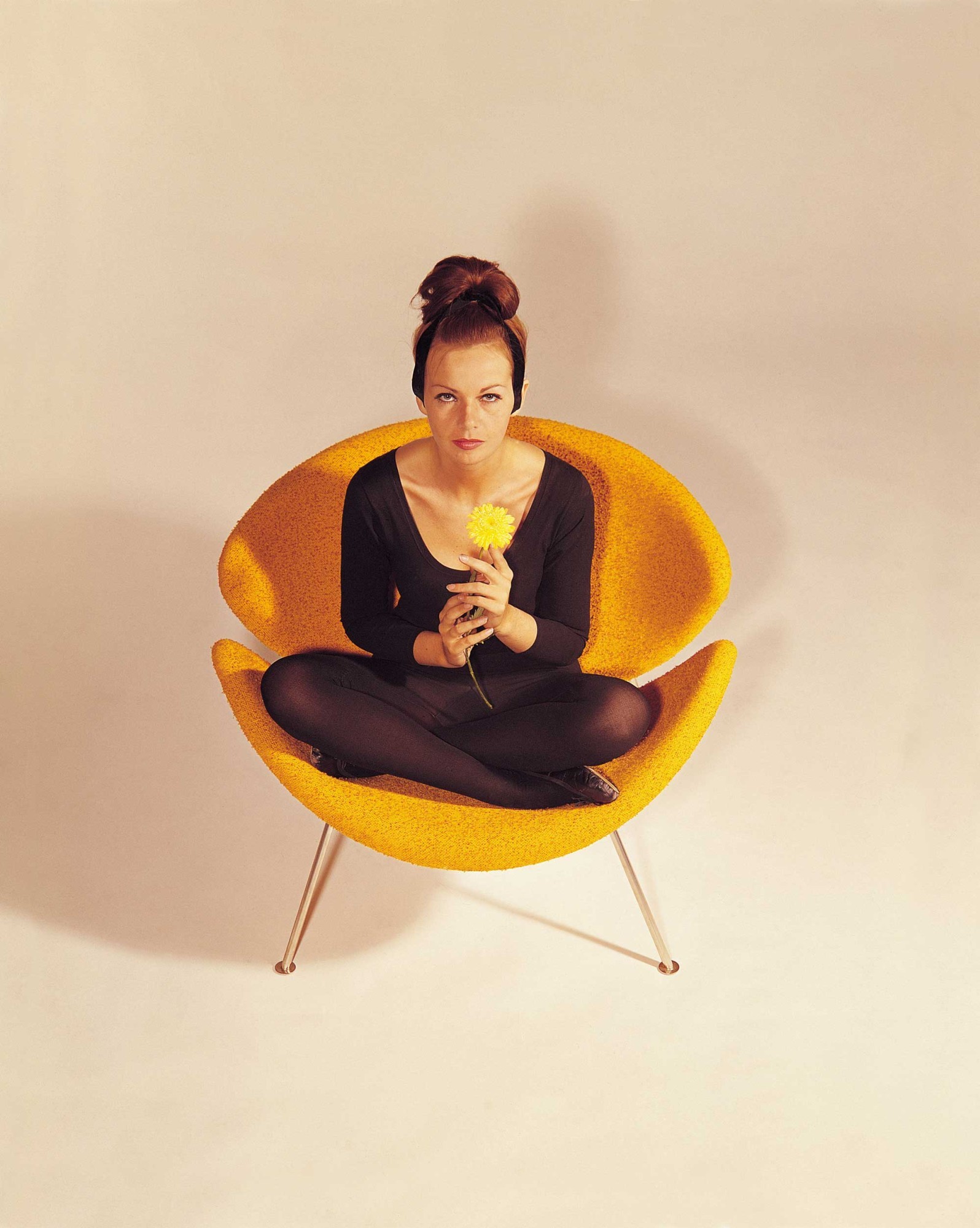
This is the first major design exhibition ever presented at the Musée Fabre. Pierre Paulin — who passed away in Montpellier in 2009 — remains one of the most iconic designers of the 20th century, embodying both the spirit of post-war youth emancipation and design at the highest level of the French state. Two works are being shown exclusively for the exhibition: the Élysée Palace smoking room, specially restored for the occasion, and Vidéo Barnum, an immersive and sensory installation.
The exhibition is organised in partnership with the Fonds Pierre Paulin, the Manufactures nationales Sèvres & Mobilier national and Artifort.
Carré d'Art - Musée d'art contemporain
-
Nîmes
New Collection Display
→
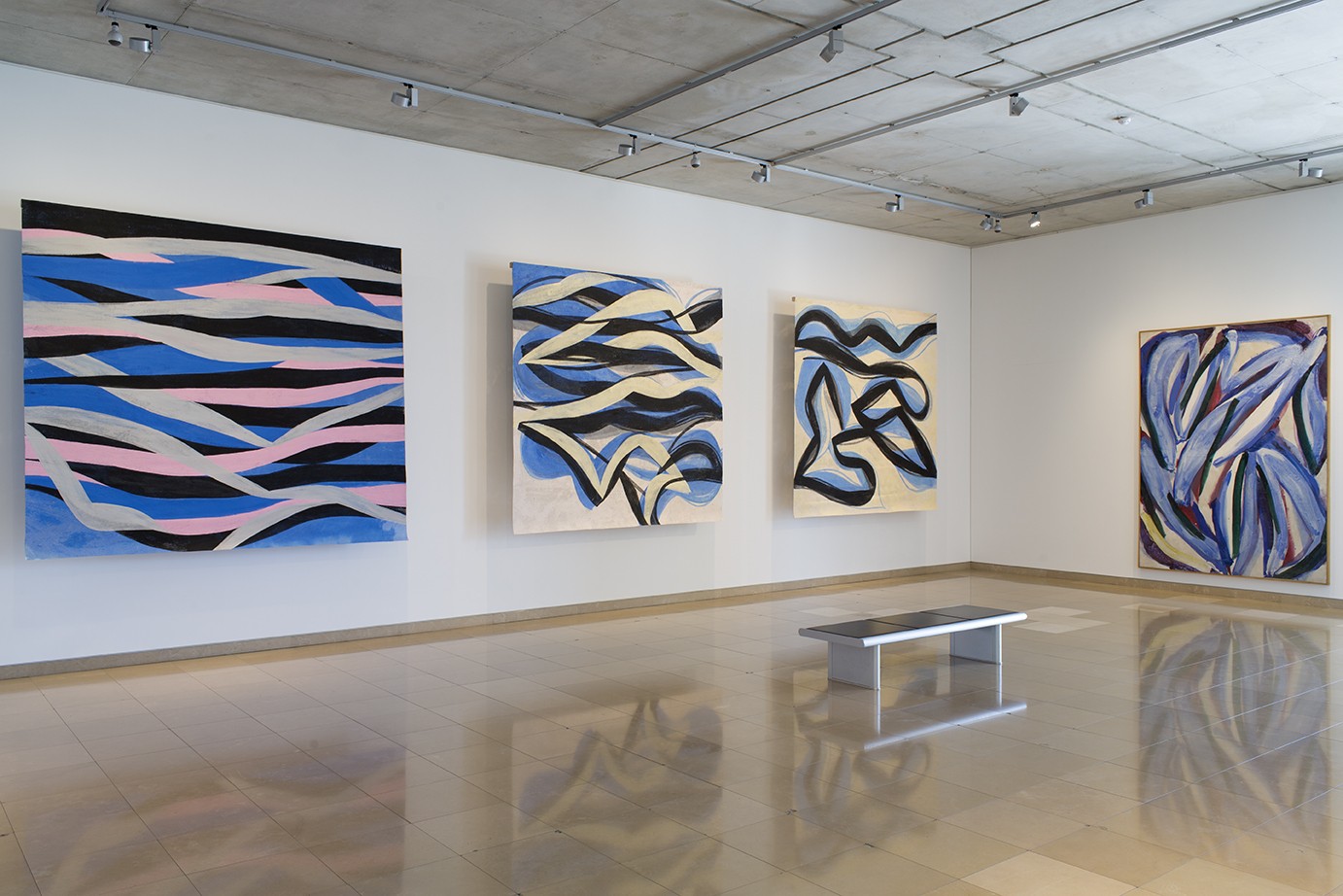
Built up since 1986, the museum’s collection comprises nearly 700 works dating from 1960 to the present day. Echoing the recent Clément donation, the new display on the floor dedicated to the collection highlights the groups ABC Productions, represented by artists Jean Azémard and Tjeerd Alkema, and Supports/Surfaces. The exhibition continues with an exploration of how painting is made and its many forms of experimentation, from Christopher Wool and Jessica Stockholder to Eugénie Paultre and Albert Oehlen. Finally, the display turns to new generations of artists exploring questions of borders and migration around the Mediterranean basin.