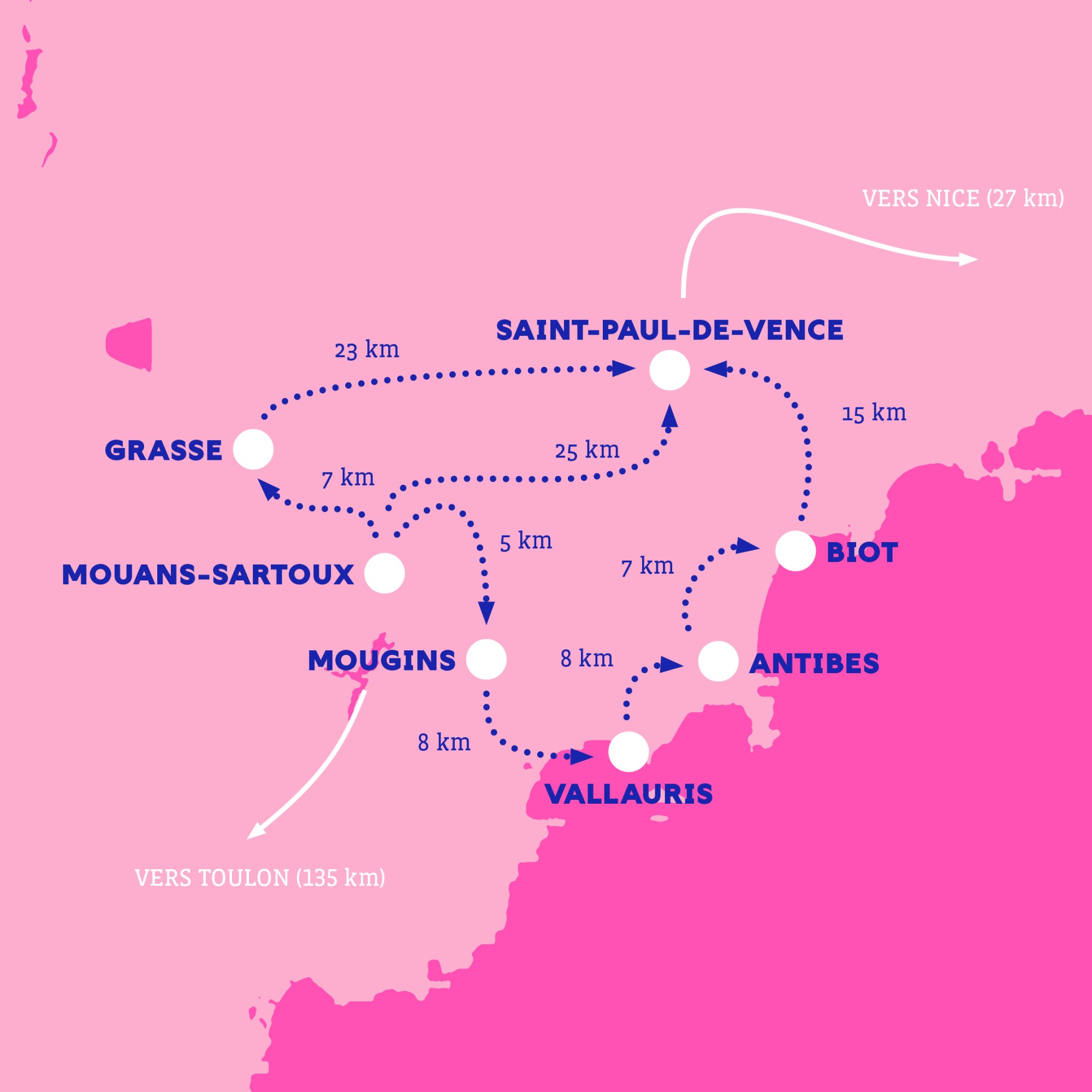
Musée Jean-Honoré Fragonard
-
Grasse
Who’s Afraid of Flowers?
→
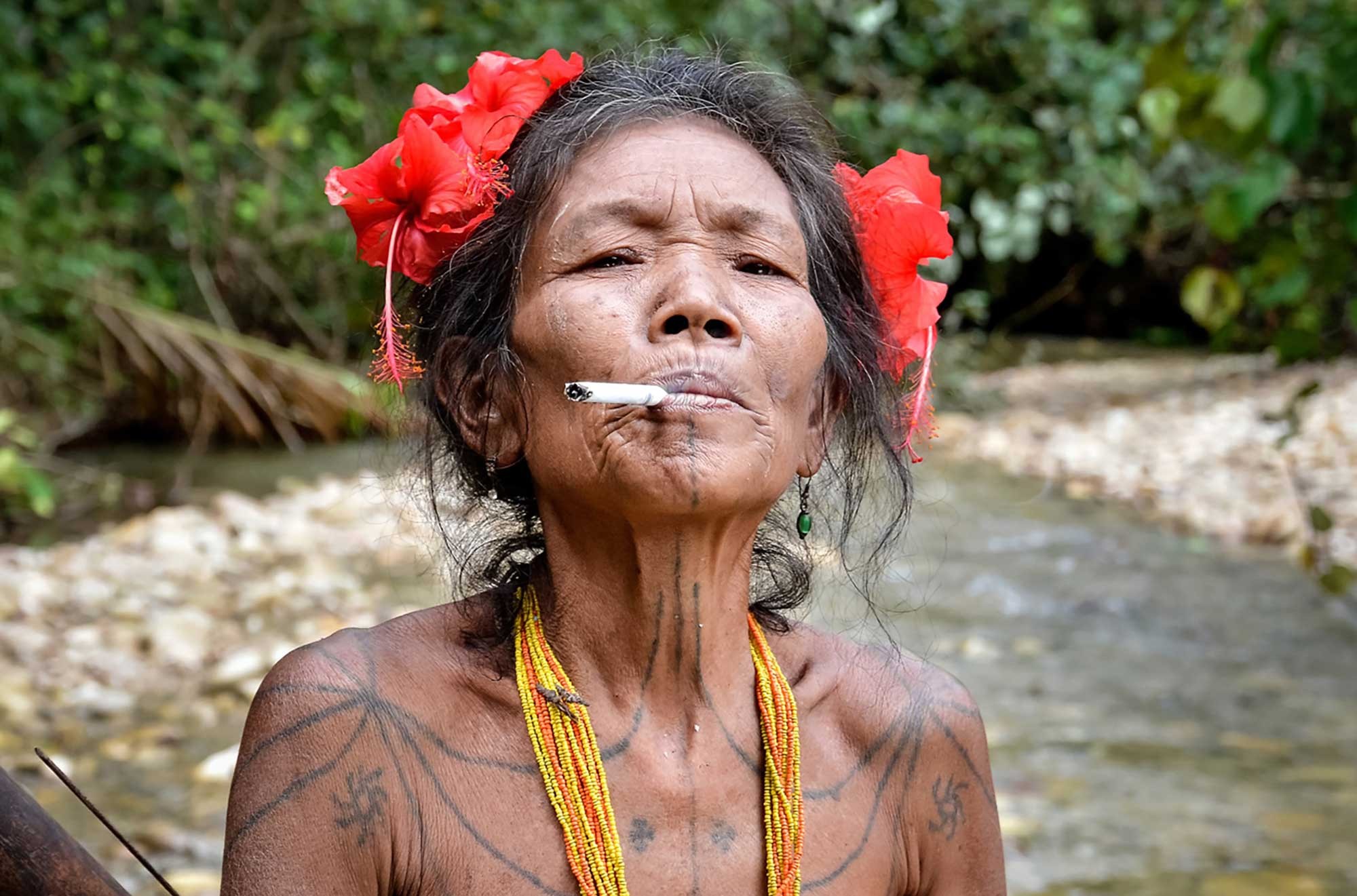
Delving into a century of photography to gather heroic snapshots in which the flower becomes a symbol of power and self-assertion: what better way to celebrate a double anniversary – the centenary of Grasse perfumery and the bicentenary of photography?
The flower is the very essence of perfume; it enchants and inspires. This touch – seemingly decorative – takes on a political dimension when presented to the world. Like a banner or a flag, it conveys a message. This flower proclaims loud and clear that the person wearing it is fearless.
Espace de l'Art Concret / eac.
-
Mouans-Sartoux
Centenaire Morellet. Amitié choisie : François Morellet & Albers-Honegger Collection
→
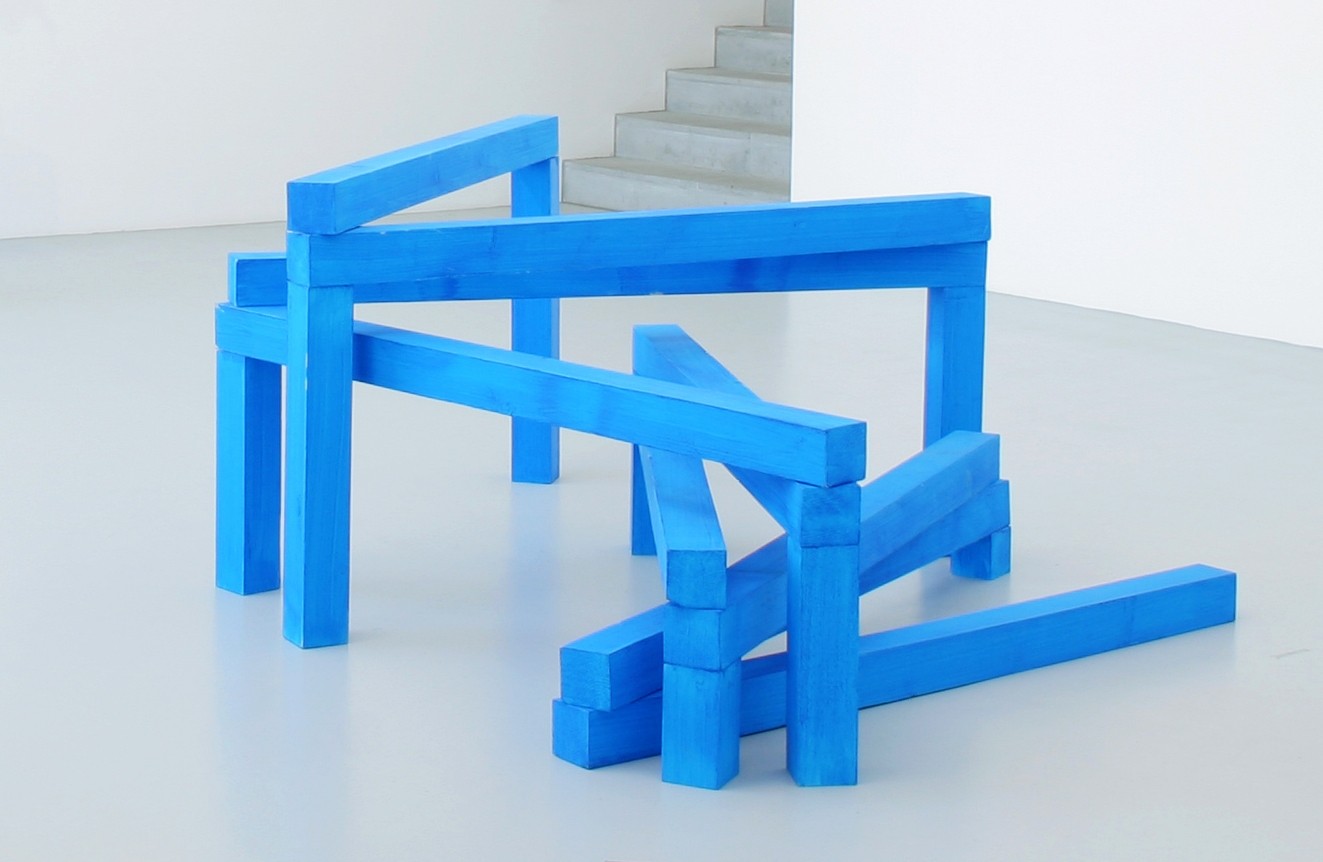
On the occasion of the centenary of François Morellet’s birth, and at the initiative of the Centre Pompidou, a series of events will pay tribute to this major artist within French institutions connected to his work.
Accordingly, the nine works by François Morellet from the Albers-Honegger Collection will be presented, along with two in situ installations created using adhesive tape in accordance with a protocol defined by the artist during his lifetime.
Fondation Maeght
-
Saint-Paul-de-Vence
Ellsworth Kelly - At the edge of water
→
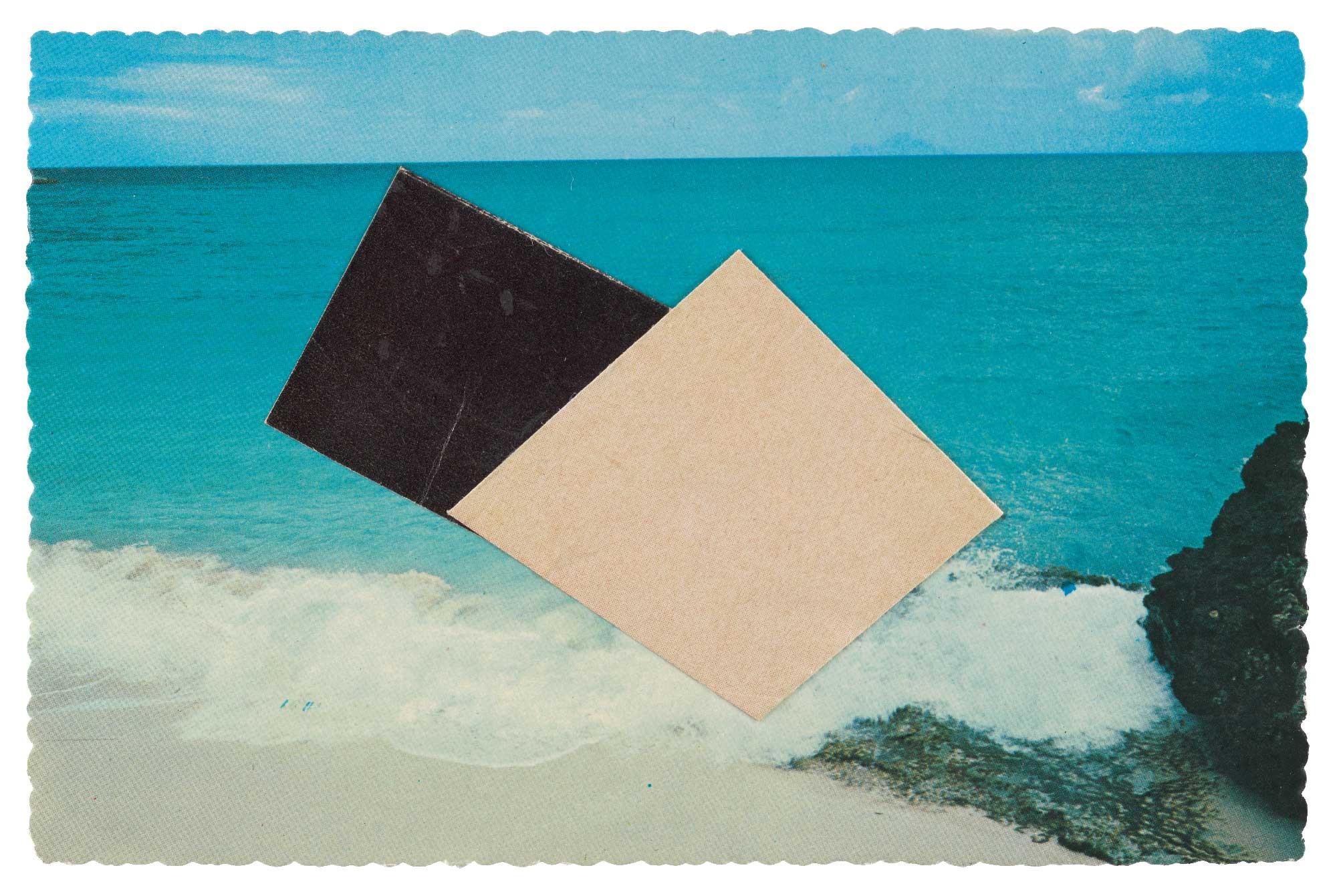
A major figure in American art, Ellsworth Kelly (1923–2015) developed a powerful abstract language rooted in close observation of the world. Water captivated him throughout his life—from Belle-Île to New York—its shifting light, colors and reflections translated into paintings, sculptures and collages of striking formal clarity.
This exhibition brings together more than one hundred works to reveal a central yet long-overlooked theme in his practice. The Fondation Maeght also celebrates Kelly’s early and enduring friendship with the Maeght family, as part of an American season of concerts and events.
Musée National Pablo Picasso - La Guerre et la Paix
-
Vallauris
Pascale Marthine Tayou
→
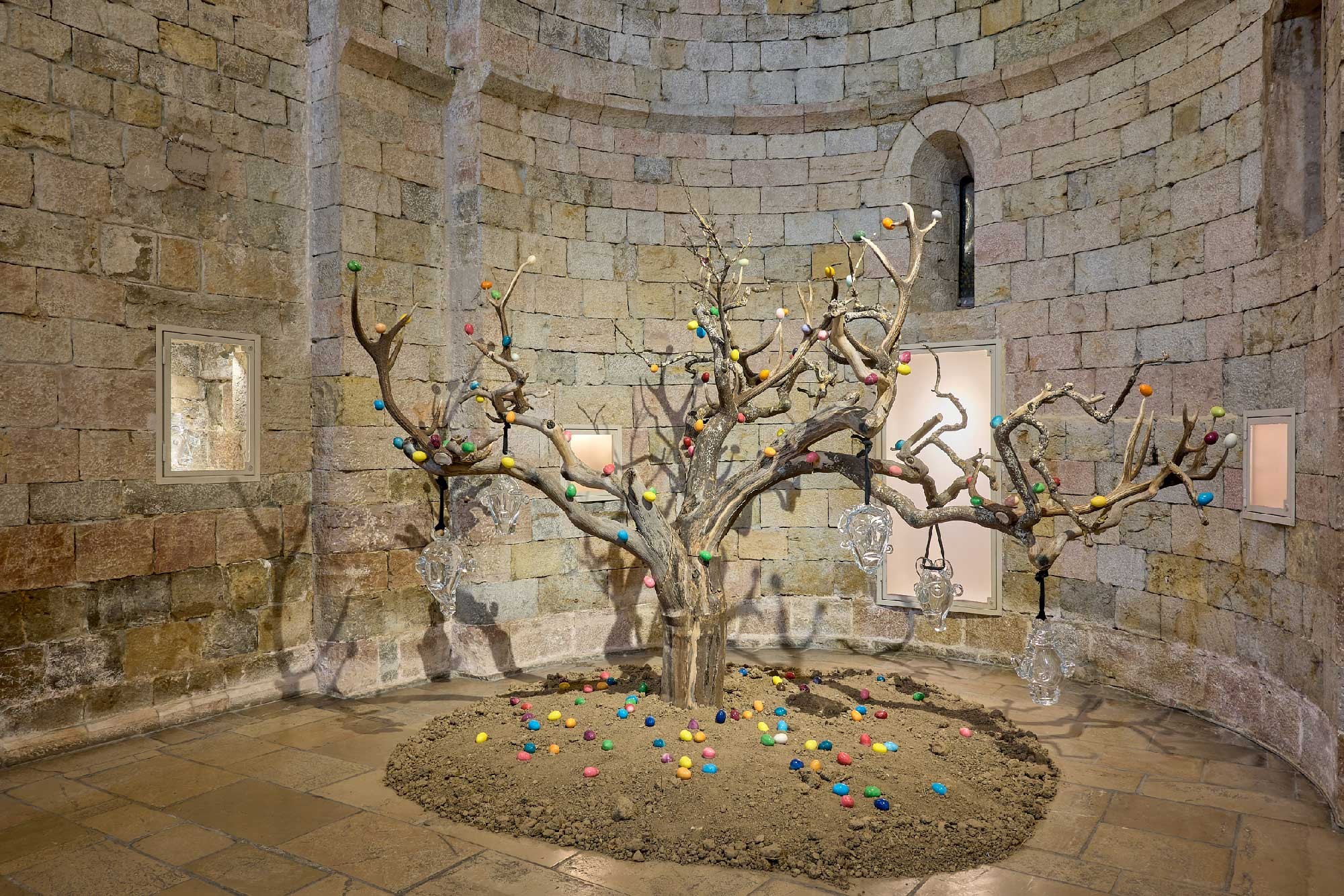
This year, the National Museums of the 20th Century of the Alpes-Maritimes have invited artist Pascale Marthine Tayou to engage in a dialogue with War and Peace, the politically charged mural of universal significance painted by Pablo Picasso in 1952 in Vallauris.
Tayou's objects, sculptures, installations, drawings and videos are united by a shared exploration of the individual in motion across the world, questioning the idea of the global village. Born in 1966 in Nkongsamba, Pascale Marthine Tayou lives and works between Ghent and Yaoundé. He has taken part in major international art events, including Documenta 11 in Kassel (2002) and the Venice Biennale in 2005 and 2009.
Dragon Hill
-
Mouans-Sartoux
Living the Maison-Paysage, Olivia Cognet
→
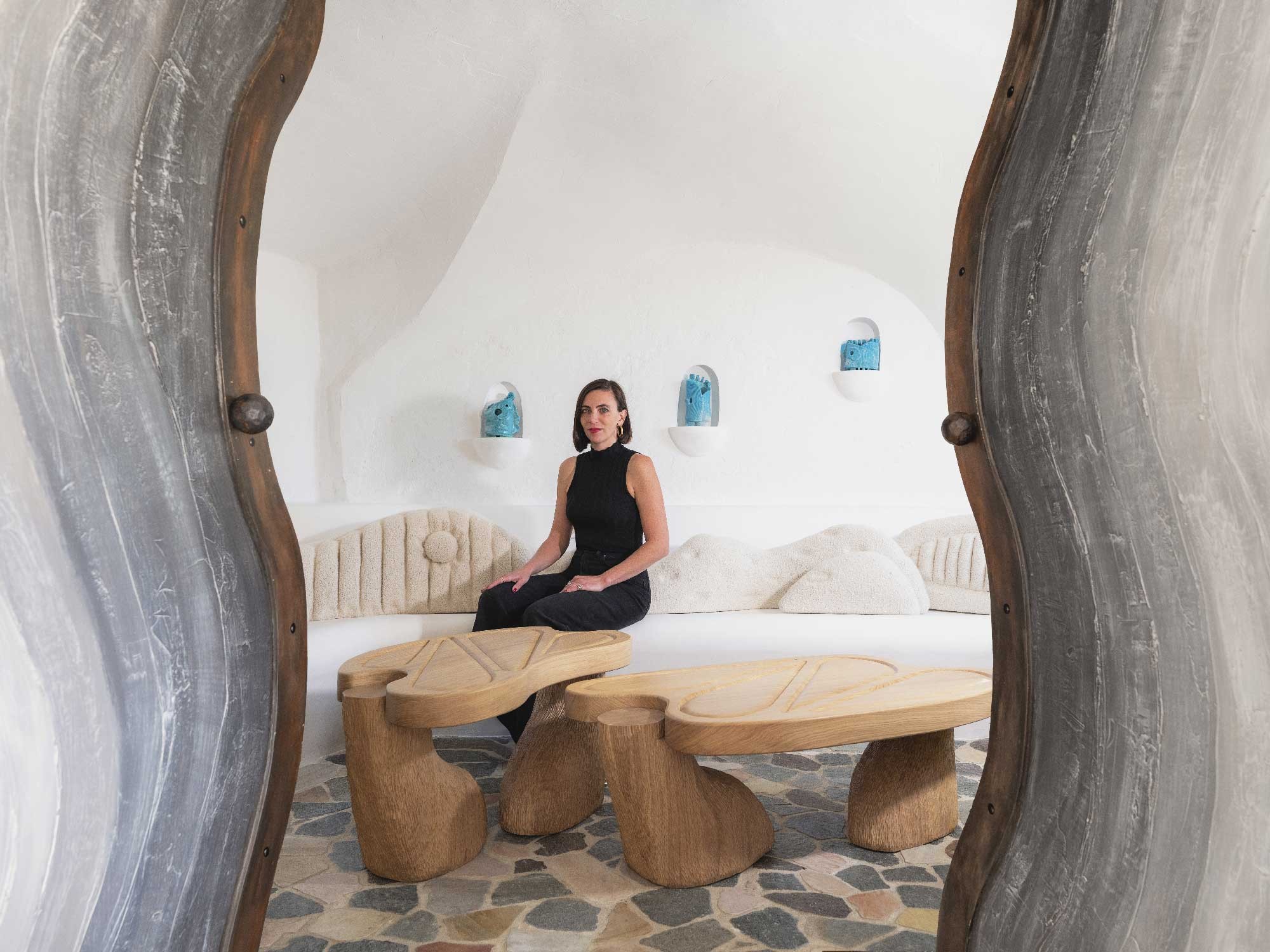
Olivia Cognet takes over the spaces of the Couëlle House with a series of works created specifically for the site. Rather than imposing her sculptures on the architecture, she chooses to listen to the house itself—its alcoves, recesses, curved lines and irregular volumes. Among the pieces on display is a sculptural tapestry sofa created in collaboration with the upholsterer Atelier Degut.
This exhibition continues one of the artist’s central lines of inquiry: transforming sculpture into a habitable territory where artwork and space engage in an intimate dialogue.
Musée National Fernand Léger
-
Biot
Léger and The Creation of the World: An Avant-Garde Ballet.
→
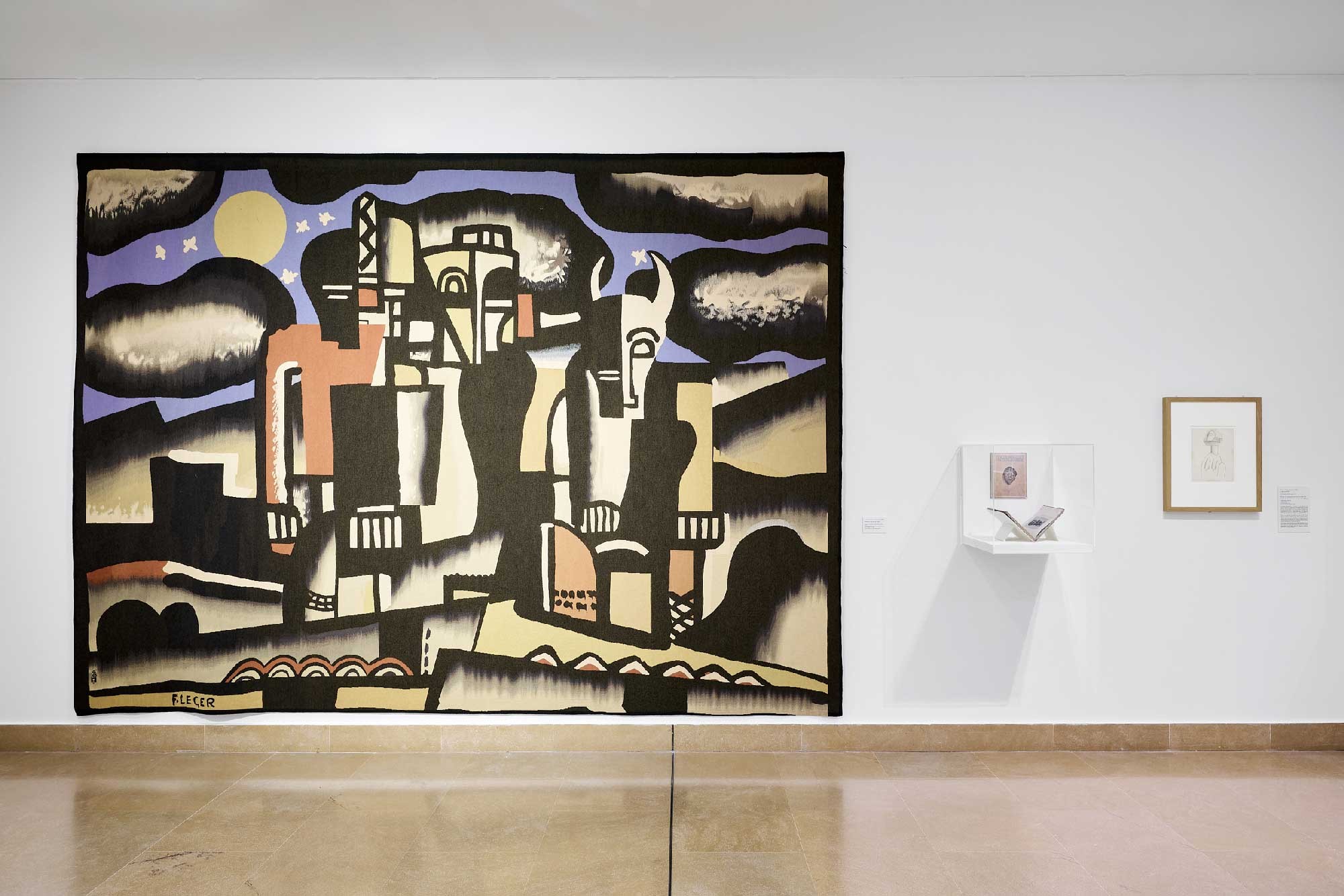
The exhibition highlights a striking 20th century ballet, La Création du monde, created in 1923 by the Ballets Suédois, with the dancer Jean Börlin, the poet Blaise Cendrars, the composer Darius Milhaud and the painter Fernand Léger for the sets and costumes. Emblematic of Léger’s relationship to modernity in the 1920s, ballet is conceived as a synthesis of the arts inextricably linking painting, music, dance and poetry.
FAMM
-
Mougins
FAMM : The collection
→
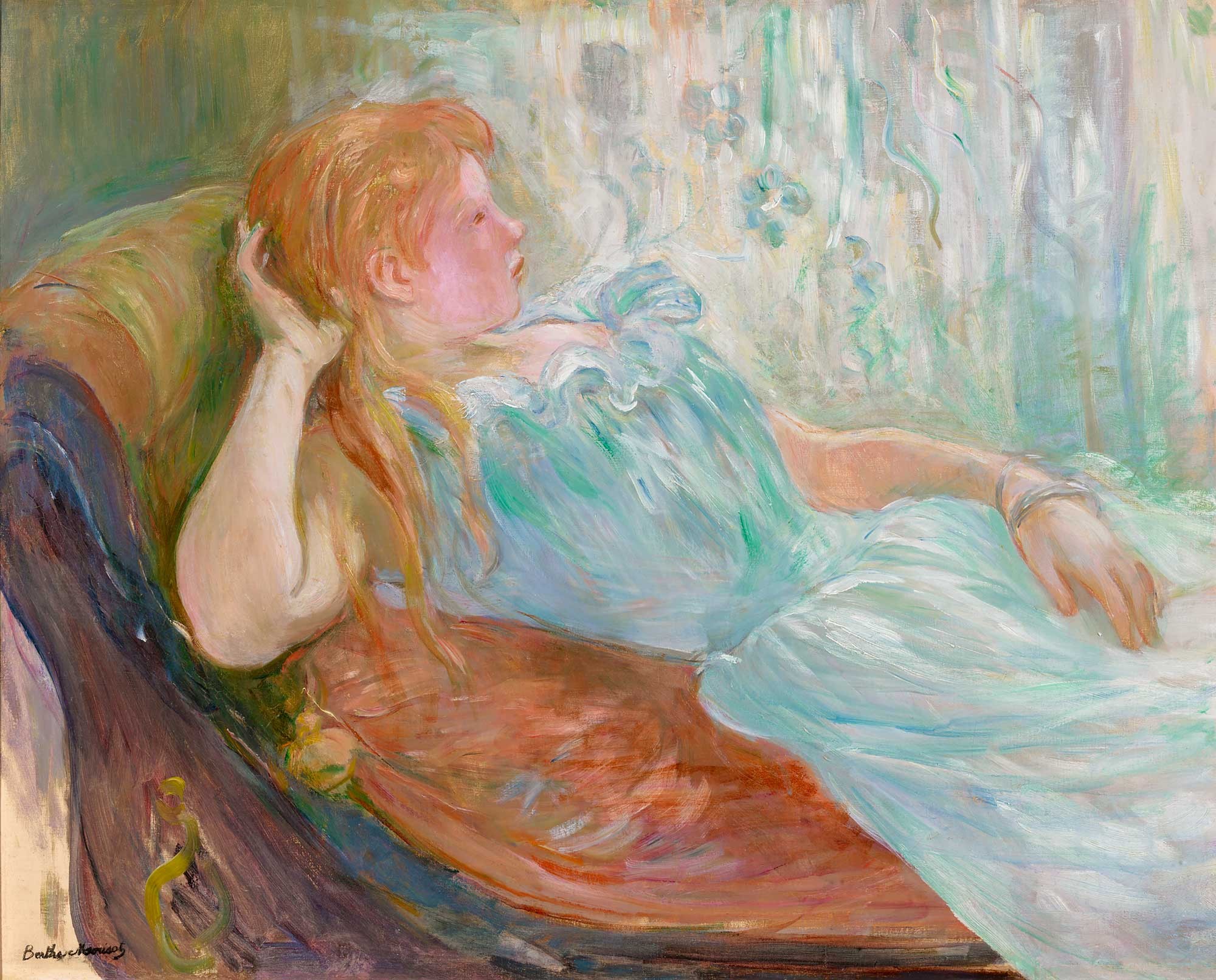
While we await the temporary exhibitions programme, visitors can explore a curated selection from the museum’s permanent collection, spanning key artistic movements from Impressionism to contemporary art. Nearly 100 works from the Levett Collection are on display, all created by female artists from around the world. Among them, Berthe Morisot, Joan Mitchell, Lee Krasner, Alice Neel, Marina Abramović, Frida Kahlo, Tracey Emin, Sarah Lucas.
Fondation CAB
-
Saint-Paul-de-Vence
Abtract Constructions, Nassos Daphnis - Rita McBride
→
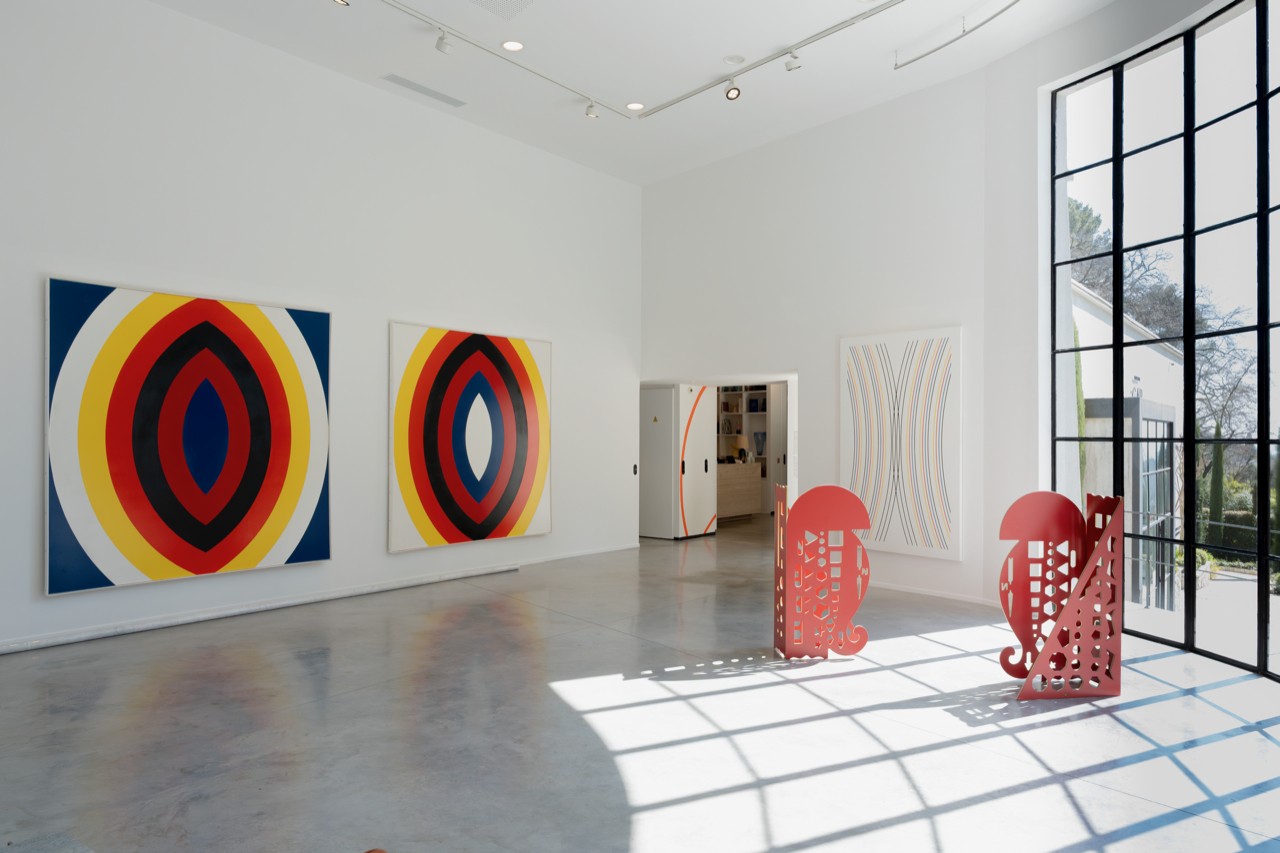
Brought together for the first time for this exhibition, the works of Nassos Daphnis and Rita McBride — two American artists seemingly distant in time and practice — resonate together within a shared space, at the boundary between functionality and poetry, between authority and freedom.
The exhibition creates a dialogue between Nassos Daphnis’s paintings, with their large, stretched planes of color spanning several periods from the 1950s to the 1990s, and the sculptures, installations, and architectural models produced by Rita McBride over the past thirty years.