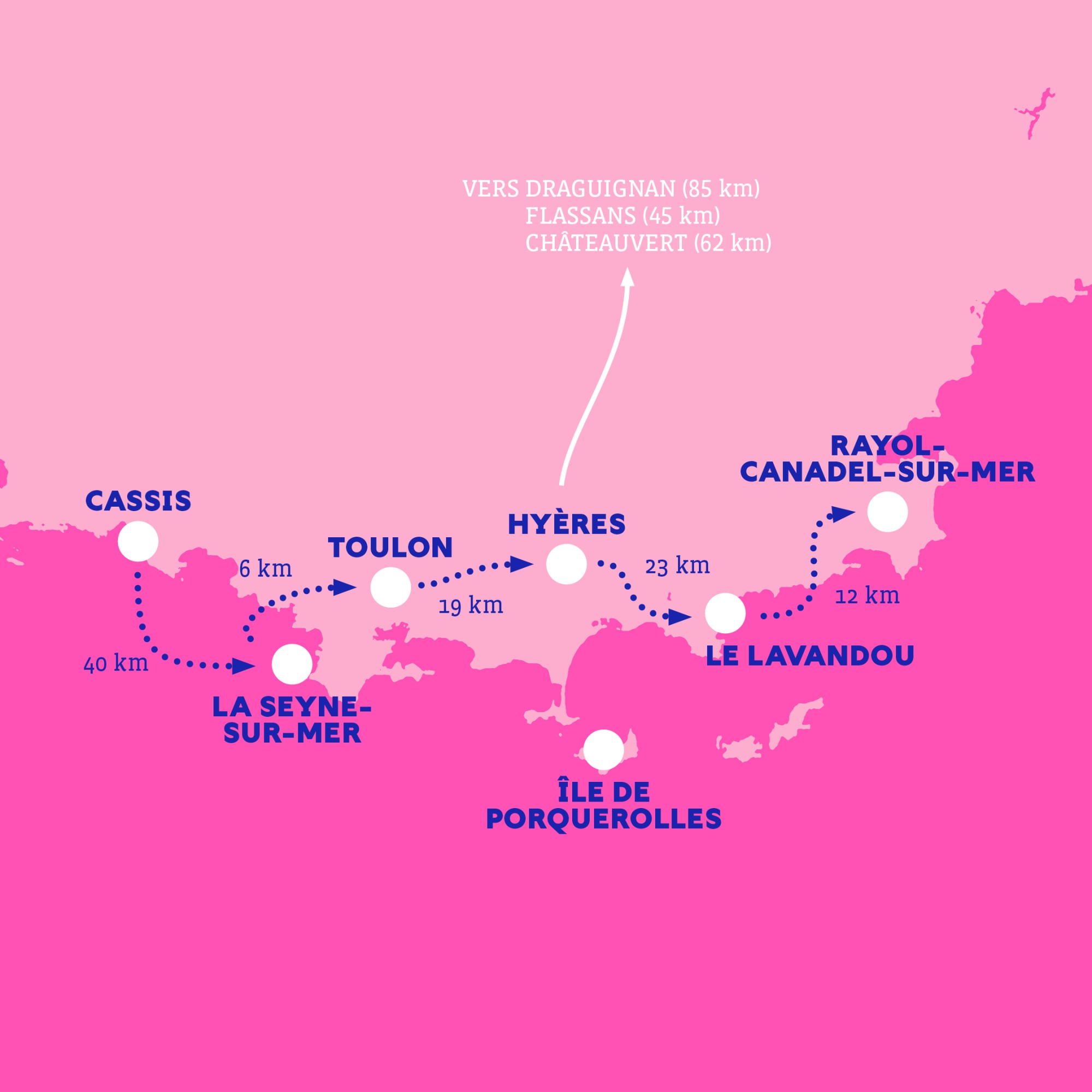
Domaine du Rayol
-
Rayol-Canadel-sur-Mer
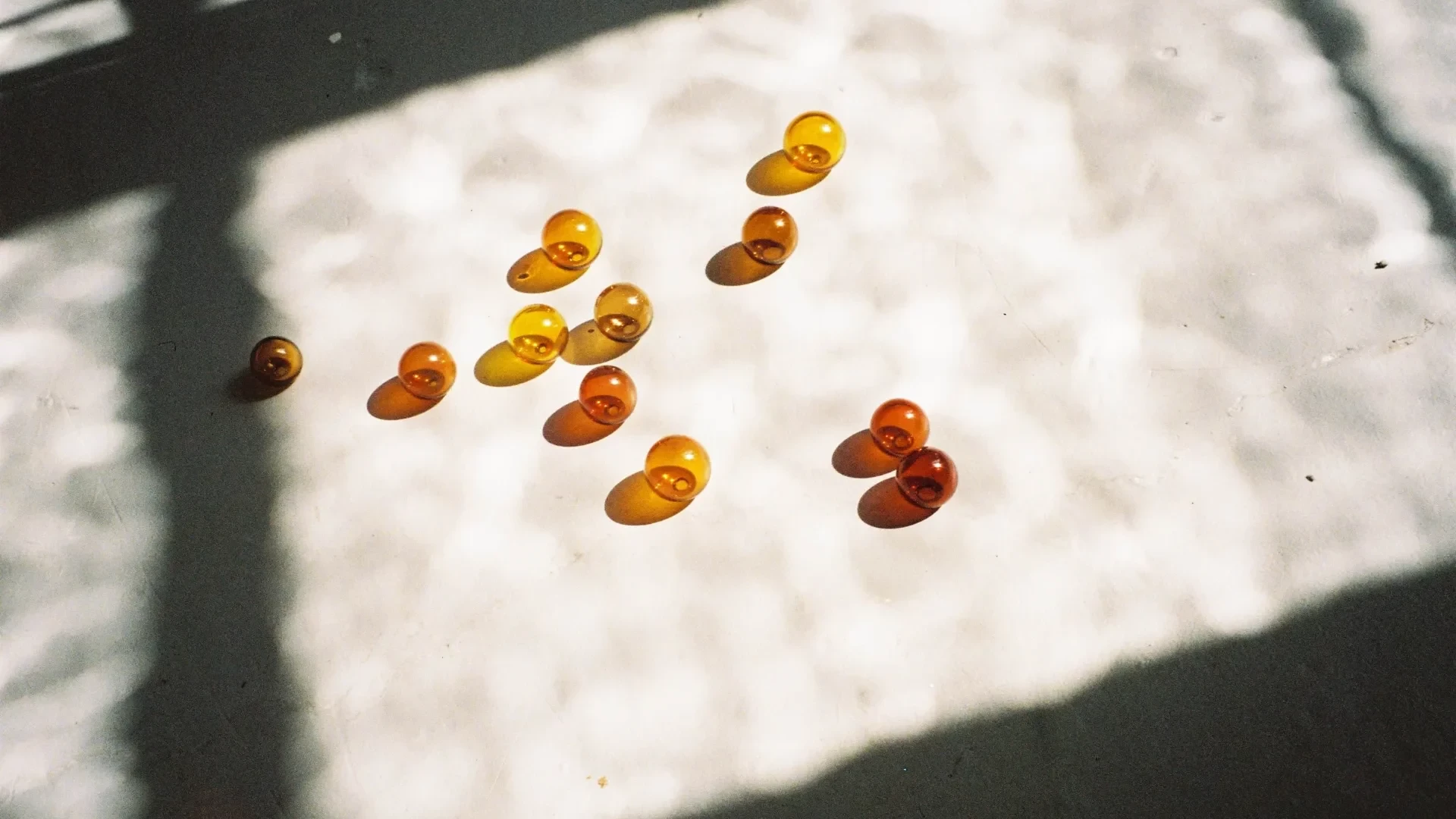
Taking the Fruit by the Pit, Pauline Beck
→
Exhibition opening on Saturday 3 October 2026 at 11.30 am, as part of Gondwana, the Mediterranean Plant Festival.
Following a research residency at the Graineterie of the Muséum national d’Histoire naturelle in Paris, and a research and creative residency exploring flat glass at Faires Atelier, Pauline Beck has developed a practice over several years that brings together scientific observation, photography and poetry. Through her research, she observes, collects and catalogues plant forms to make the processes of germination, growth and reproduction more tangible.
For this exhibition, the artist focuses on the two elements essential to germination: water and light. Analogue photographs and sculptural works enter into dialogue with a wall installation comprising some fifty coloured glass forms inspired by seeds.
Villa Carmignac
-
Hyères/Porquerolles
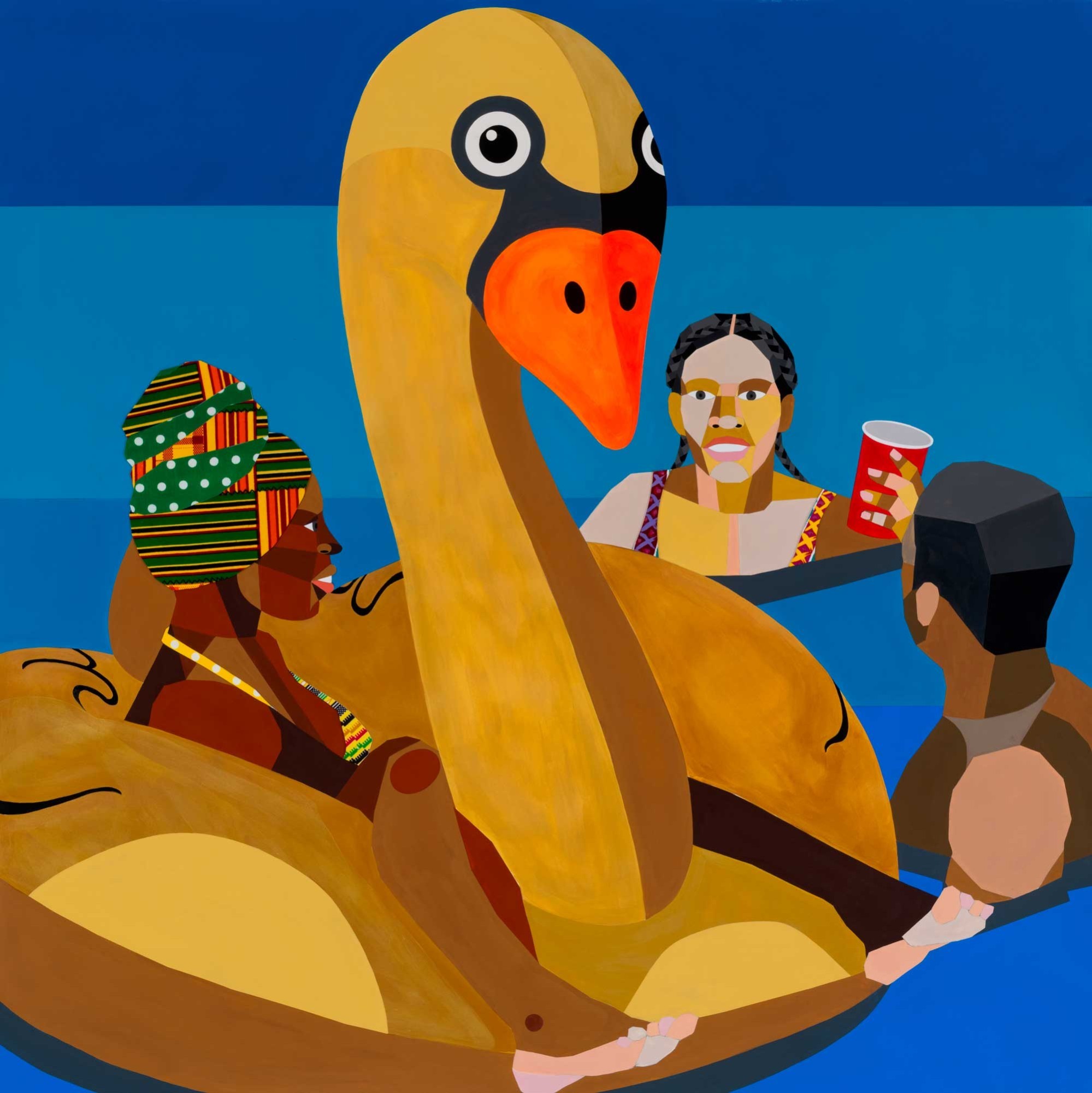
Sea, Pop & Sun
→
A tribute to the vitality of the 1960s and 1970s, the exhibition unfolds a sun-drenched imaginary shaped by desire, the sea, and freedom, where leading figures of Pop Art — Roy Lichtenstein, Andy Warhol, Evelyne Axell and Martial Raysse — dialogue with contemporary artists such as Théo Mercier, Judy Chicago, Tracey Emin, and Tschabalala Self. Between celebration and critical reflection, nearly 80 works explore the legacy of a pop spirit as vibrant as ever.
Musée du Niel
-
Hyères/Porquerolles
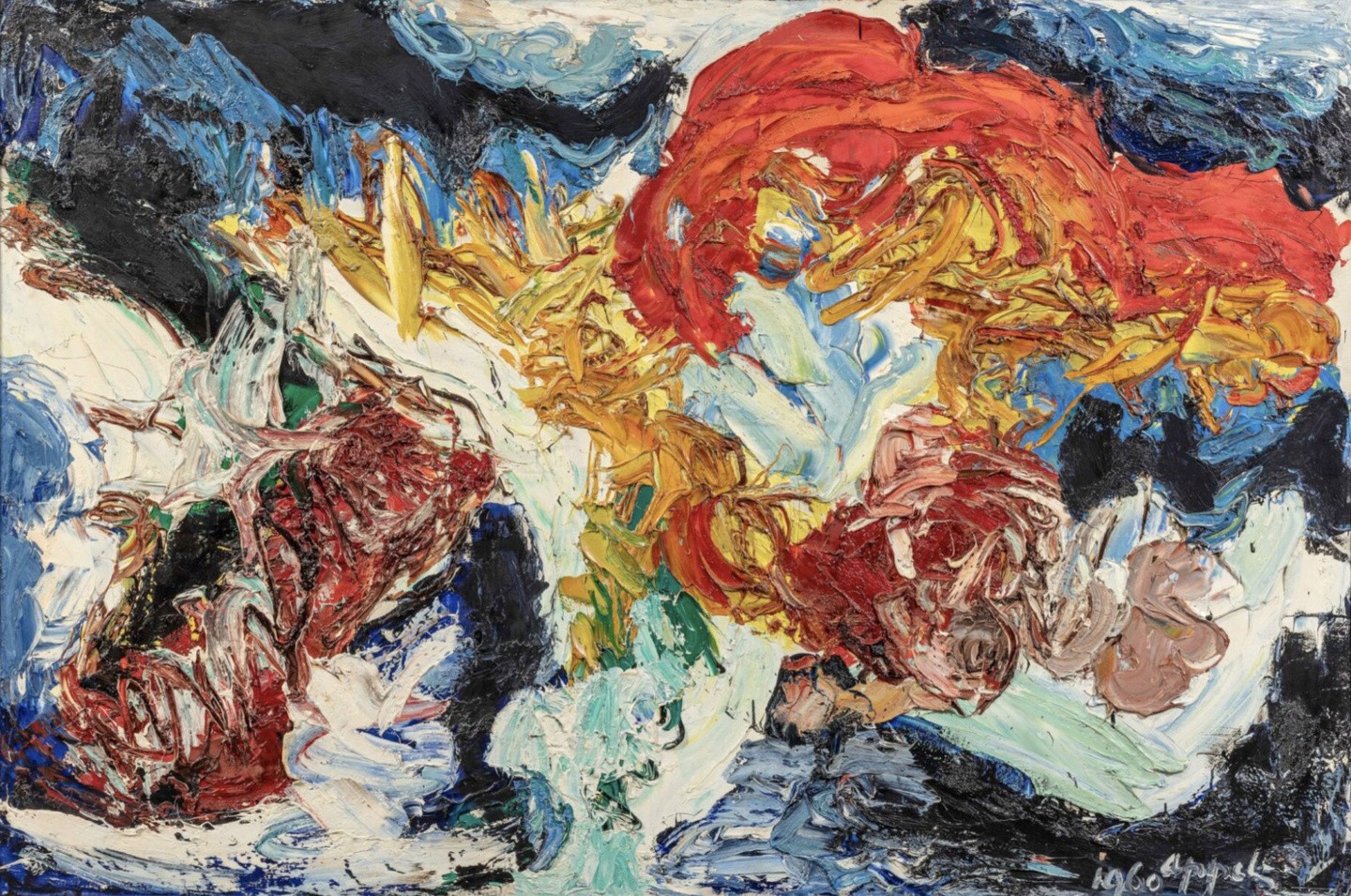
Abstraction is a colour
→
/ This exhibition highlights the relationship that may have existed between colour and abstraction in the second half of the 20th century. Colour struggled to make its mark in post-war abstract art, which was largely resistant to the use of bright hues.
Some artists still managed to impose their colourful vision, through geometric expression, such as Jean Dewasne, or through lyrical power, such as Georges Mathieu, Gérard Schneider, Serge Poliakoff, Hans Hartung and, today, Fabienne Verdier; or even through colour itself as the central element of the work, such as Simon Hantaï. Across the Atlantic, artists claimed the legacy of Matisse and made colour the key component of their abstract work whilst reinventing painting. Among them were Shirley Jaffe, Sam Francis, Kimber Smith, James Bishop. A feeling, even a language emerged – one that could be described as ‘colour abstraction’
La Banque, musée des Cultures et du Paysage
-
Hyères/Porquerolles
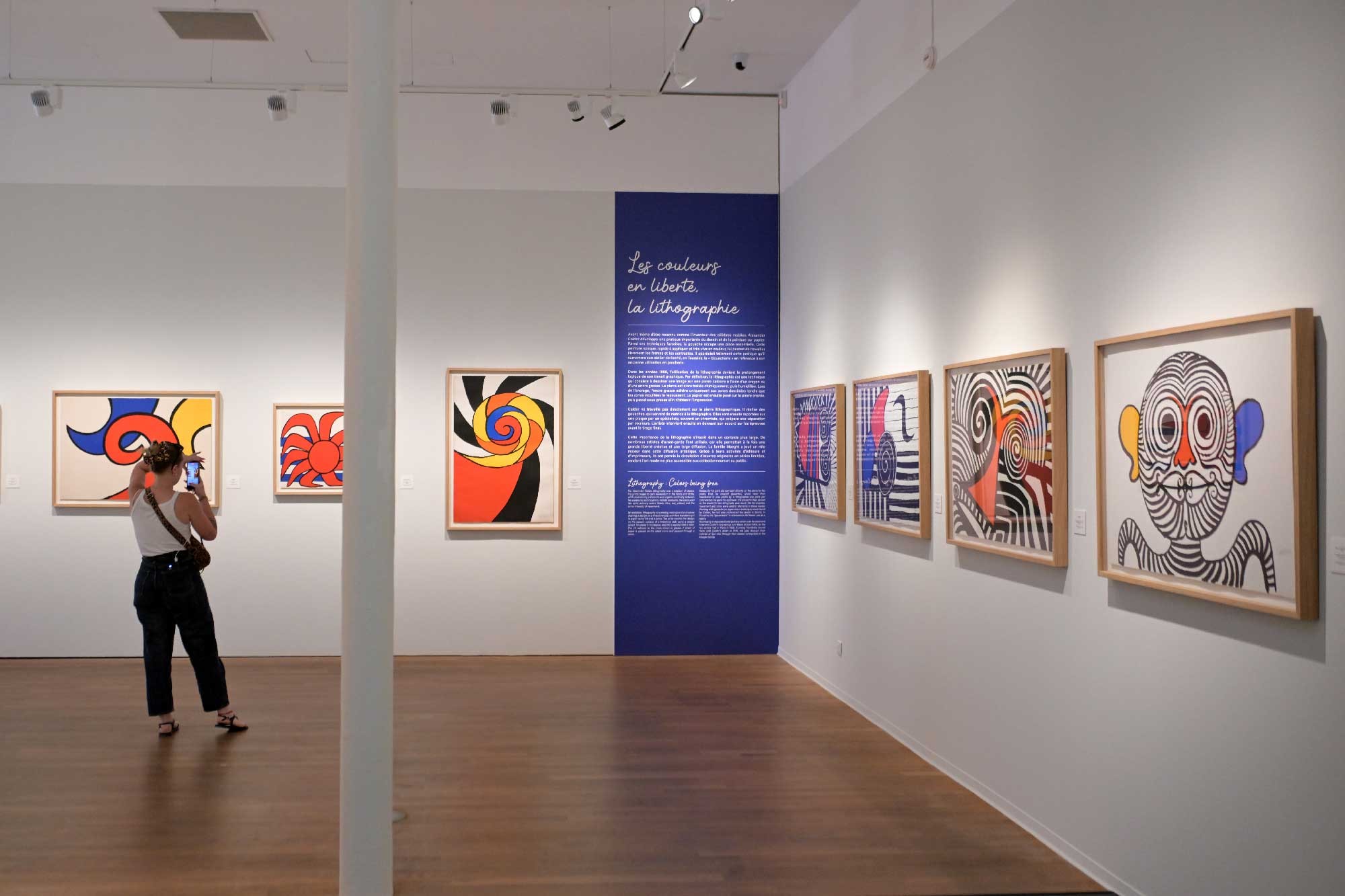
Alexander Calder
→
A display of the artist’s numerous sculptures (even his famous « mobiles »), paintings, drawings and lithographs. In partnership with the Maeght Foundation.