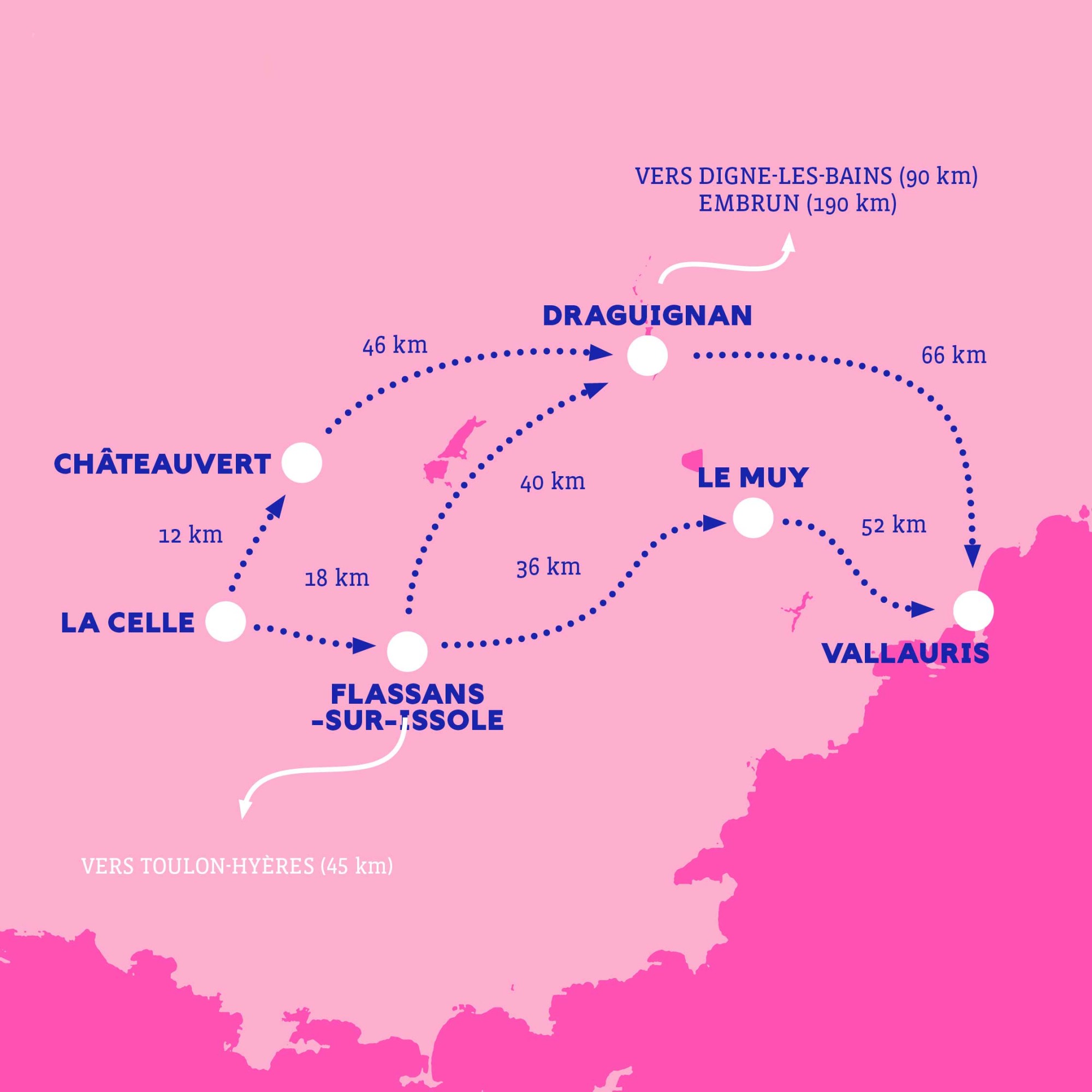
Centre d’Art Contemporain de Châteauvert
-
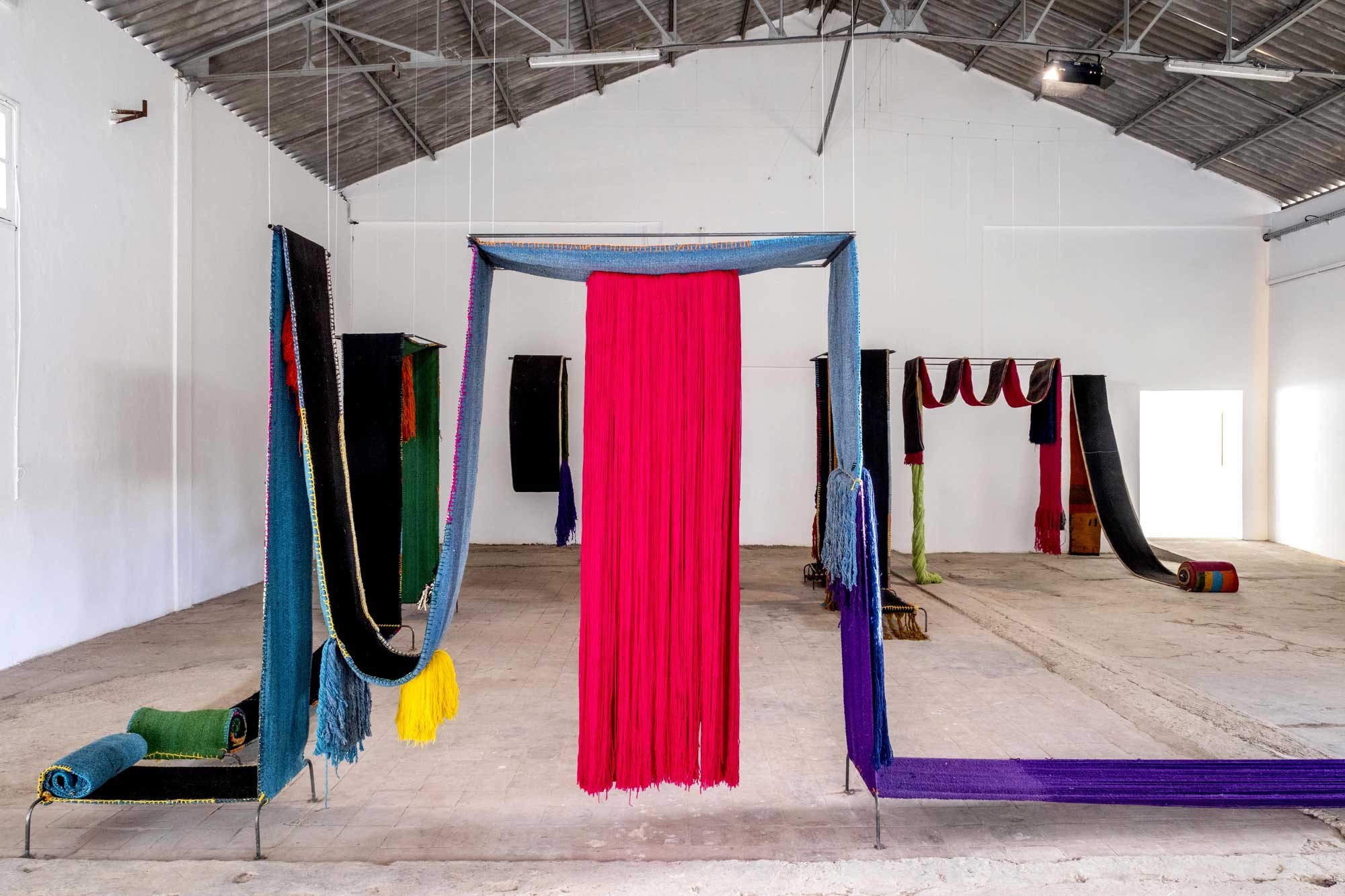
Châteauvert
Skies, Lands, Seas, Fires: An Atlas of Metamorphoses Sara Ouhaddou and Younes Rahmoun.
→
At the crossroads of elements and worlds, the Mediterranean forms a landscape where forms, beliefs and practices have been constantly changing. The exhibition explores this ever-evolving heritage through an atlas of metamorphoses: skies as mirrors of the imagination, lands as living archives, waters as a medium of circulation… The two artists bring this atlas to life. Rooted in craftsmanship and spirituality, their work weaves a Mediterranean narrative in which tradition and modernity illuminate each other.
With the support of the Institut Français as part of the Mediterranean Season, the Direction Régionale des Affaires Culturelles PACA and the Région Sud PACA.
Abbaye de La Celle
-
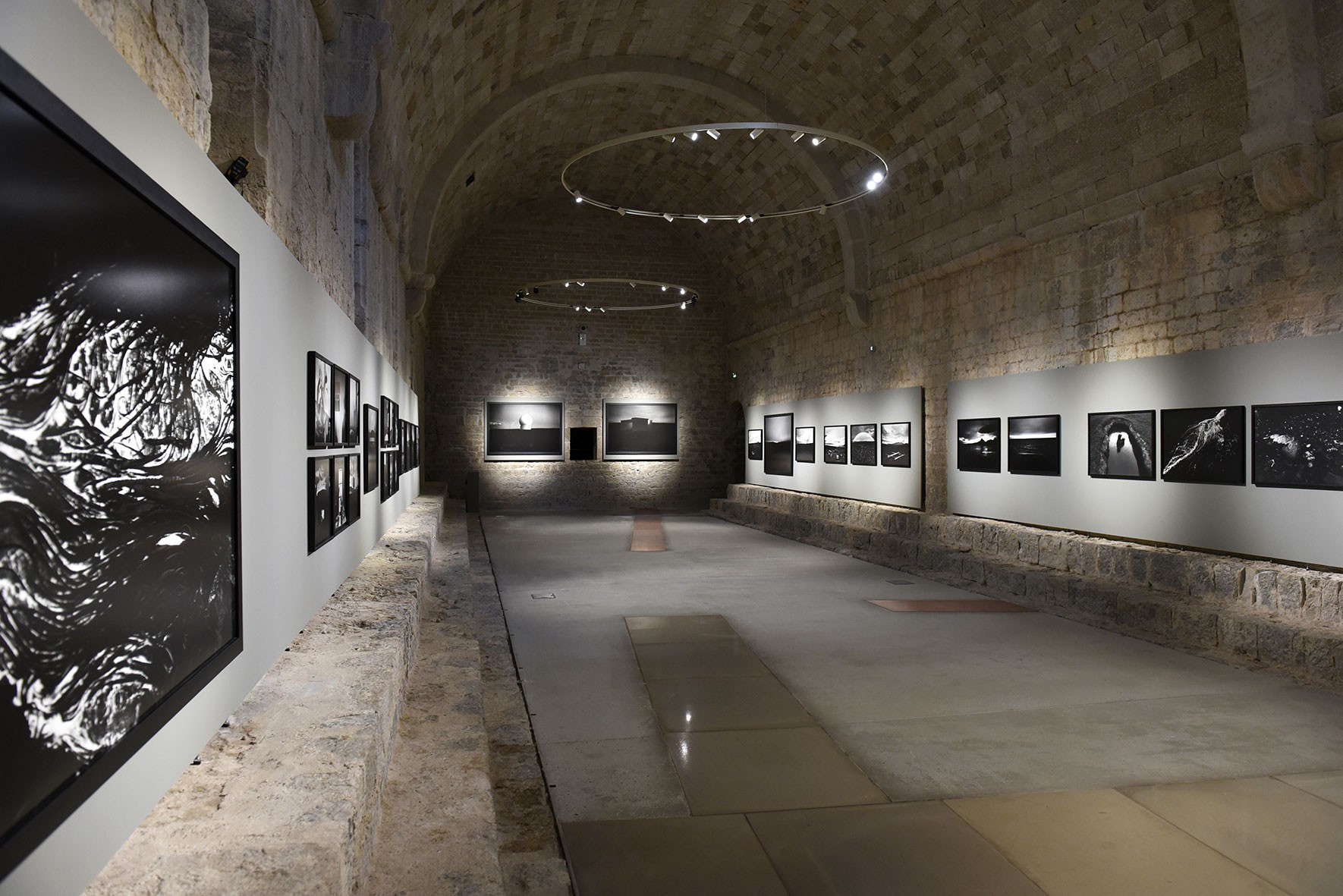
La Celle
Island Solitudes, Klavdij Sluban
→
Photographer Klavdij Sluban, through the images he produced in the Kerguelen Islands and in Japan, recreates the solitude that seems to have set in. The rare living beings - humans, seals or birds - seem to be there only by accident, in a provisional and fragile way. He builds a dense relationship with the poetic architecture of the abbey by offering a spiritual journey into the islands, those of the intimate or the universal, where time seems to stand still and, paradoxically, omnipresent.
Villa Navarra
-
Le Muy
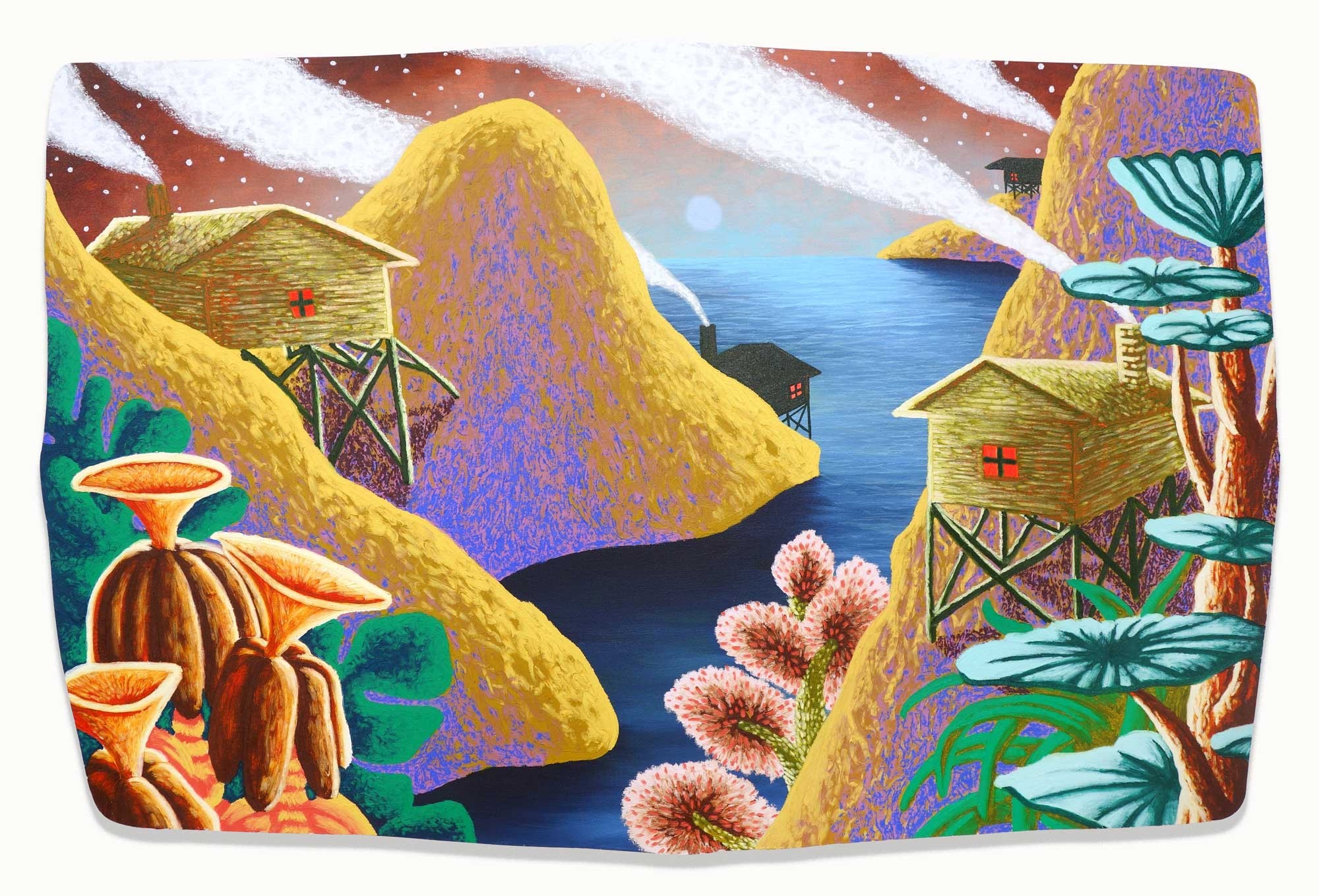
Ring the Cookhouse Bell, Eliot Greenwald
→
New paintings and sculptures by Eliot Greenwald.
Situated on an edge or an island, a stilt house sends signals…