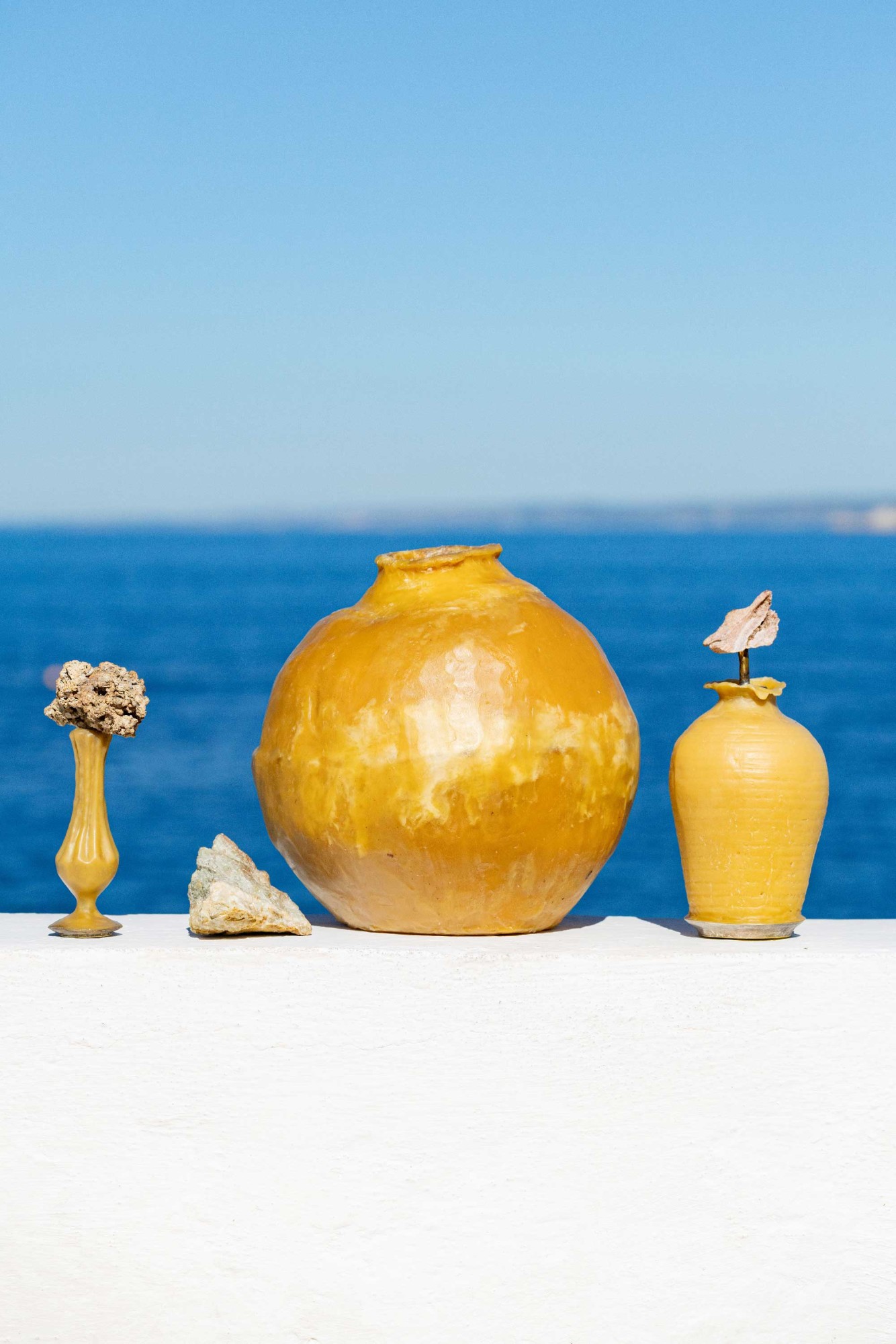
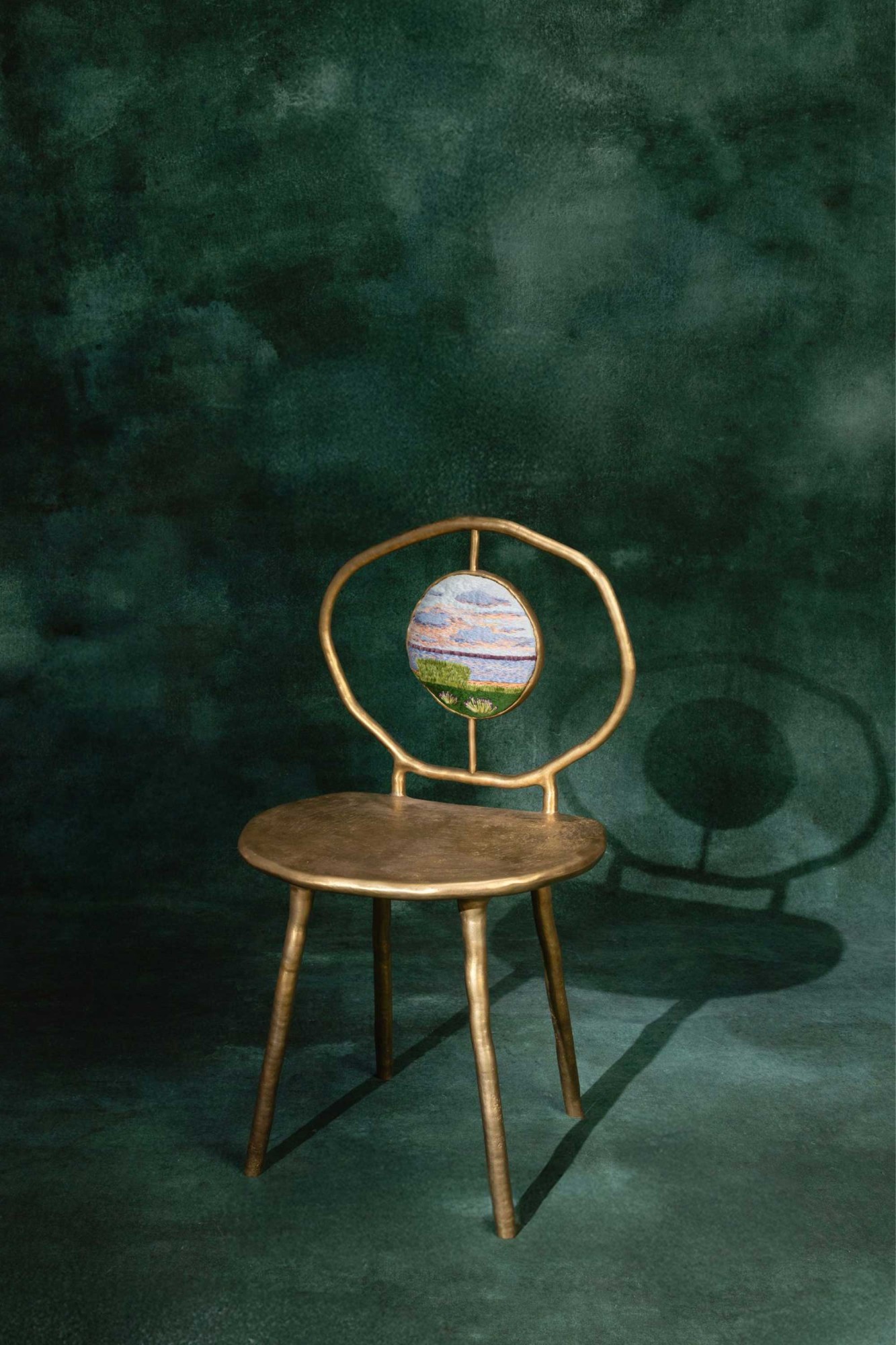
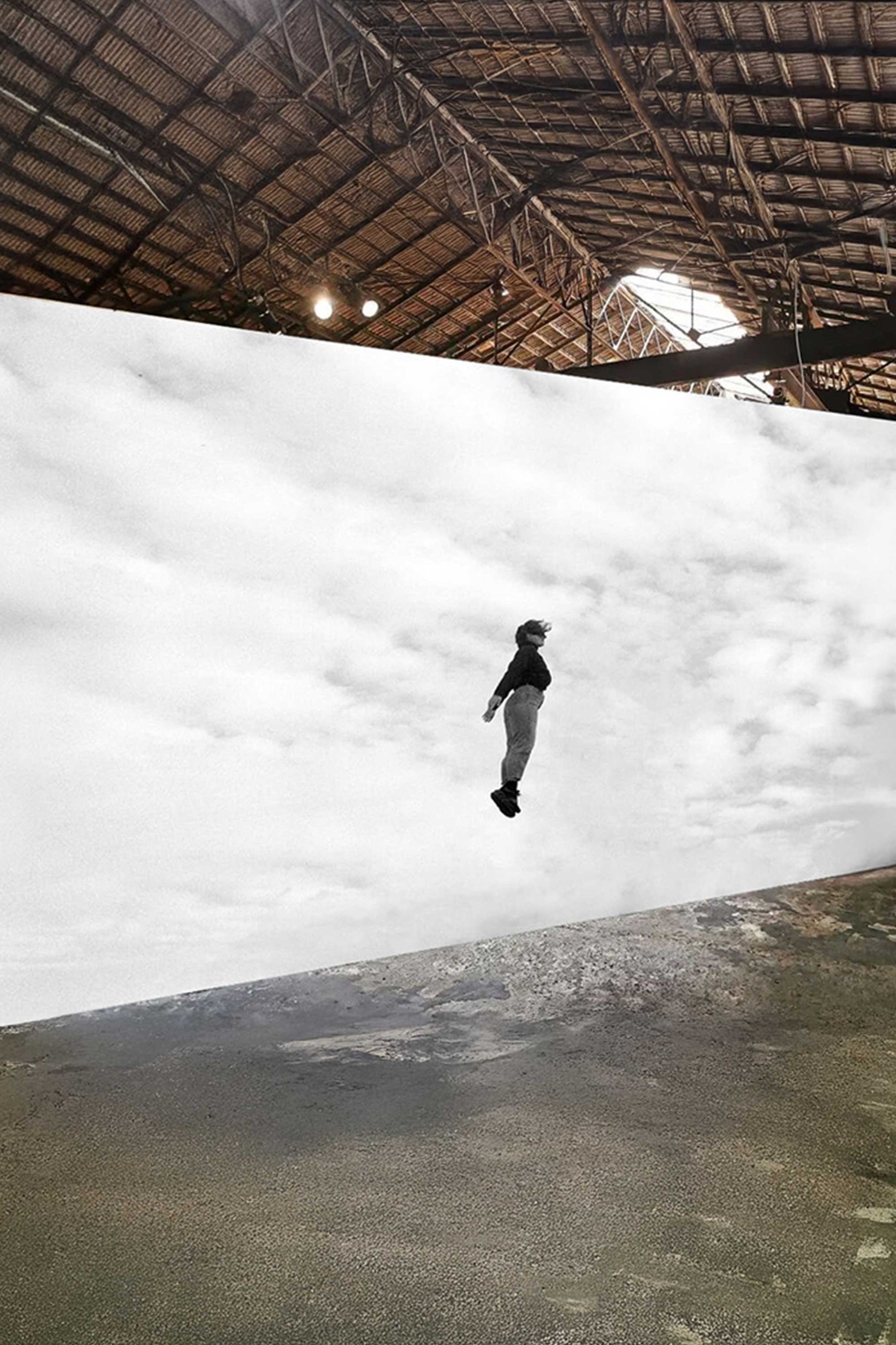
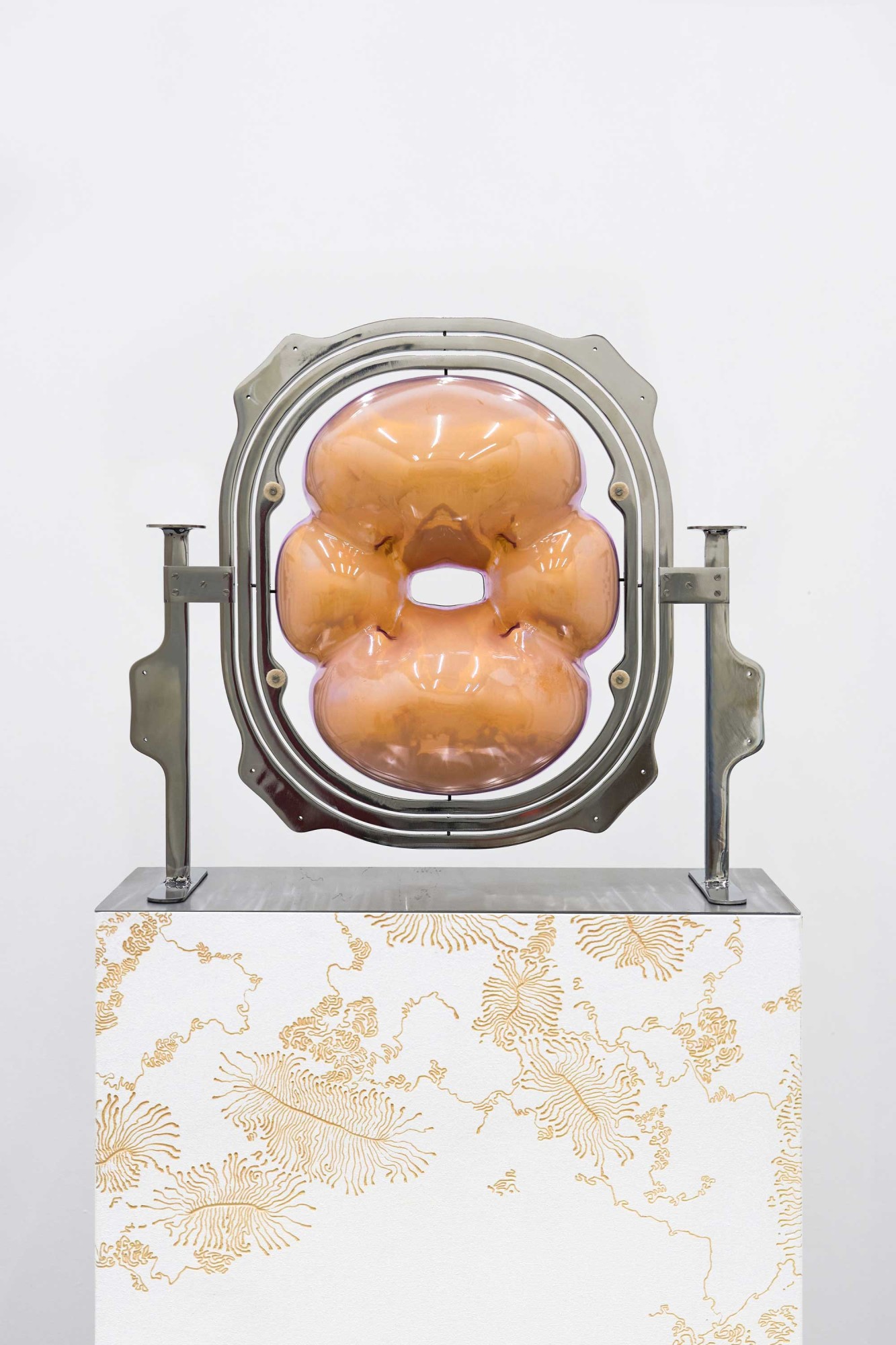
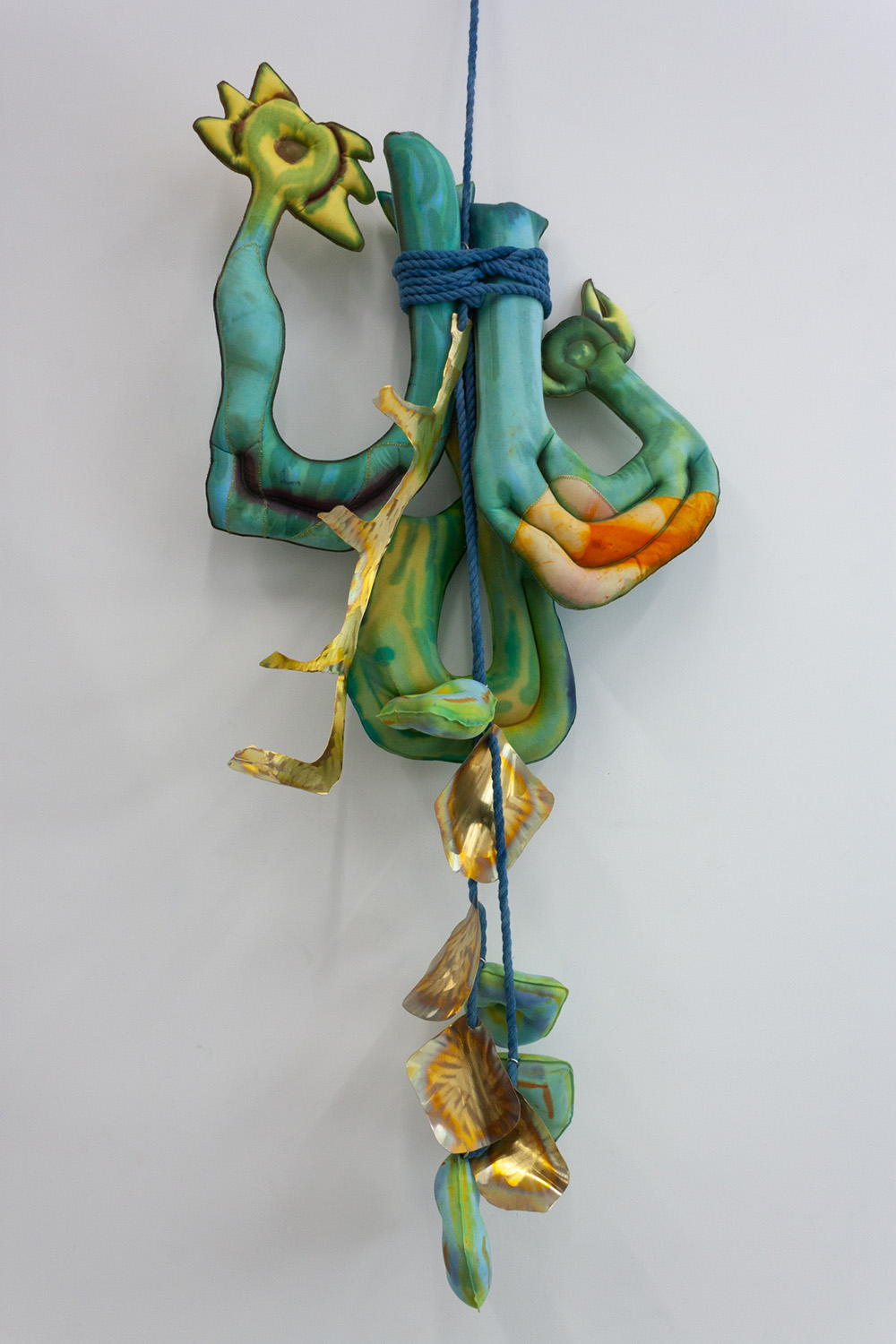
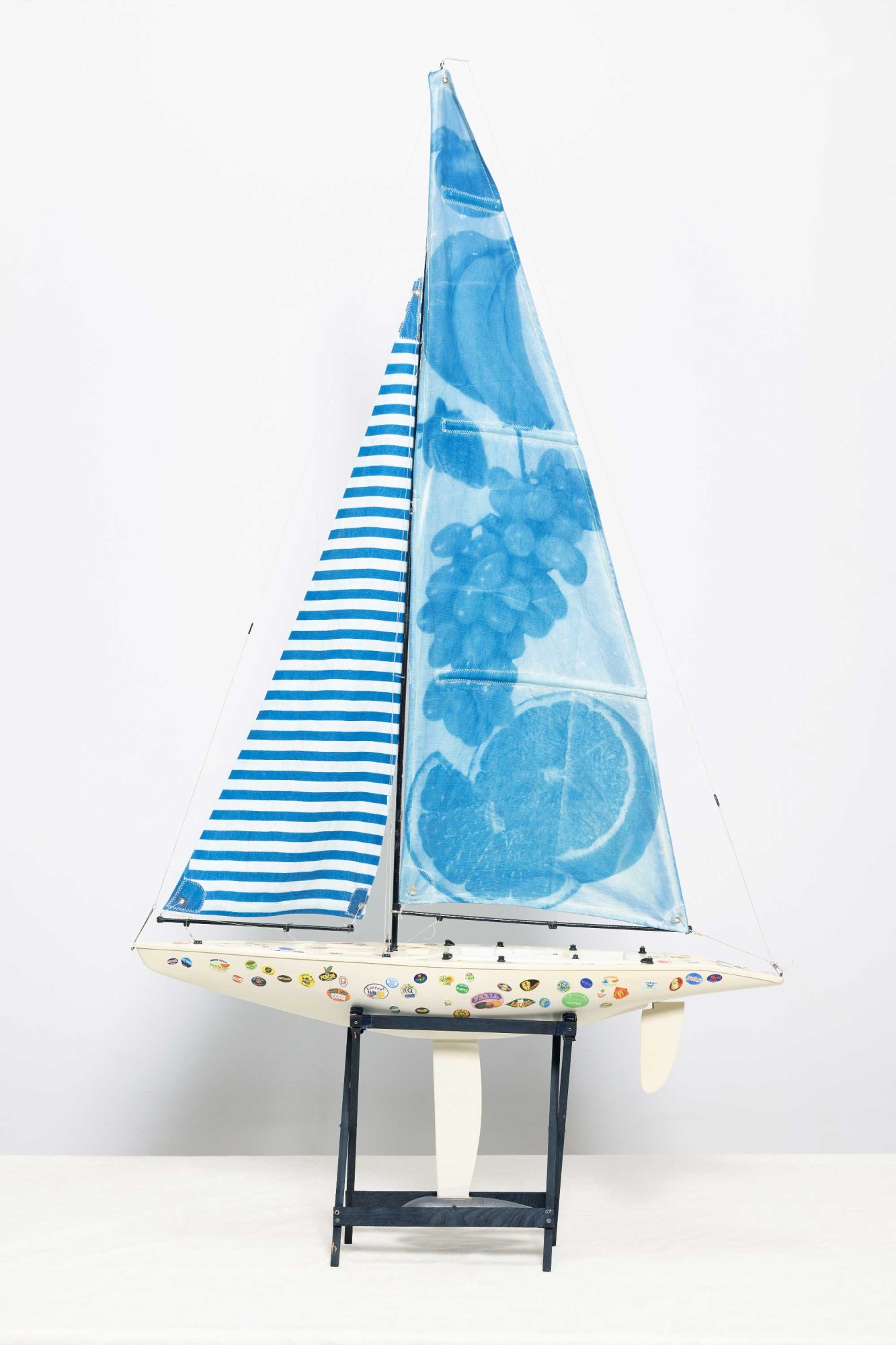
Plein Sud: Art fairs are generally seen first and foremost as places that support the market. Yet although Art-o-rama is an international fair, it seems to reflect an ecosystem that has helped shape a distinctive artistic identity in Marseille and the Mediterranean region. Do you feel that Art-o-rama stands apart from other fairs, and what do you think makes it unique?
Jérôme Pantalacci: Being based in Marseille, we immediately focused on emerging galleries to attract exhibitors whose work interested us. They still make up a large proportion of our participants and remain central to our identity. Art-o-rama places a strong emphasis on emerging art, young artists and very recent work. From the outset, we prioritised new productions, letting galleries know how important this was to us and asking them to present a curatorial project. Every year, including this one, we show works for the very first time, some of which were produced over the summer or only very recently. I think that is a key part of the fair’s identity. You don’t come to Art-o-rama to see Warhols or Basquiats, but to discover young artists and perhaps the great names of the future.
P.S.: Art-o-rama has helped tell the story of the local art scene and reflect its identity, while remaining open to the international stage. How have you balanced these two dimensions?
J.P.: Our ambition has always been to establish Marseille on the international map, and it certainly belongs there. Contemporary art is inherently international and global. Marseille has a fascinating community of artists, made all the richer by the fact that these young artists are connected to other regions and cities, as well as to international networks. Marseille 2013 marked a turning point, with the redevelopment of Friche la Belle de Mai and the creation of institutions such as FRAC Sud and, of course, Mucem, whose architecture made such a powerful statement. All of this helped transform the city’s image, and everyone benefited. Today, Mucem is almost better known than Notre-Dame-de-la-Garde and has become one of Marseille’s landmarks.
P.S.: You started with very few exhibitors. Were they all local galleries from Marseille or the surrounding region?
J.P.: In the first year, we had only five galleries, and not one of them was based in Marseille! Twenty years ago, there were very few Marseille galleries with an international outlook. The idea was therefore to bring people from elsewhere to Marseille, not to create something inward-looking. Initially, most of the galleries were French or European, but we gradually expanded our geographical reach each year. This year, for example, we have galleries coming from Lima in Peru and from Sydney. We also have Japanese galleries and, for the past few years, several American galleries. Contemporary art is an extremely international field, however, and I don’t think there is any real distinction today between the way young artists work in Lima or Sydney. It is a global community.
P.S.: How does this dialogue between Marseille’s local art scene and the international scene take shape?
J.P.: We have always worked closely with the local arts community. The idea has always been to help the local and regional scene connect with national and international galleries. Even though there were very few galleries in the city when we began, as I mentioned, we immediately organised trails and tours introducing visitors to the exhibitions and venues already present in Marseille. Another feature specific to the fair, established in its very first year, was inviting local artists and supporting them in producing new work. Initially, we invited artists we knew who lived in the region. We then introduced an open call focusing on artists who had trained locally and graduated within the previous five years. The Prix Région Sud, which originally had a different name, has always centred on inviting and supporting artists.
P.S.: Since 2012, you have established selection criteria for emerging artists connected to the region’s art schools. How were these criteria developed?
J.P.: There are many ways of being connected to a particular place. Artists are inherently mobile, even when they have ties to a city such as Marseille or to the wider region. We therefore decided that the strongest connection they could have with the area was to have trained here. This became the basis of our criteria, especially as the PACA region has a particularly strong network of art schools. Including Monaco, there are seven in total, two of which are national institutions: the École nationale supérieure de la photographie (ENSP) in Arles and Villa Arson in Nice.
P.S.: For the past few years, you have also hosted the Beaux-Arts de Marseille Prize, accompanied by an exhibition on the fifth floor of Friche la Belle de Mai.
J.P.: Yes, this is a more specific collaboration with Beaux-Arts de Marseille. Alongside the graduate exhibition on the fifth floor of La Friche, the school awards the Prix François Bret to two graduates from that year, one in art and one in design. The winners are announced on the opening day, and the artist and designer present their work on the school’s stand at Art-o-rama.
P.S.: Last year, Art-o-rama paid tribute to Roger Pailhas, founder of the eponymous Marseille gallery, who died in 2005 and for whom you worked. In 1996, he founded the contemporary art fair Art Dealers, an international event that established Marseille as a major platform for exhibitions and international exchange. You have often said that Art-o-rama was built on this legacy.
J.P.: When Art-o-rama was founded, there were two of us: Gaïd Beaulieu and me. We met while working at Roger Pailhas’s gallery and oversaw its closure following his death in 2005. Roger had a talent for discovering not only artists, but also gallerists. In 2006, we decided to build on the format he had created with Art Dealers, for which he invited eight international galleries to exhibit in his 1,000-square-metre gallery on Marseille’s Vieux-Port. Gaïd Beaulieu and I worked together on the first five editions of the fair, up to 2011.
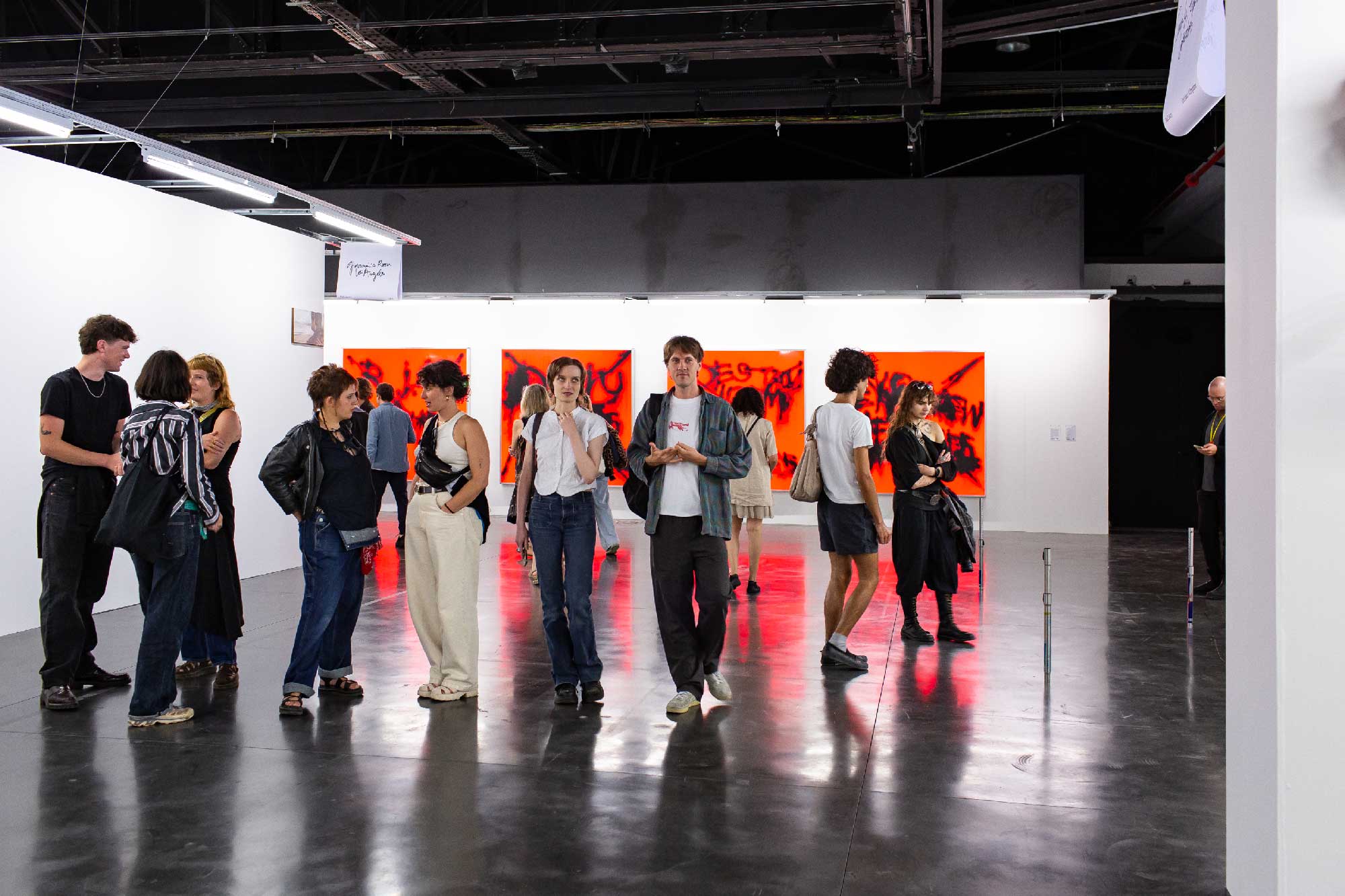
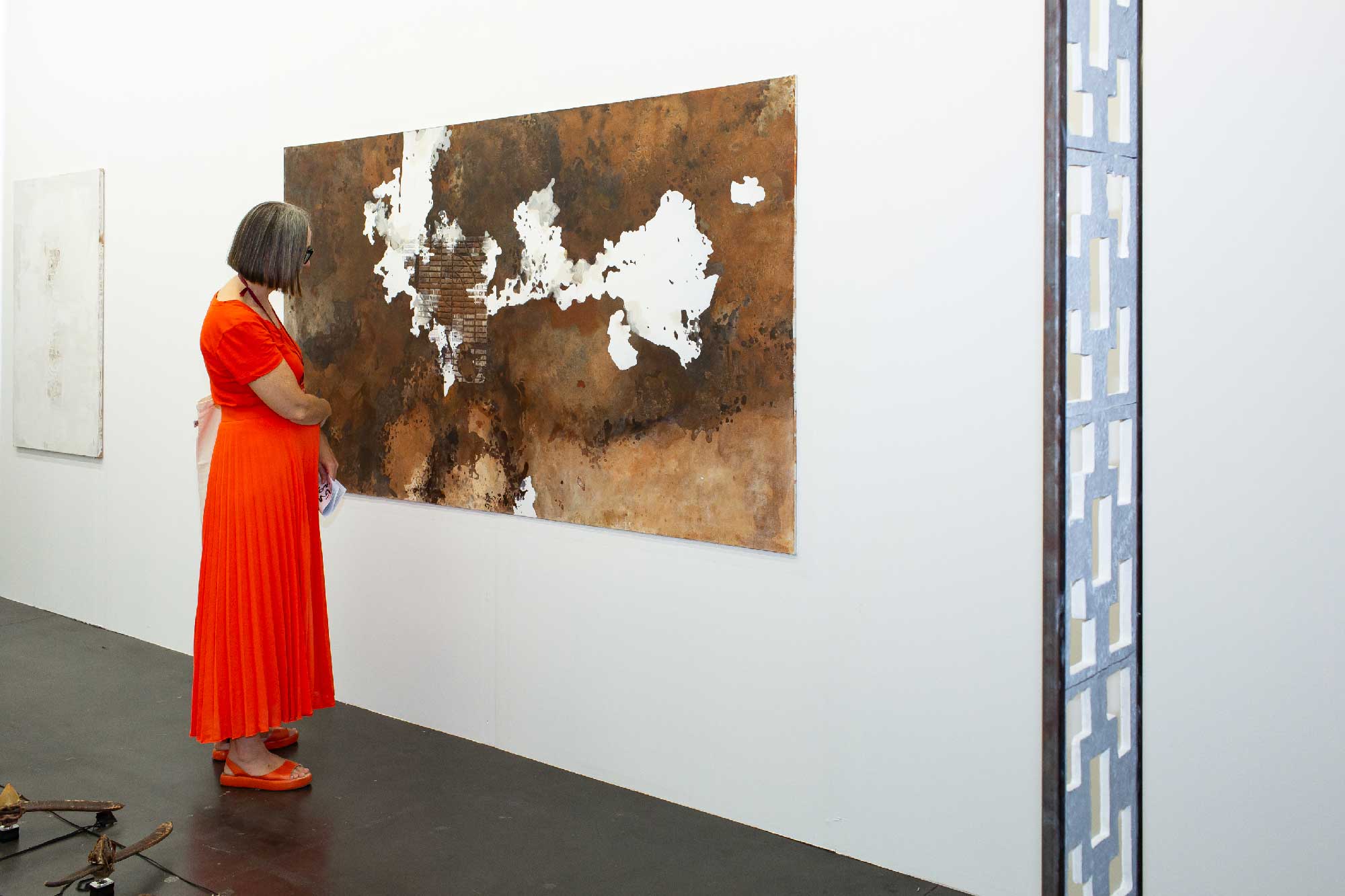
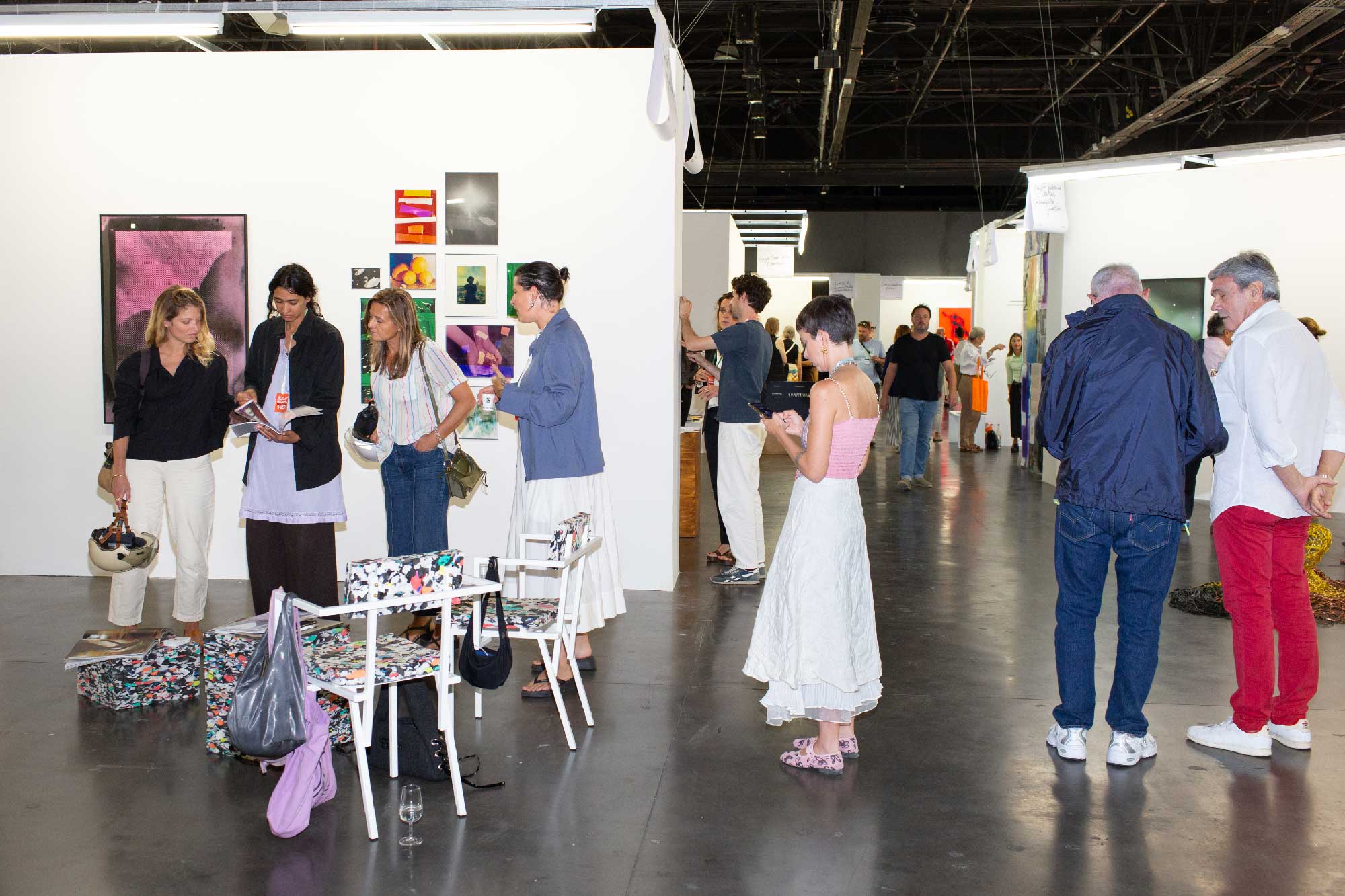
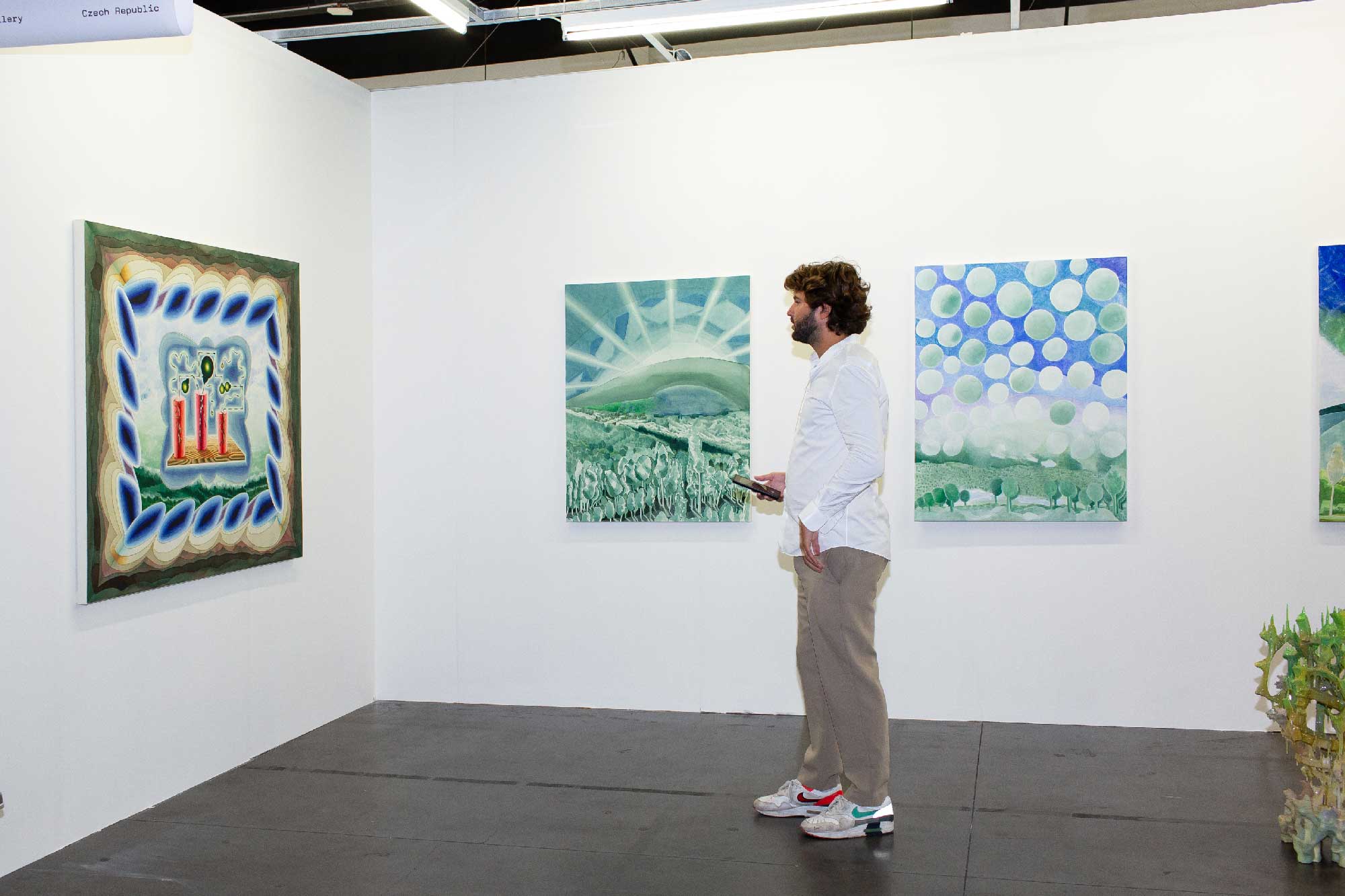
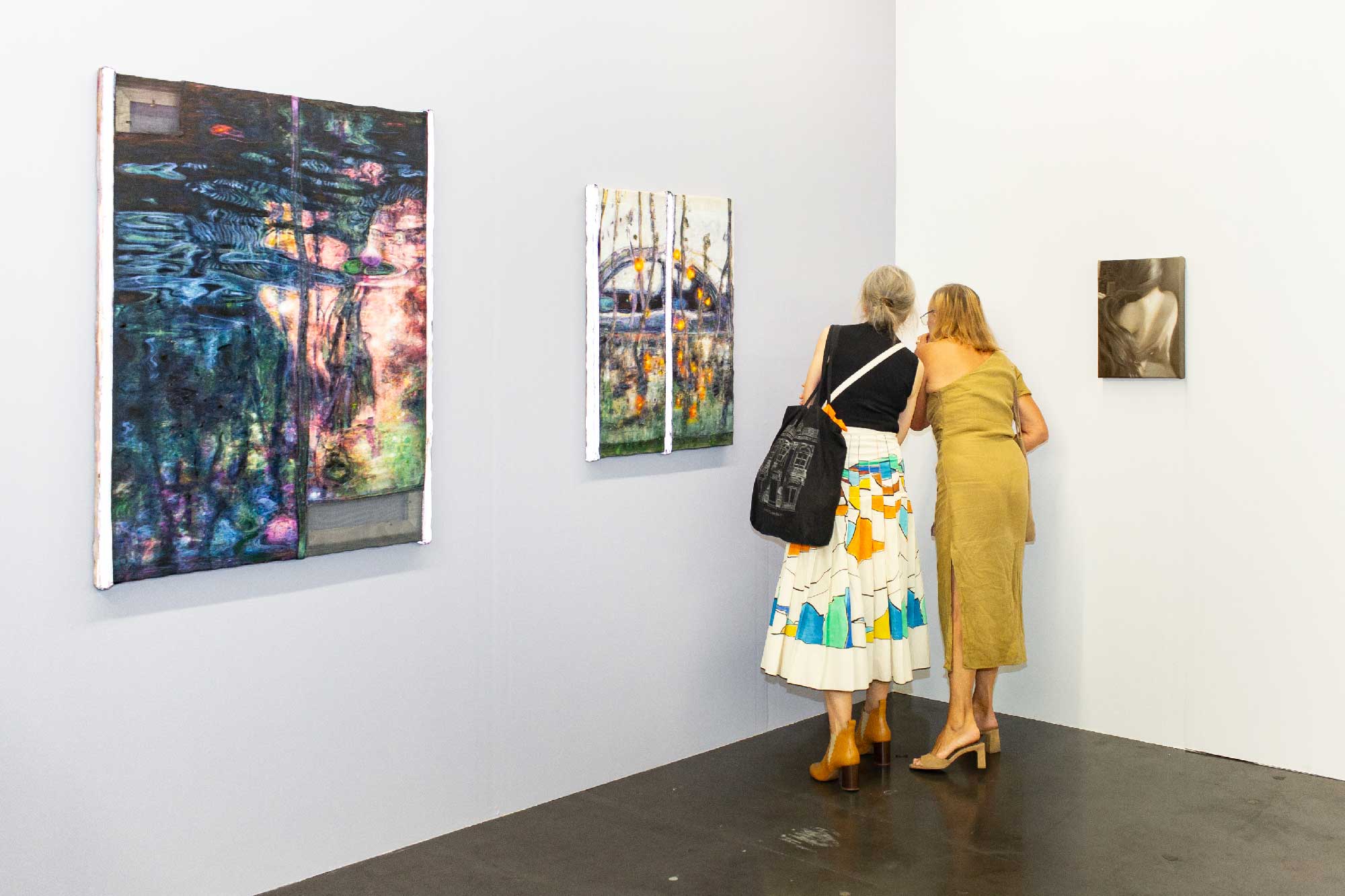
P.S.: You will celebrate your 20th anniversary next year. Looking at today’s Mediterranean art scene, what do you think has changed most profoundly since the fair’s early editions?
J.P.: Marseille and its region now attract a new generation of collectors, foundations and international cultural figures, as well as many artists. A great many people also come to discover this creative ecosystem. Since Marseille 2013, the city’s position on the European contemporary art map has changed considerably. Over the past 20 years, the art fair landscape has become far more crowded. That said, it is worth remembering that when we launched Art-o-rama, the scene was already quite dense and vibrant. In a highly competitive market, we have seen many events appear and then disappear, because not everything endures. But this competition is not limited to fairs. It also exists between galleries and even between artists.
P.S.: What were the fair’s early editions like?
J.P.: We began with five galleries. Gaïd and I knew there was interest in the project and that we could secure support from local authorities keen to help the event endure. Bringing in art-world figures from elsewhere creates real momentum for the region, as we had already seen with Art Dealers. Through Galerie Pailhas, we had also taken part in international fairs such as FIAC, Art Basel, The Armory Show and ARCO. We therefore had both experience as exhibitors and an established network. In October 2006, we approached galleries exhibiting in FIAC’s emerging section, and that is how it all began, on an invitation-only basis. Initially, galleries paid no participation fees. Setting high standards for the projects allowed us to make a rigorous selection. We grew gradually and refined the format, but the basic framework was already in place. Support from local authorities and corporate sponsors was essential to avoid placing the entire financial burden on the galleries. By easing that pressure, we were able to maintain high artistic standards. It was therefore clear that the production structure needed to operate as a non-profit organisation. At Friche la Belle de Mai, we found a supportive and dynamic ecosystem, surrounded by other organisations working in contemporary art. We created FRÆME in 2016 by merging the organisation behind Art-o-rama with Sextant et Plus, which developed exhibitions, public engagement programmes, new commissions and artist residencies. FRÆME continues to carry out all these activities today.
P.S.: Was it difficult to convince galleries and collectors at first?
J.P.: In the end, convincing international art professionals and artists has always been relatively easy. Marseille has always inspired curiosity among people from elsewhere. Convincing the French was more difficult. Marseille was a deeply disliked city for a long time. Some people still don’t understand it or simply don’t like it, but I feel that more and more people now enjoy coming here.
P.S.: Over the past 15 years, we have seen many new initiatives emerge in Marseille and the surrounding region. Within this increasingly vibrant landscape, what do visitors now expect from a fair such as Art-o-rama?
J.P.: The South has enormous appeal, and the collector landscape has grown considerably over the past ten or fifteen years. Château La Coste, Peyrassol, Carmignac, Luma, the Fondation Vincent van Gogh, Lee Ufan and now the Bustamante collection in Arles are all part of this development. New venues are continuing to emerge, such as Hôtel de Viguier, which is staging an exhibition with POUSH in Arles, and Grimm Gallery. The gallery, which already has spaces in Amsterdam, London and New York, opened an artist residency near Avignon this summer, conceived as a place for both living and creating. We believe visitors come to the fair first and foremost to discover and meet emerging galleries and new artists. Many of our exhibitors are taking part in their first fair, while some international galleries are attending their first fair in Europe. But the same audience also comes for the satellite events, other exhibitions, artists’ studios and artist-run spaces beyond the fair itself. We also organise tours outside the fair’s opening hours so that exhibitors can take part. These offer different opportunities to meet and connect, complementing rather than competing with the fair.
P.S.: Art-o-rama is also very much a social occasion, one of the first events where people come together again after the summer break, while Marseille still has a holiday atmosphere.
J.P.: Yes, I think people enjoy meeting up again and discovering high-quality presentations in a fairly relaxed atmosphere. Friche la Belle de Mai also plays an important role, with its large restaurant, open spaces, exhibition venues and shady places to unwind. On Friday and Saturday evenings, there are also rooftop parties with DJs.
P.S.: How long does the fair run?
J.P.: It runs for three days, from 28 to 31 August, followed by seven days of private tours covering as much of the region as possible.
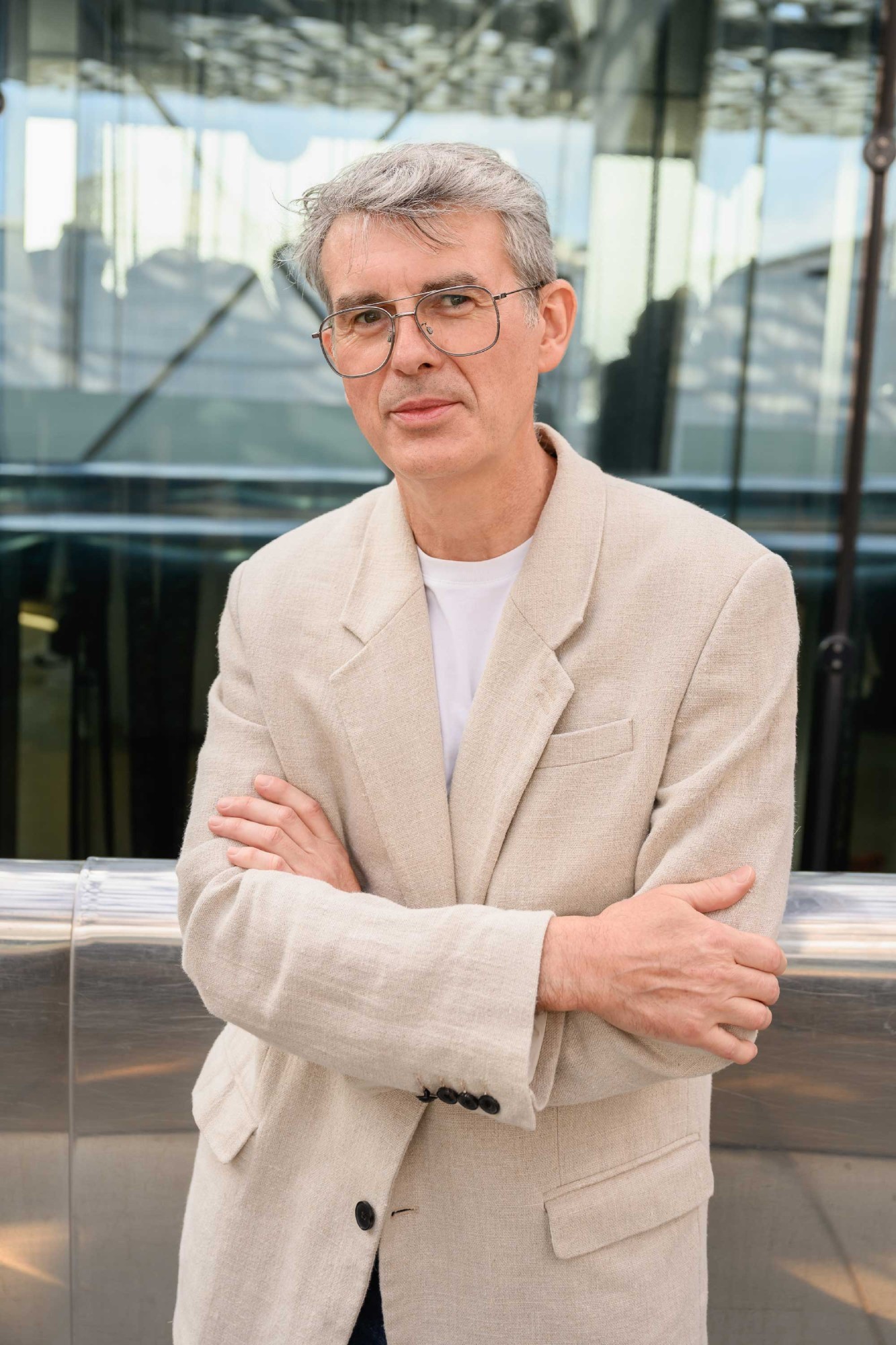
P.S.: You have long championed a highly curatorial approach to the stands. Like most art fairs, Art-o-rama now offers an increasing number of spaces for talks, performances and publishing, as well as sections presenting artists’ work almost in the manner of a studio visit. Tell us about Showroom, a section devoted to emerging artists who are often not yet represented by galleries.
J.P.: In 2009, from the fair’s third edition onwards, we decided to create a small section in which gallerists select an artist to be invited back the following year. The winner receives a production grant, a larger space at the fair and a catalogue. We call the section Showroom because its purpose is to forge connections between professional galleries and emerging artists from the region. It presents each artist’s practice and work as if in a showroom, although the artists often choose to make the space their own with a specific project. Since we do not have time to take the gallerists into their studios, we effectively bring the studio into the fair, creating opportunities for galleries from elsewhere to meet artists who live and work here.
P.S.: Within this highly competitive landscape, you also mentioned that many collaborations have developed over the years. What form do they take?
J.P.: Many collaborations have indeed emerged between galleries that first met while taking part in Art-o-rama. Galleries come to sell, but also to meet their peers and build relationships. Spiaggia Libera, which is now based in Marseille, is collaborating with Punta in Sofia, Bulgaria. This year, the Paris-based DS Galerie is presenting a joint project with London gallery xxijra hii, pronounced ‘SIGRAHI’. Its founder deliberately chose a name that would be difficult to pronounce in any language, specifying that people are free to say it however they wish. Sophie Tappeiner in Vienna also regularly collaborates with Triangolo, based in Cremona, Italy, on joint projects and contemporary art fairs. Another example is London gallery Season 4, Episode 6, which is collaborating with LAILA in Sydney. All of this reflects the connections being forged across different regions.
→ Art-o-rama, from 28 to 30 August 2026 at Friche la Belle de Mai, Marseille.
→ Discover our art trail through Marseille, Aix-en-Provence and the surrounding area.