The art of hospitality at Collection Lambert
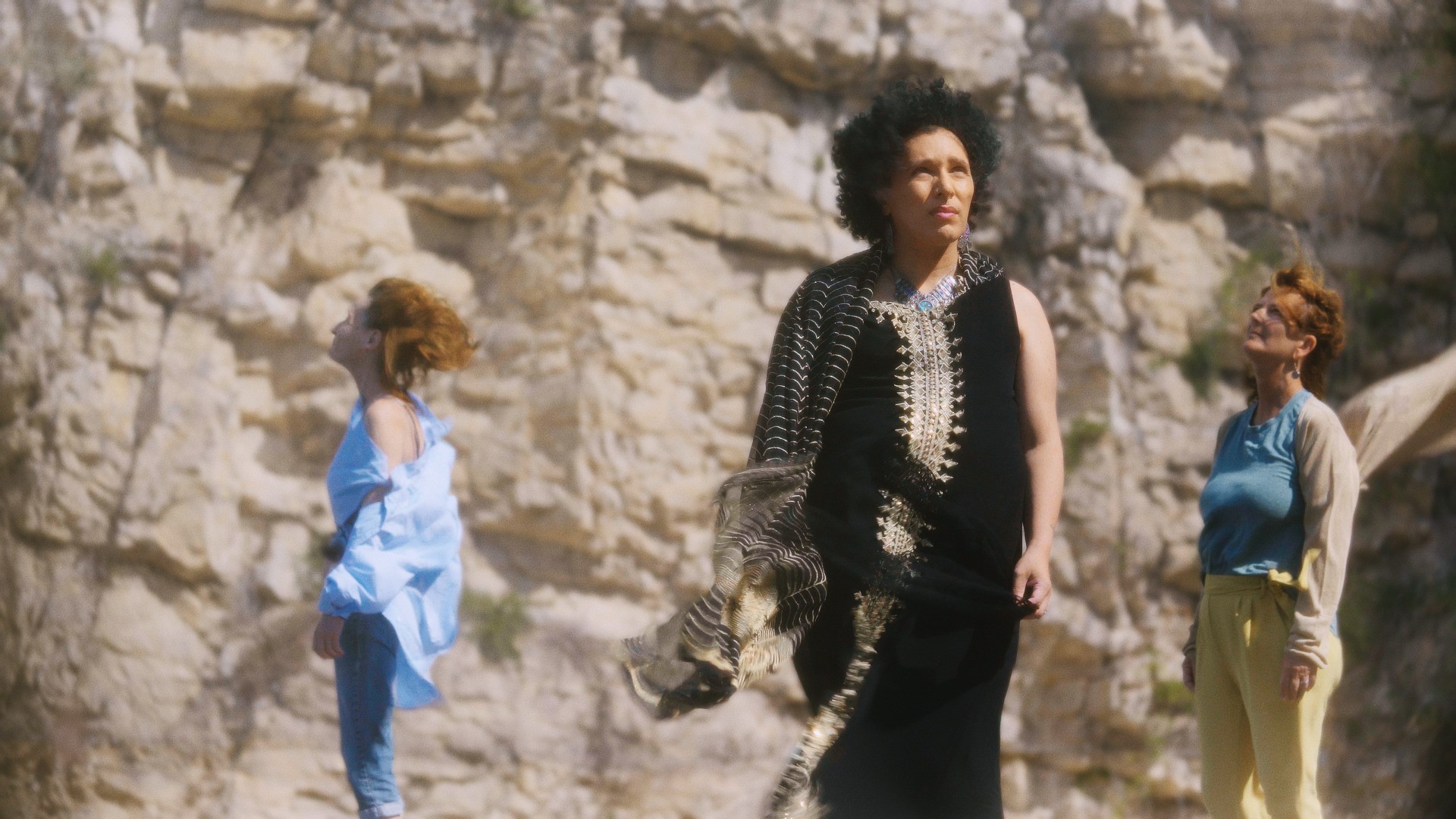
When artworks open up spaces for connection, creativity and dialogue, the museum becomes a place where relationships are woven and community takes shape.
On 15 October, Collection Lambert and CSAPA Addictions France are hosting a day exploring how cultural venues can become spaces of hospitality and empowerment. Panel discussions, workshops and tours of the permanent collection invite participants to explore the connections between art and care, while being mindful of themselves, others and their surroundings.
It is also an opportunity to discover Écho et Zéphyr, an exhibition born from artists’ work with residents of supported housing.
→ Collection Lambert, Avignon. Thursday 15 October, 1.30pm–7pm. In collaboration with CSAPA Addictions France. Free, booking required.
3 bis f: a hub for live arts within a psychiatric hospital
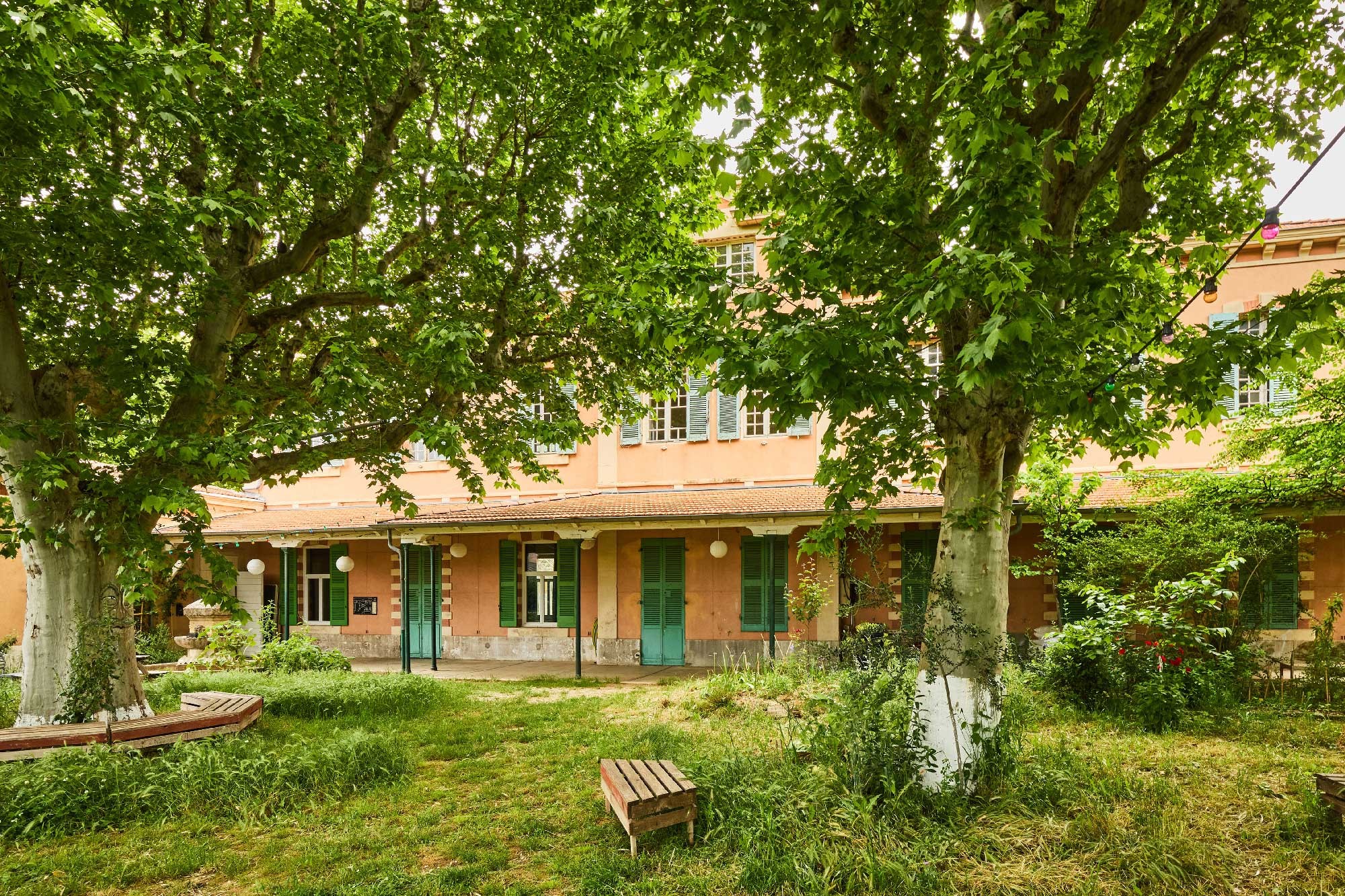
In Aix-en-Provence, within the grounds of Montperrin psychiatric hospital, 3 bis f brings together artistic creation, care and civic life, creating spaces where inpatients, people receiving care, healthcare professionals, artists and local residents can connect in new ways.
In its Participatory Art and Experimental Garden, this attention to others takes shape through shared activity: alongside landscape designers Margaux Tissot and Isabelle Jacquelin, participants grow food, experiment and tend the garden together. This approach continues through conversation in the Art, Care, Citizenship discussion group, a monthly gathering where participants draw on their own experiences to explore the connections between art and care, vulnerability and ways of tackling stigma.
Two spaces, one outdoors, the other devoted to discussion, to nurture connections and make care a shared endeavour.
→ 3 bis f, Aix-en-Provence. Upcoming sessions: participatory garden on 28 October, 2pm–5pm; discussion group on 29 October, 12 noon–1.30pm.
At Châteauvert, caring also means keeping watch
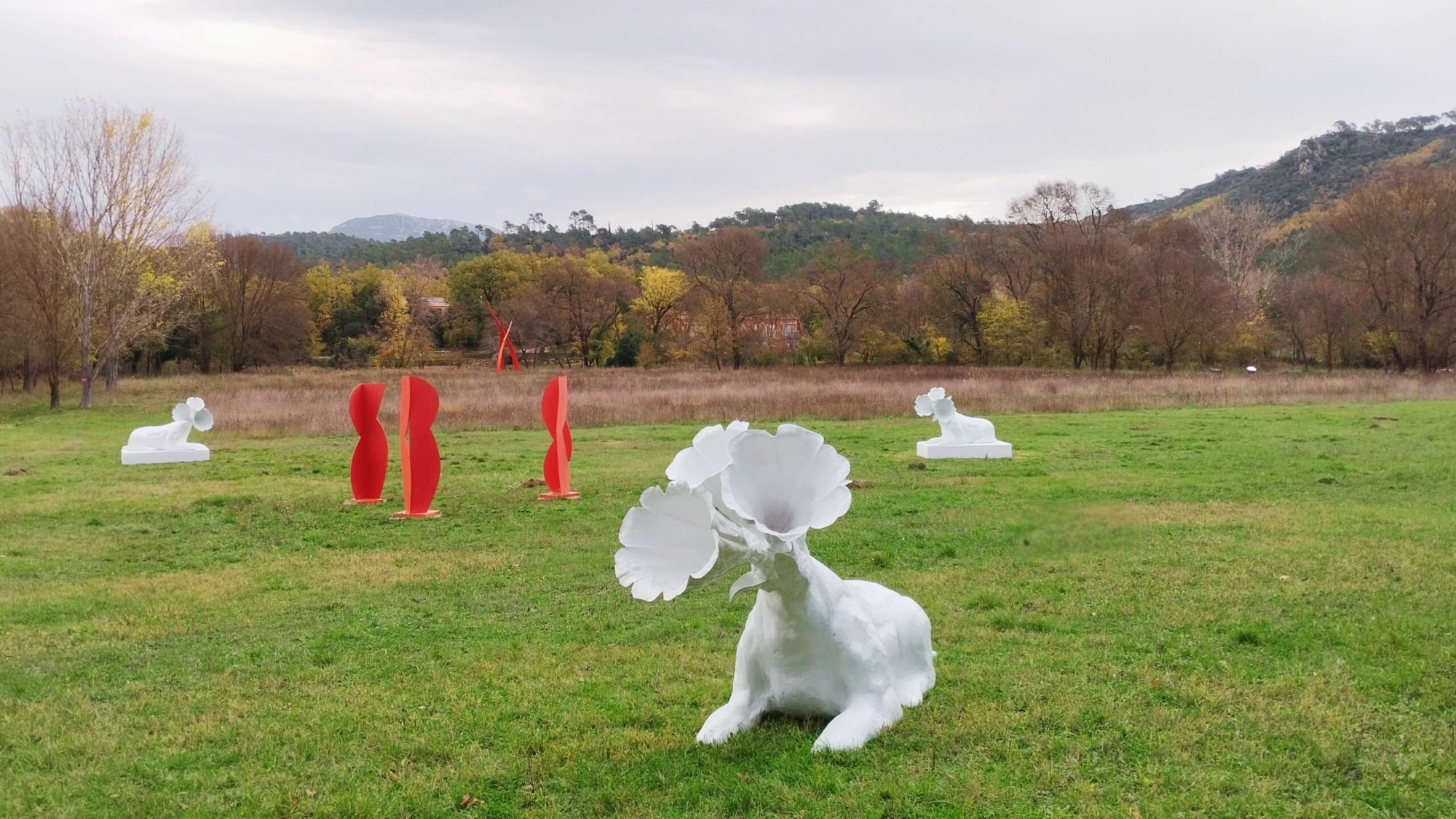
Paying attention to our surroundings, protecting, keeping watch… In the sculpture garden at Châteauvert Contemporary Art Centre, three Cerbères by Elias Kurdy reimagine the mythological guardian of the Underworld, transforming its meaning.
The artist replaces the three menacing heads with bouquets of flowers. The monster loses its fangs and fury: its floral heads no longer threaten, they keep watch.
Installed in the gardens for a year, the sculptures have a particular resonance at Châteauvert, where nature is an integral part of the programme. Exhibitions, artworks and landscape invite a fresh look at the relationship between art and the living world.
→ Châteauvert Contemporary Art Centre, Var. Elias Kurdy’s Cerbères in the garden, freely accessible throughout the year.
At Domaine du Rayol, the ecology of our relationship with the earth
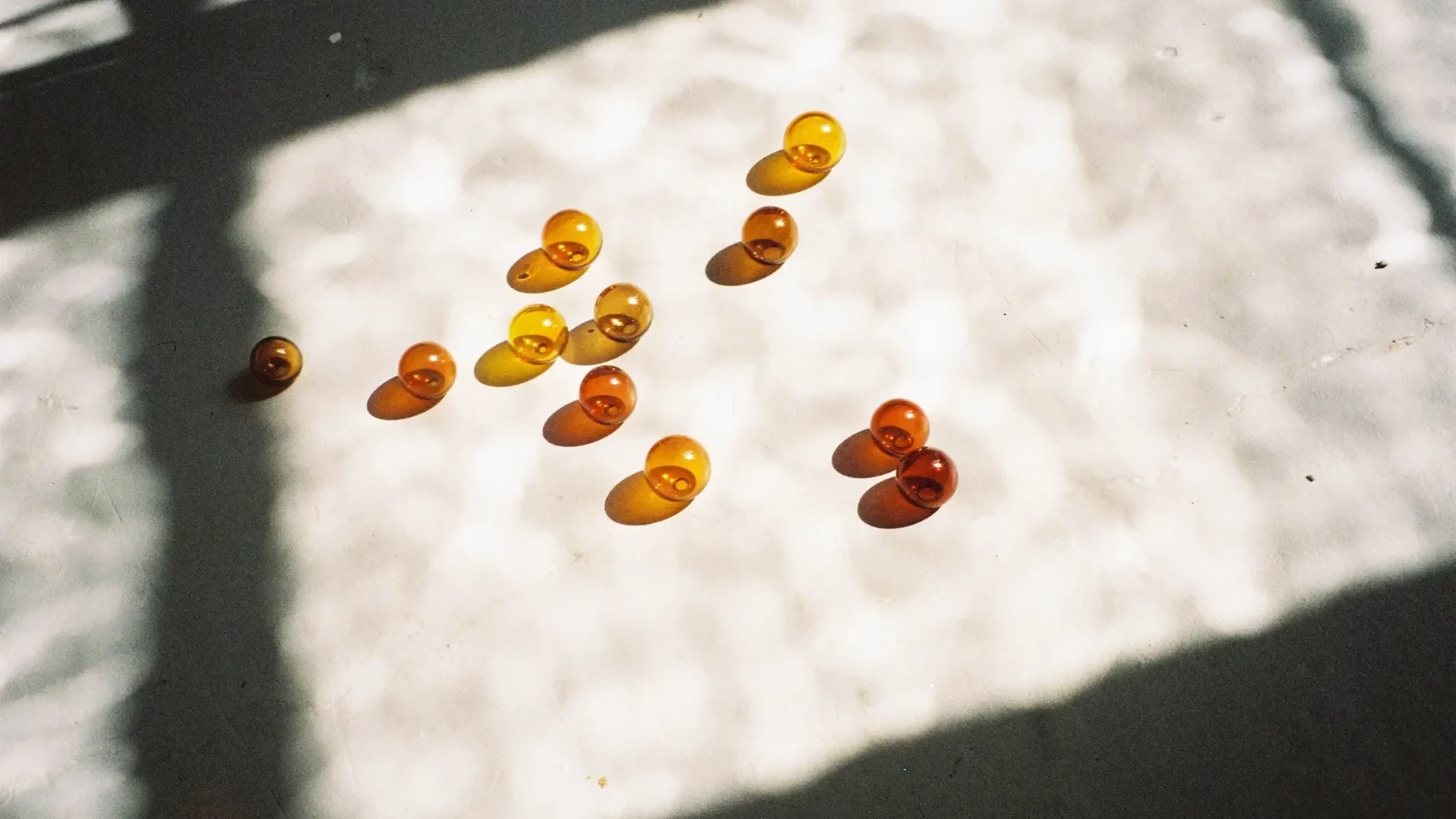
In the Jardin des Méditerranées, exhibitions and residencies explore the connections between people, plants and marine environments, building on Gilles Clément’s experimental garden.
Through the Entre-Autres residency, an artist and a researcher work together to explore how the living world communicates: signals, vibrations, scents… Six weeks of observation and experimentation, shared with secondary school students, local residents and visitors.
This autumn, this dialogue between art and science continues with Pauline Beck. Drawing on research at the Graineterie of France’s National Museum of Natural History, her exhibition Prendre le fruit par le noyau explores seeds, germination and the role of water and light. An invitation to take a closer look at what grows.
→ Domaine du Rayol, Rayol-Canadel-sur-Mer, until 29 November 2026.
CACN: listening to be moved
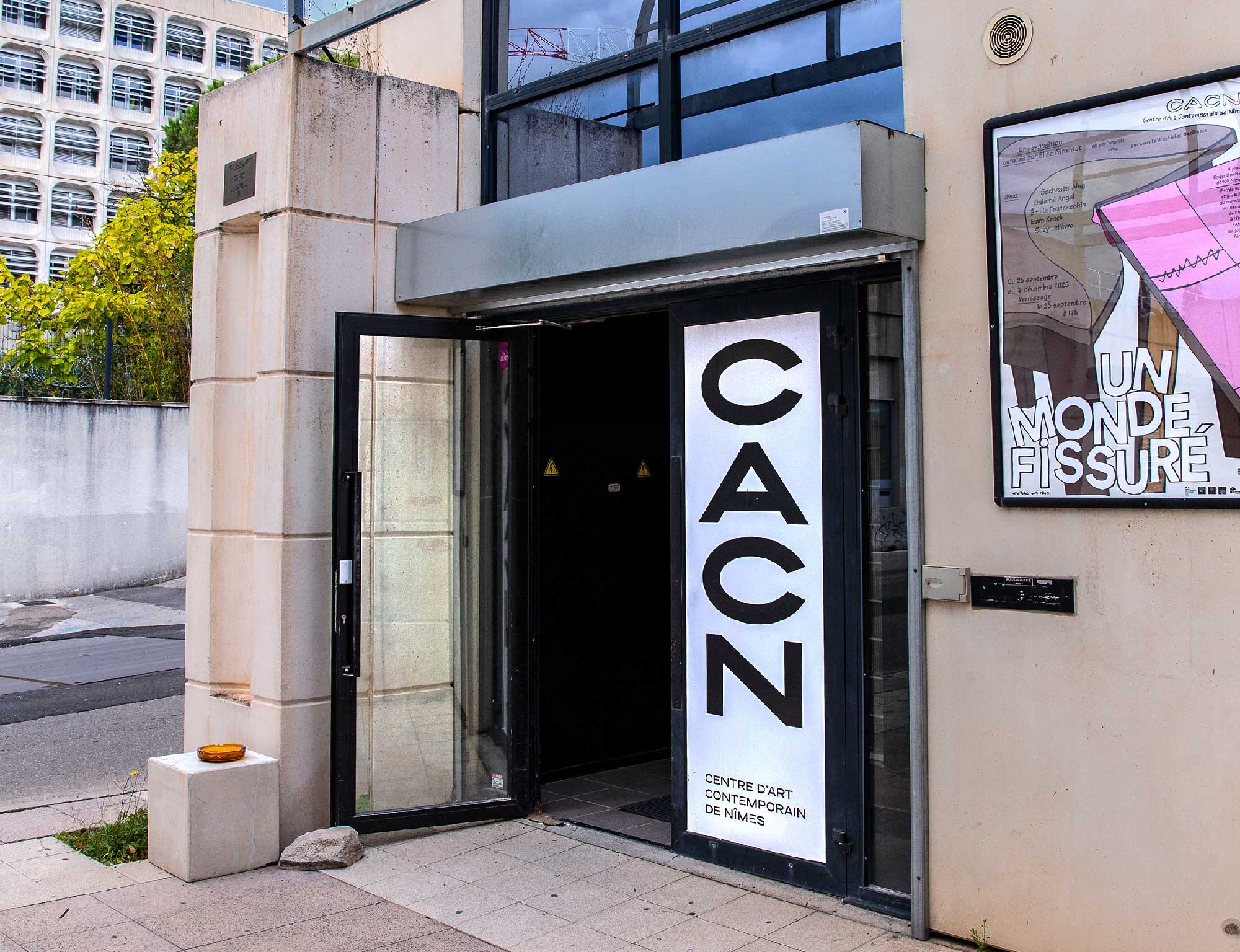
What if paying attention began simply with listening? In Nîmes, CACN’s Visites tout ouïe offers another way to engage with art: tours built around music and sound that engage the senses and emotions through listening.
A way to slow down, be mindful of our own perceptions and those of others, and make the visit a shared moment. Here, art becomes a space for listening, both literally and figuratively.
→ CACN – Nîmes Contemporary Art Centre. Visites tout ouïe, 14 and 16 October at 3pm. Free, booking required.
At Frac Sud, caring for our connections to the living world
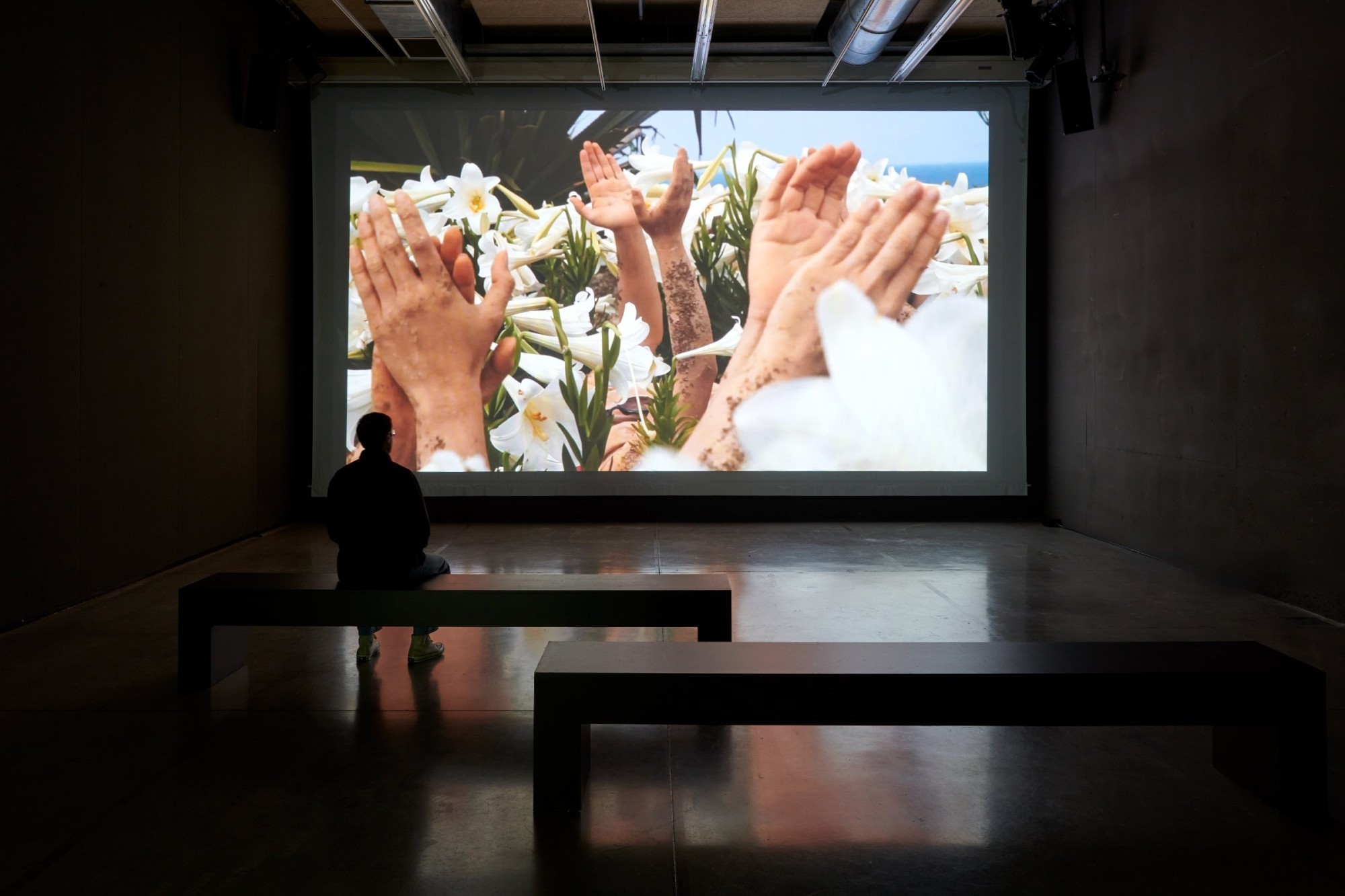
With L’Écologie des relations – La Forêt amante de la mer, Frac Sud brings together several generations of Japanese artists around the bonds of emotion, ecology and memory that tie us to the environments we inhabit.
The exhibition takes as its starting point Japan’s triple disaster of 11 March 2011 — the earthquake, tsunami and Fukushima nuclear accident — and its personal, social and environmental consequences. The works explore what remains after such upheaval: memory, attachment to places, relationships between humans and the non-human world, as well as ways of repairing and reimagining these now fragile bonds.
→ Frac Sud – Cité de l’art contemporain, Marseille. L’Écologie des relations – La Forêt amante de la mer. Until 15 November 2026.
At Carré d’Art, creating, listening and working together
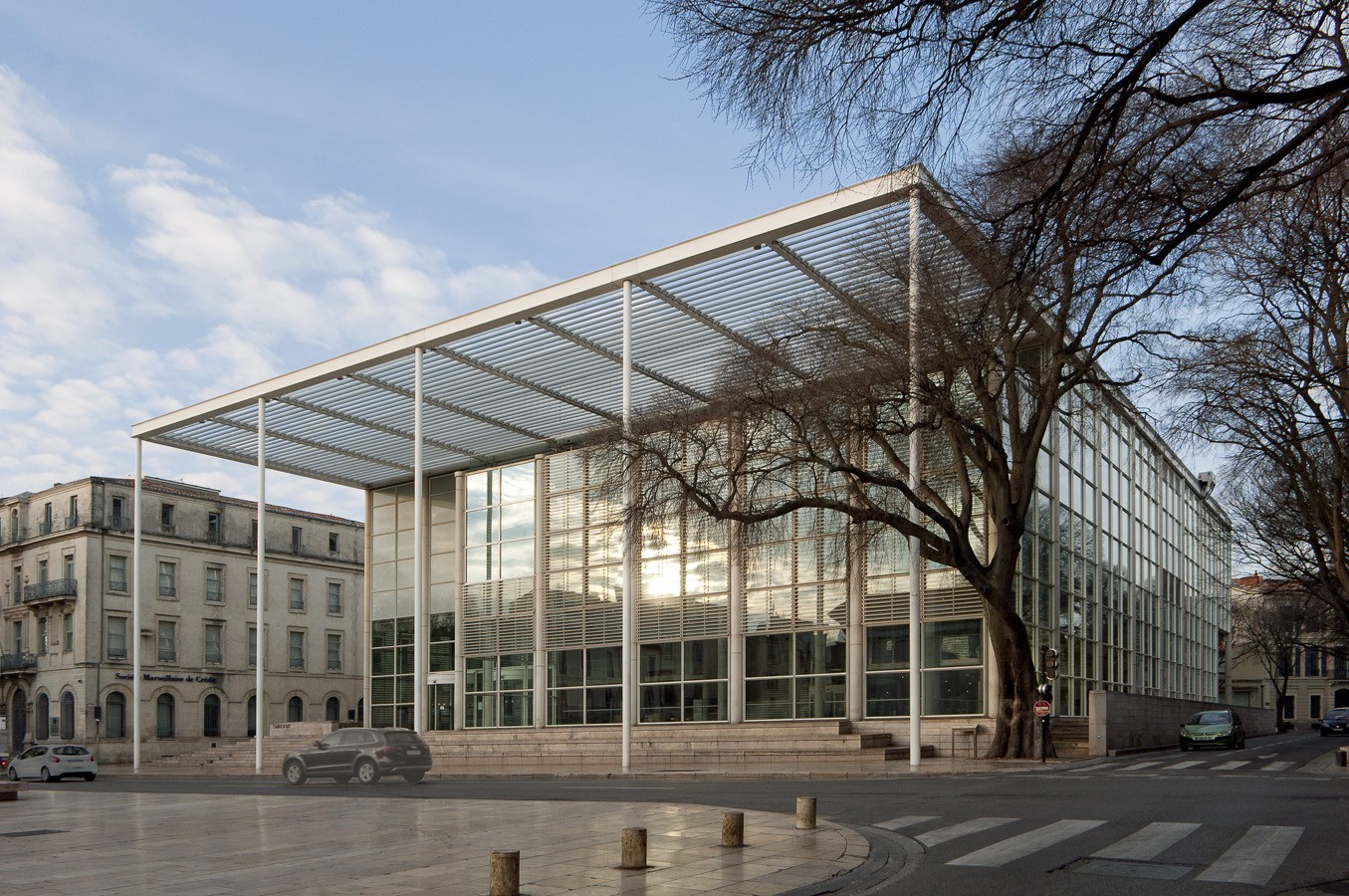
What if art could also help us listen more closely to other people’s experiences? In Nîmes, Carré d’Art uses creativity and conversation to bring people together, encourage sharing and shift perspectives.
A large participatory mural invites visitors and families to contribute freely to a collective artwork, while the Human Library offers a more intimate encounter: visitors “borrow” a person rather than a book, listening to a chapter of their life before opening a dialogue. The programme continues with a concert by UnsDifférents, a Nîmes band bringing together disabled and non-disabled artists around a repertoire they compose and perform together.
→ Carré d’Art, Nîmes, 9 October: participatory mural: 10am–5pm; Human Library: 10.30am–12.30pm; UnsDifférents concert: 6.30pm–8pm.
At Villa Arson, art offers a space for care and listening
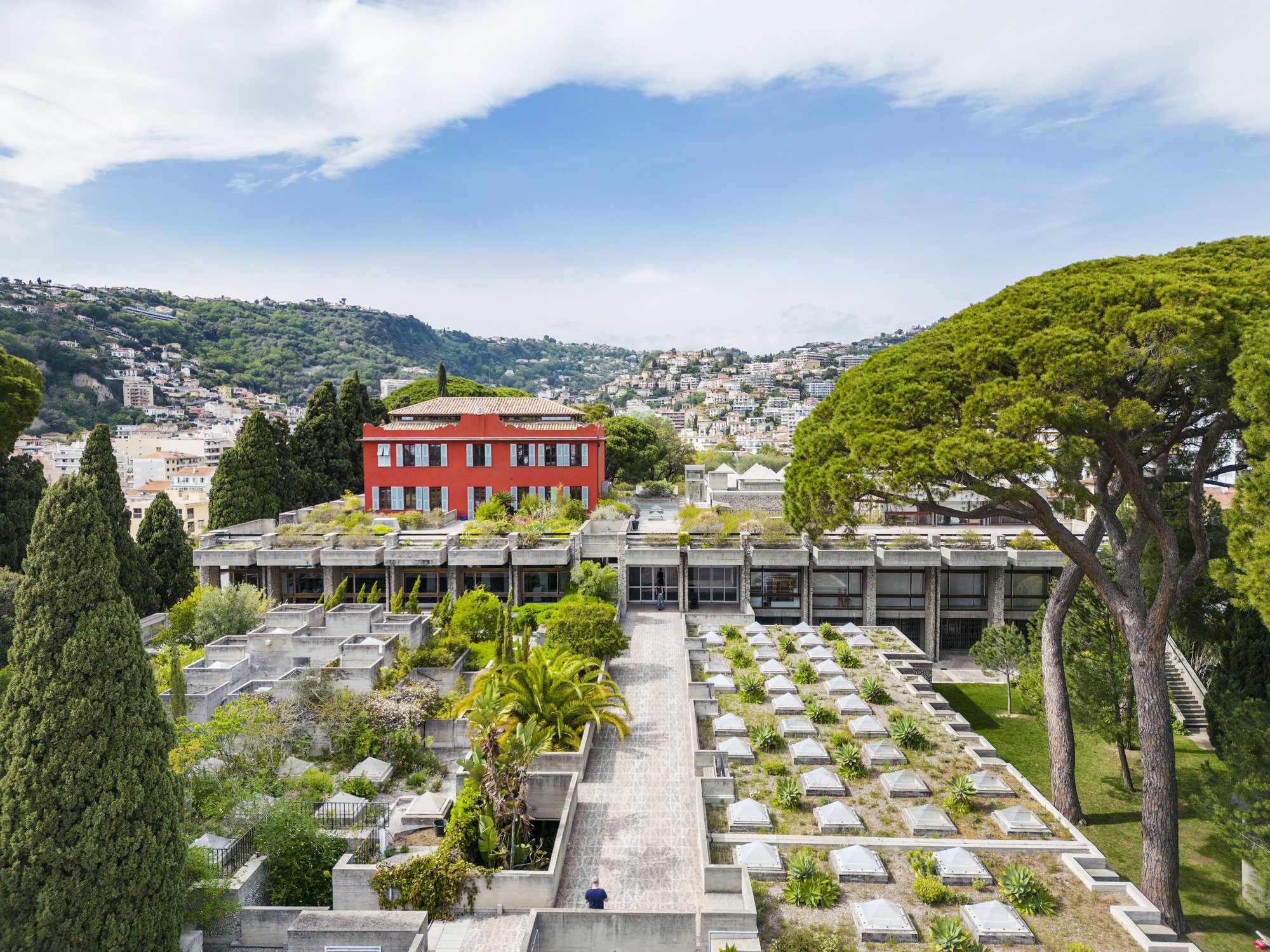
Turning an art venue into a space where people can also talk, be heard, create and care for themselves and others: on 8 October, Villa Arson in Nice hosted a Mental Health Village bringing together community organisations, healthcare professionals and support services.
The programme included discussions on prevention, access to care, mutual support and rights, alongside artistic and physical activities. Les Artvéoles offered a Ruche d’Art, an open painting and drawing workshop, while HUMANHOOD invited participants to try Sync, a movement meditation workshop.
→ Villa Arson, Nice, Mental Health Village, 8 October 2026. Free admission.
At Espace Monte-Cristo, paying attention to others
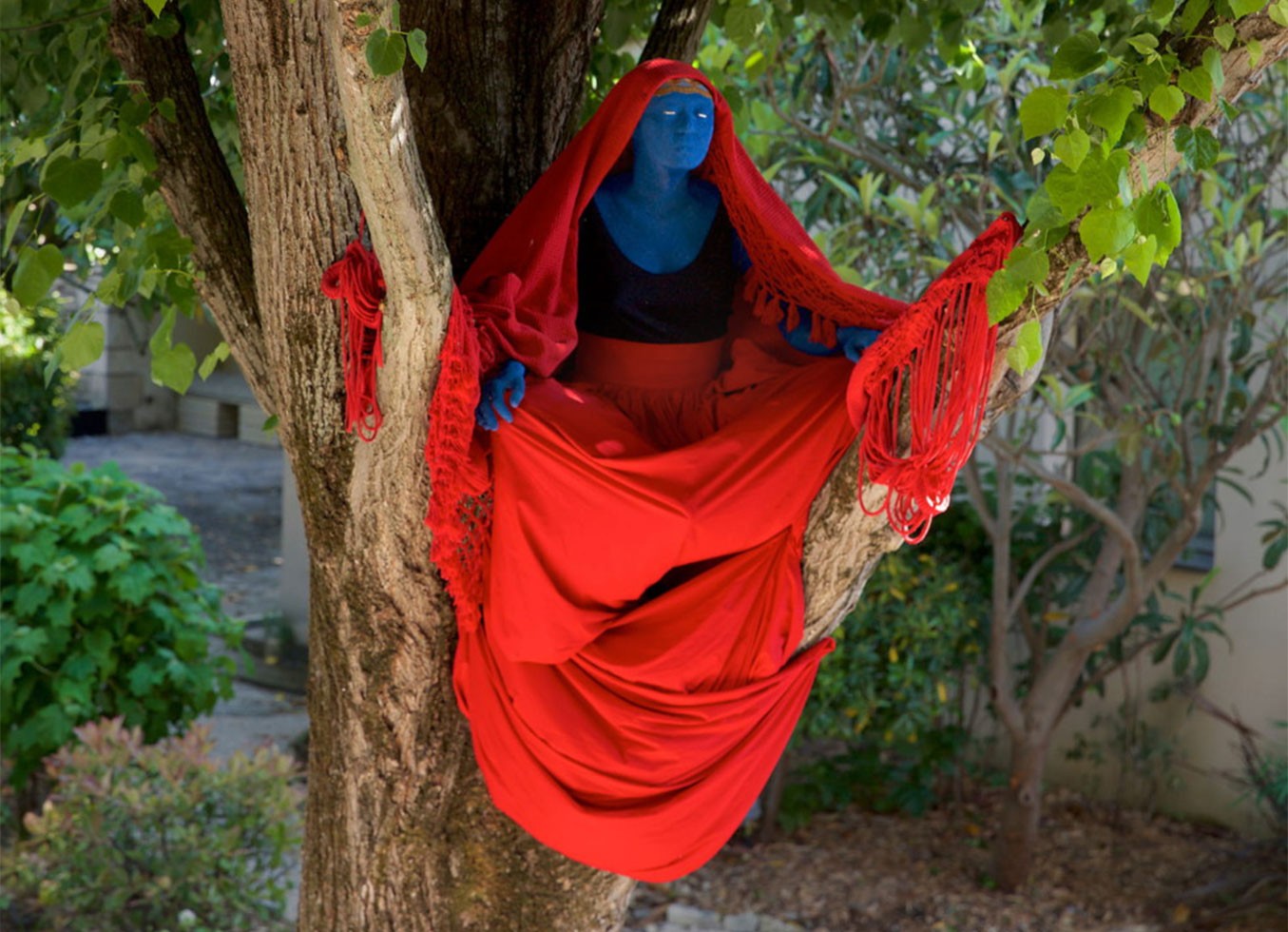
Giving voice to what often goes unsaid, being attentive to other people’s vulnerabilities and experiences, creating spaces where we can be together: art can also be a way of caring.
With Diseuses de silence, Espace Monte-Cristo brings together works by 21 women sculptors exploring the body, intimacy, memory and vulnerability. Niki de Saint Phalle, Prune Nourry, Miss.Tic, Anita Molinero, Suzanne Husky, Kubra Khademi, Jeanne Vicerial… a range of perspectives on what makes us vulnerable, but also on what connects us.
Also on display is Isthme noir, Yosra Mojtahedi’s immersive carte blanche: a sensory, organic environment where the human body meets the plant world.
→ Espace Monte-Cristo, the Paris branch of Fondation Villa Datris, in the 20th arrondissement. Diseuses de silence, until 13 December 2026. Free admission.