Centre d’Art Contemporain de Châteauvert
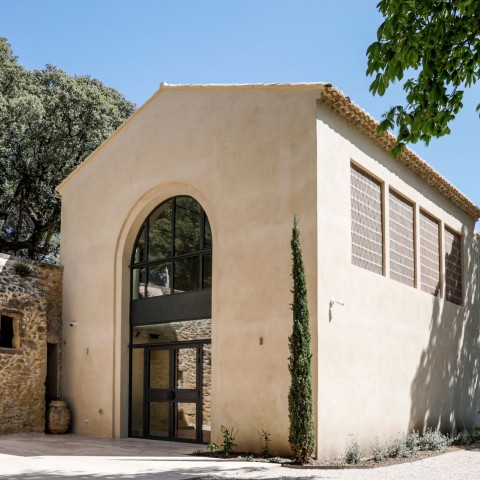
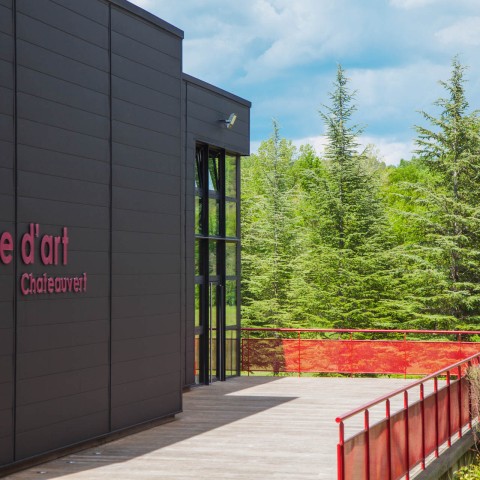
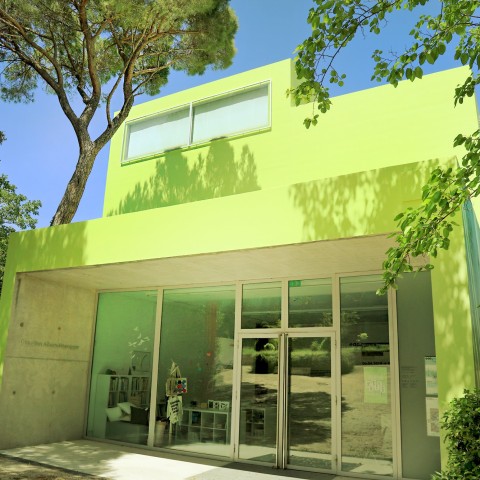
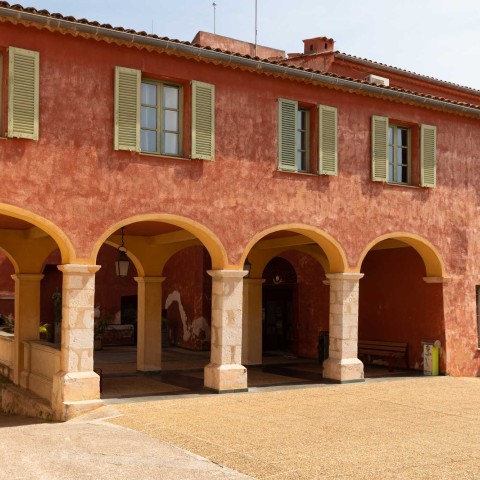
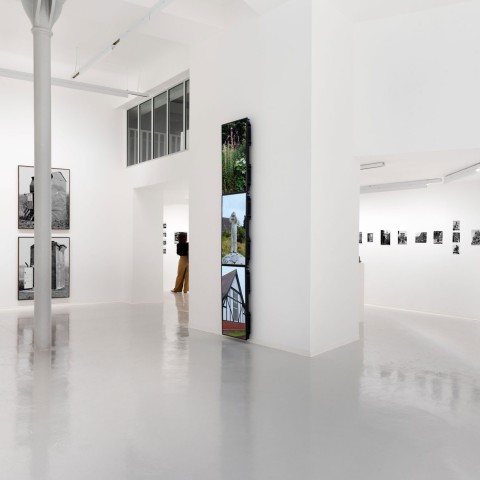
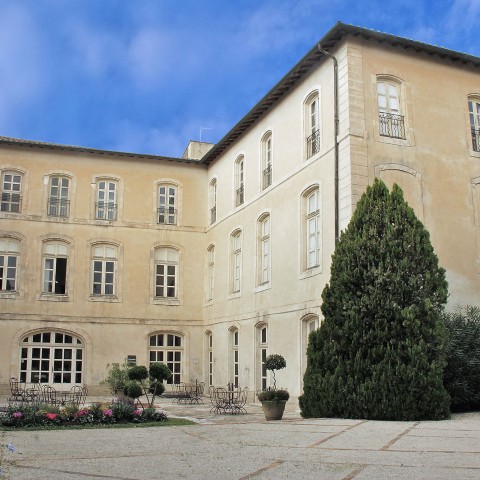
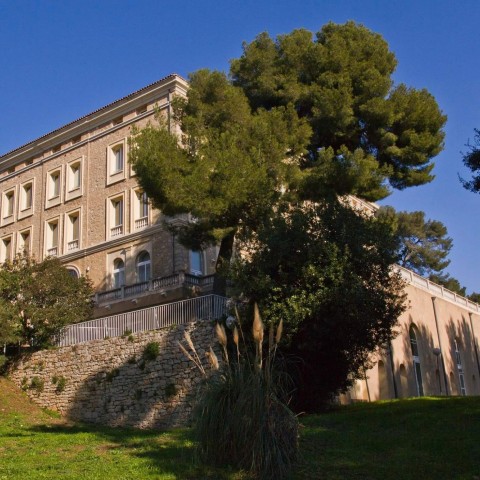
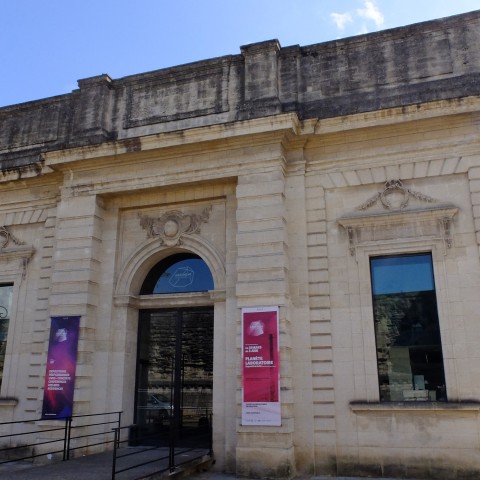
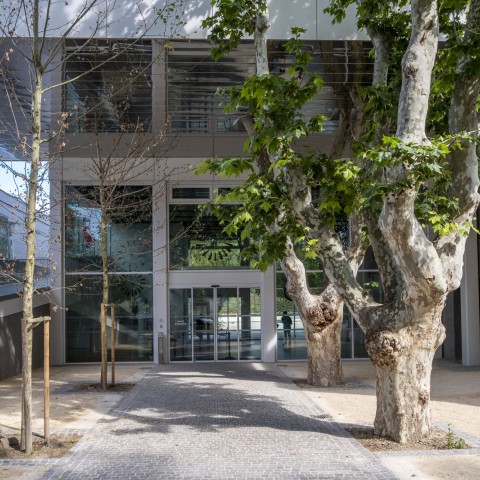
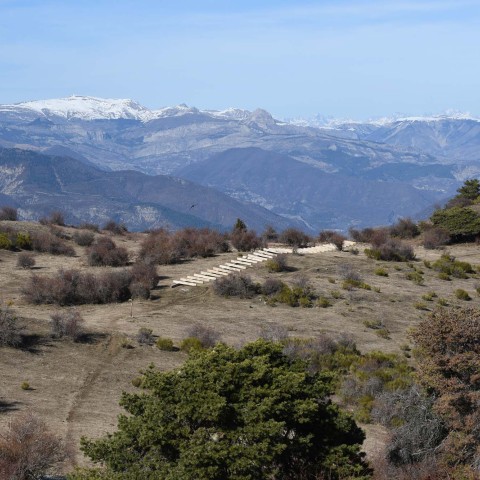
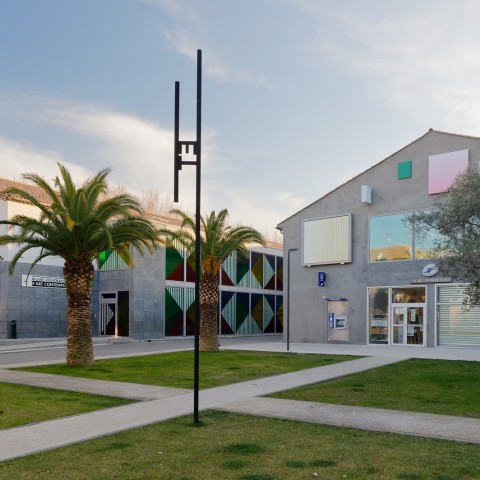
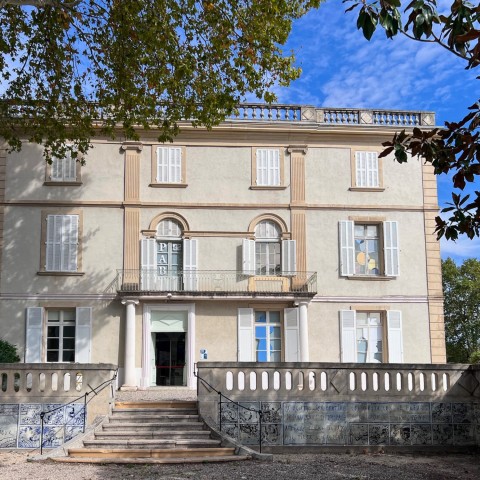
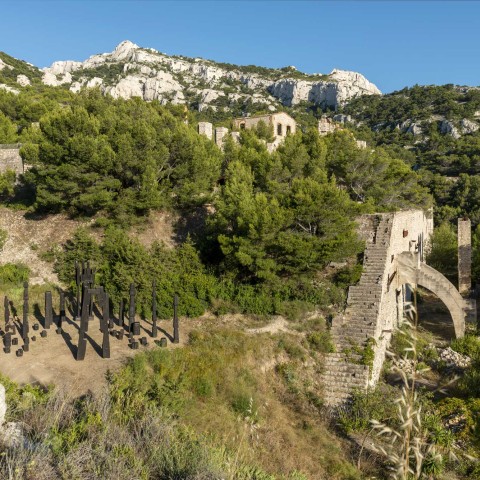
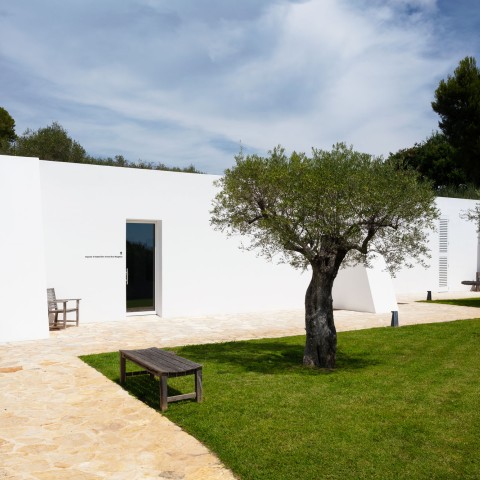
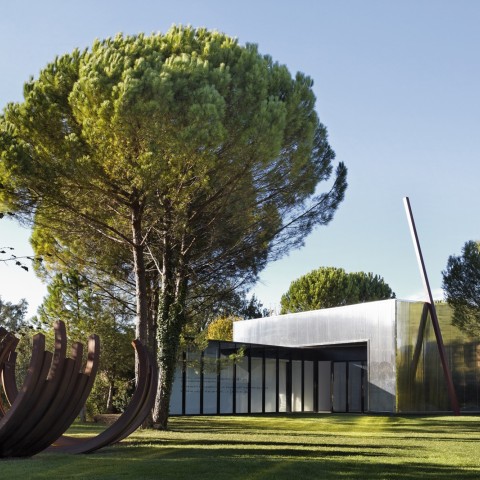
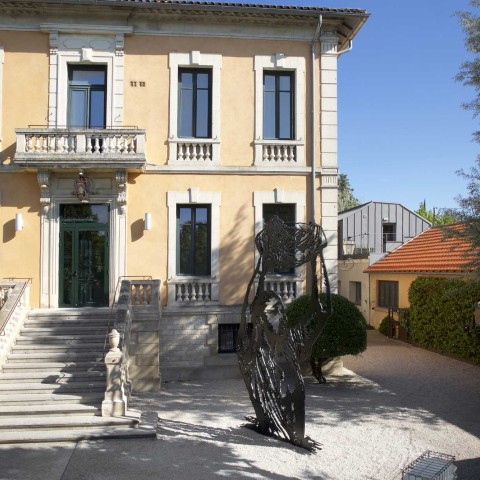
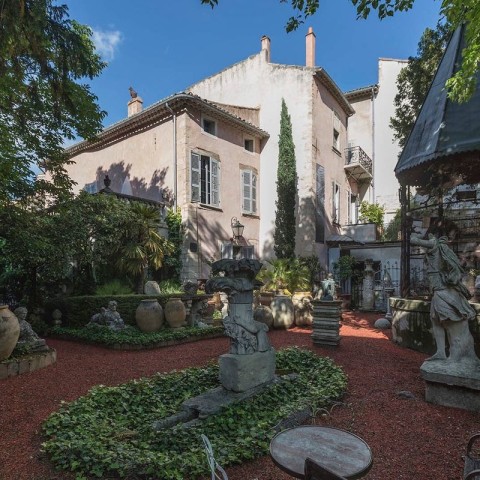
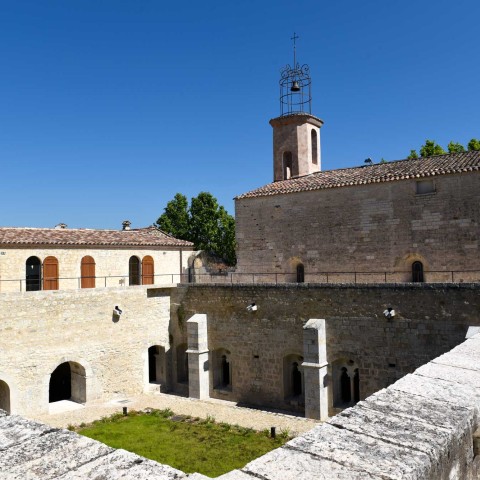
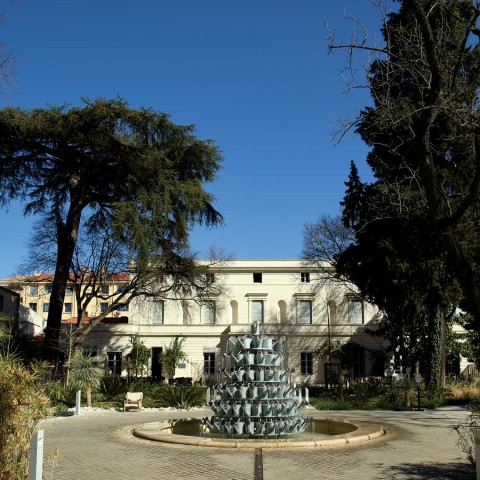
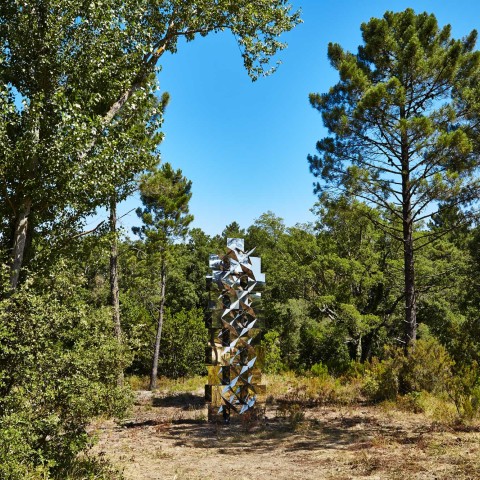
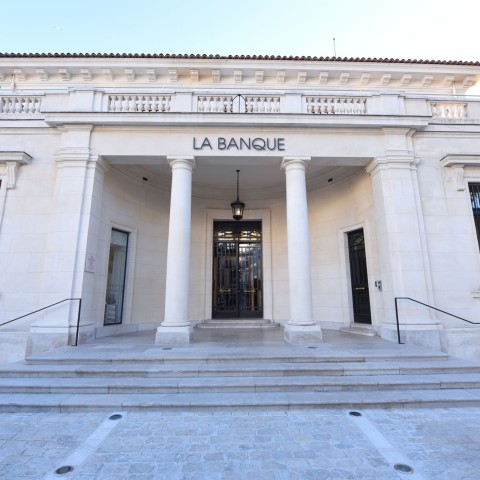
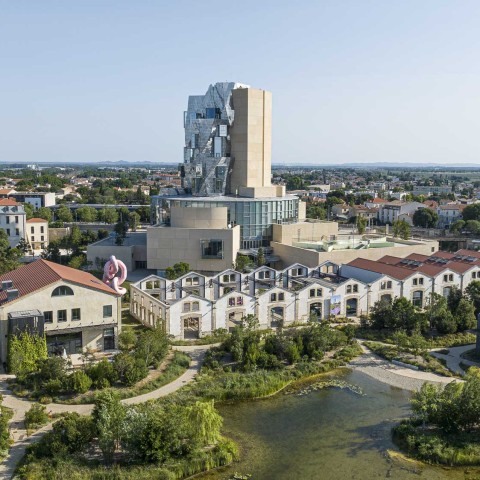
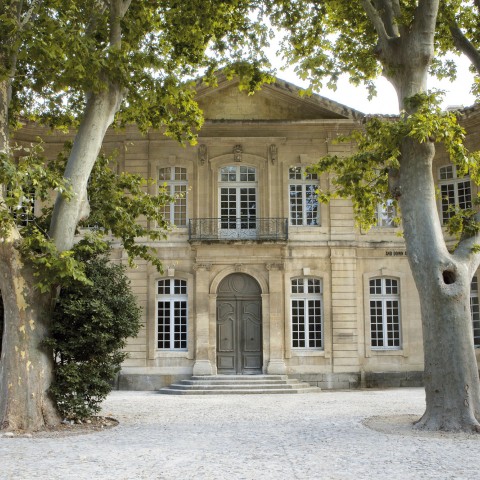
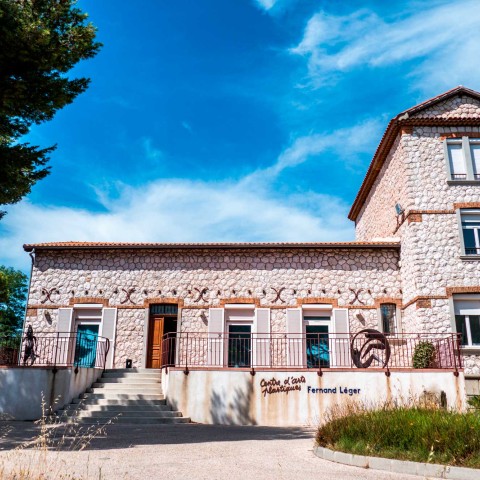
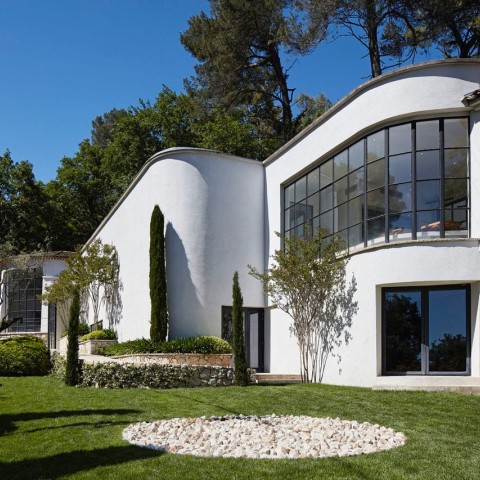
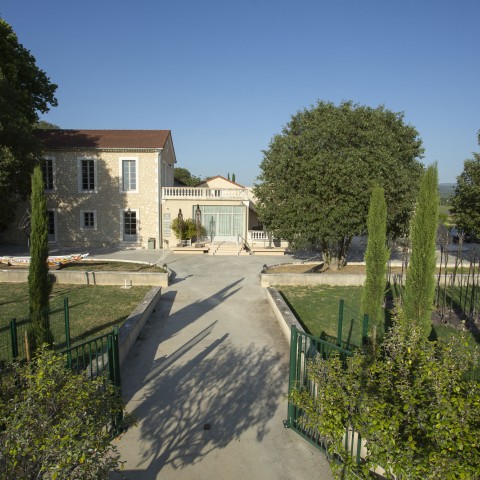
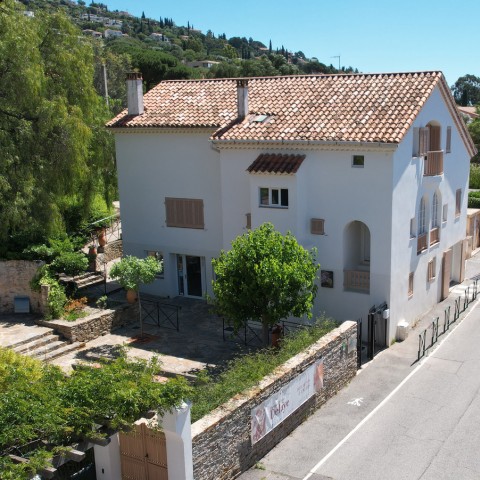
At the crossroads of the Provence Verte, arts and nature combine… The contemporary arts centre of Châteauvert invites us to stroll and daydream among its temporary exhibitions and the sculptures populating its garden. To the rhythm of the Argens, a river sometimes peaceful, sometimes whimsical, the arts centre thrills contemporary creation in a spirit of discovery and sharing. The projects are sprouting up with the residencies of artists who create on-site works, in harmony with the garden environment.
The contemporary art centrer of Châteauvert is a public cultural estblishment of agglomération Provence Verte.

At the crossroads of the Provence Verte, arts and nature combine… The contemporary arts centre of Châteauvert invites us to stroll and daydream among its temporary exhibitions and the sculptures populating its garden. To the rhythm of the Argens, a river sometimes peaceful, sometimes whimsical, the arts centre thrills contemporary creation in a spirit of discovery and sharing. The projects are sprouting up with the residencies of artists who create on-site works, in harmony with the garden environment.
The contemporary art centrer of Châteauvert is a public cultural estblishment of agglomération Provence Verte.
Programme
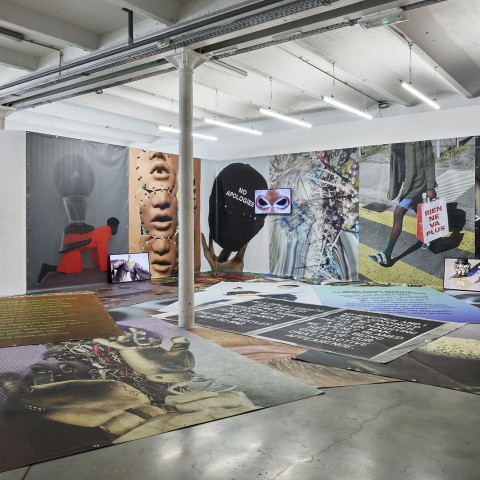
Skies, Lands, Seas, Fires: An Atlas of Metamorphoses Sara Ouhaddou and Younes Rahmoun.
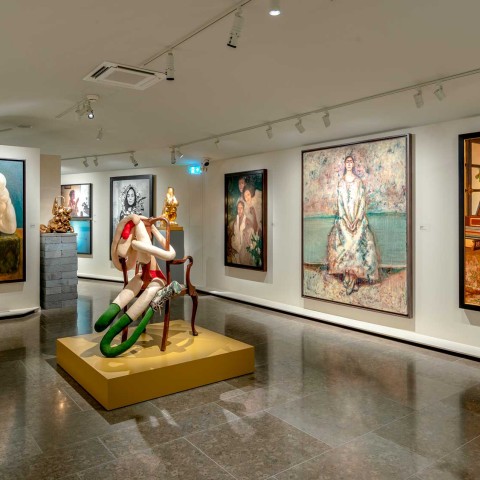
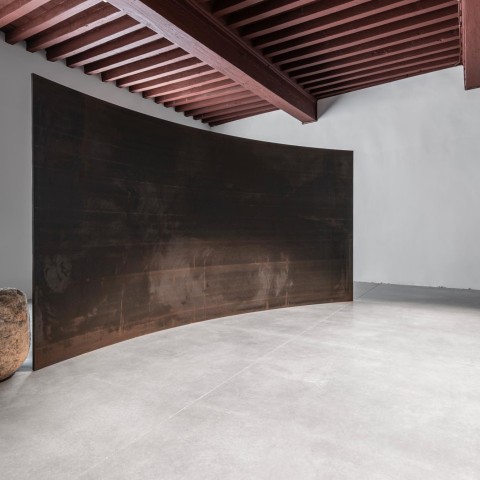
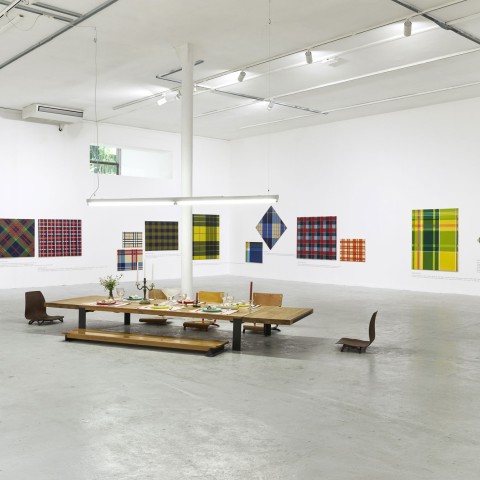
At the crossroads of elements and worlds, the Mediterranean forms a landscape where forms, beliefs and practices have been constantly changing. The exhibition explores this ever-evolving heritage through an atlas of metamorphoses: skies as mirrors of the imagination, lands as living archives, waters as a medium of circulation… The two artists bring this atlas to life. Rooted in craftsmanship and spirituality, their work weaves a Mediterranean narrative in which tradition and modernity illuminate each other.
With the support of the Institut Français as part of the Mediterranean Season, the Direction Régionale des Affaires Culturelles PACA and the Région Sud PACA.
Elias Kurdy’s Cerberuses in the Garden
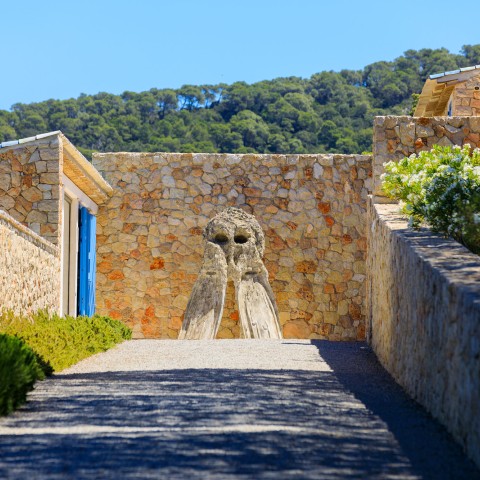
Open and free to the public all year round, the sculpture garden of the Châteauvert Contemporary Art Centre is hosting three of Elias Kurdy’s Cerberuses for one year.
These works revisit and transform the mythological figure of the guardian of the Underworld. In place of Cerberus’s three howling heads, three fully blossomed bouquets emerge. The monster, stripped down to a motionless whiteness, seems to have lost its original function: no more fangs, no blazing gaze — only blooms that disarm its former fury. Once responsible for keeping wandering souls at the threshold of the realm of the dead, Cerberus becomes here a paradoxical creature: its floral heads no longer threaten, they watch.
Born in Damascus in 1990 and now based in Marseille, Elias Kurdy first studied architecture before training at the School of Fine Arts. His practice, nourished by history and fiction, plays with illusion and imbalance. Blending sculpture, drawing and traditional materials, he revisits classical heritage to question what we choose to pass on — and what may be lost.
Access
Centre d'art contemporain de Châteauvert
460, chemin de la Réparade
83670 Châteauvert
+33 (0)7 81 02 04 66
centredartchateauvert.fr
Outside school holidays:
Wednesday, Saturday and Sunday
• From October 1 to April 30: 2 pm – 5 pm
• From May 2 to September 30: 2 pm – 6 pm
School holidays:
Wednesday to Sunday
• From October 1 to April 30: 2 pm – 5 pm
• From May 2 to September 30: 2 pm – 6 pm
July / August:
• Wednesday to Friday: 2 pm – 6 pm
• Saturday and Sunday: 10 am – 1 pm / 2 pm – 6 pm
Locate other art venues in the vicinity on the map.
Discover our address book
PLACES TO DISCOVER
• The Marie-Madeleine Cave (Plan-d'Aups-Sainte-Baume)
• Basilique de Saint-Maximin-La-Sainte-Baume : hosting the relics of Marie-Madeleine, turning this building into the third tomb of Christianity.
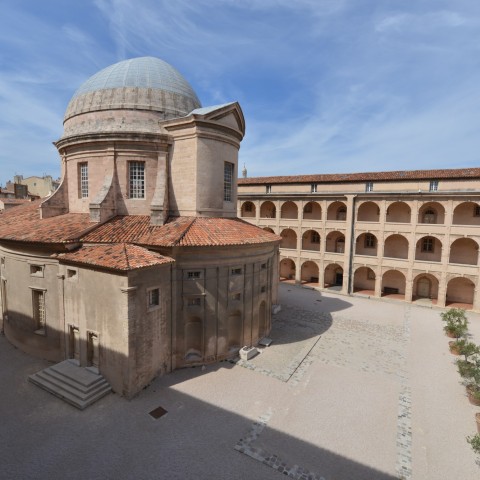
• Musée des Comtes de Provence : a significant collection of ex-voto (Brignoles)
• Correns : organic village 5km away from Châteauvert
• Cotignac : village of character with a troglodyte cliff at 15km from Châteauvert.
• Carcès : small medieval village 15km from Châteauvert.
• Le Vallon Sourn : a protected area where the famous Fairy’s Cave is located. (Correns)
• Château Margüi : a vineyard fed by three natural sources making the filmmaker Georges Lucas’ clay-limestone soils especially fertile. (Châteauvert)
PLACES TO EAT
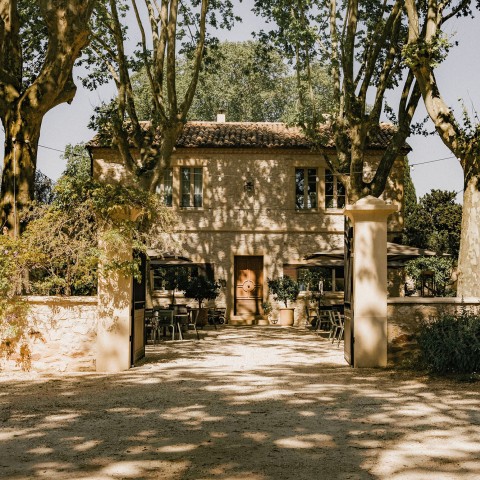
• Pop-up restaurant of the art center : a summer and friendly cuisine, served in the community hall during summer. (Châteauvert)
• La Cigale Provençale : some forty different pizzas from around the world at the end of the Vallon Sourn. (Correns)
• Le Clos des Vignes : a diverse and refined menu in a former sheepfold, in a peaceful setting open to the outside. (Cotignac)
PLACES TO STAY
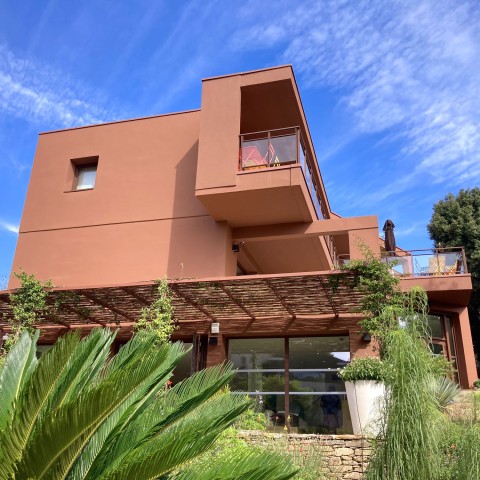
• Gites de la Réparade : the former wine and forest estate - where ochre and terra cotta combine - offers quietness and sweetness of life. (Châteauvert)
• Auberge de Correns : hotel and restaurant. (Correns)
• Lou Calen : this eco resort brings together a hotel, restaurants, bars, an art center, a bookstore and creative workshops in a preserved corner of Provence (Cotignac).