Musée Picasso
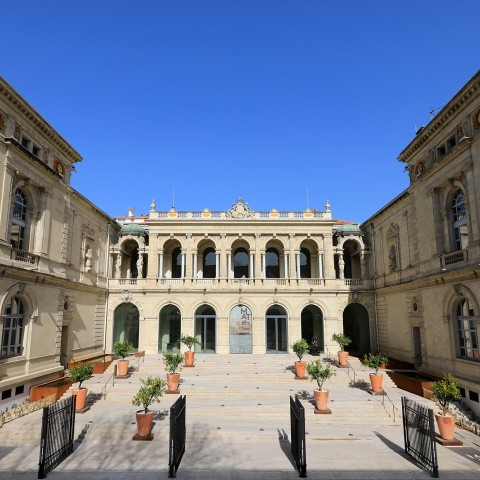
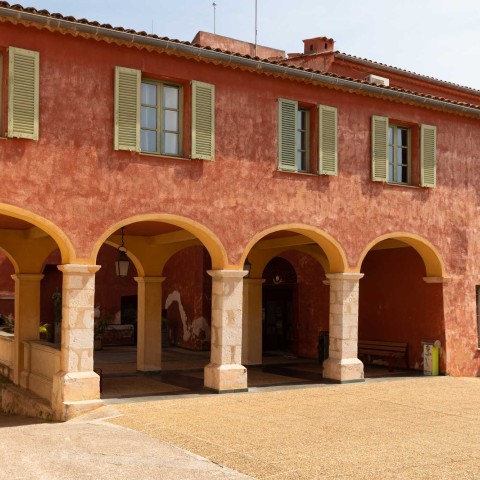
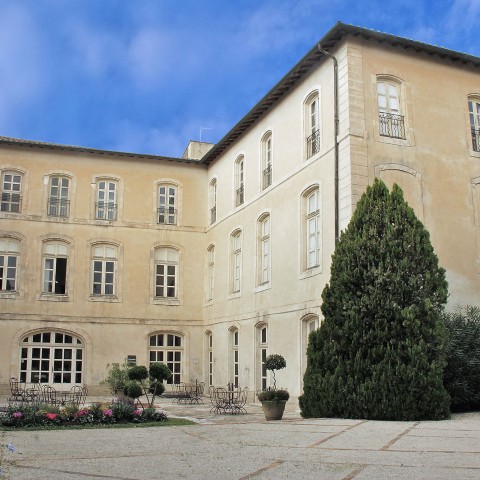
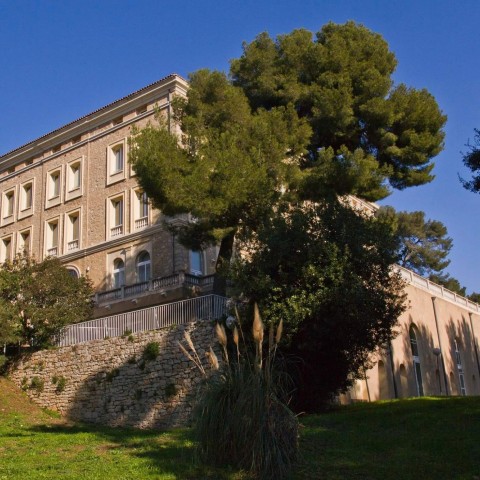
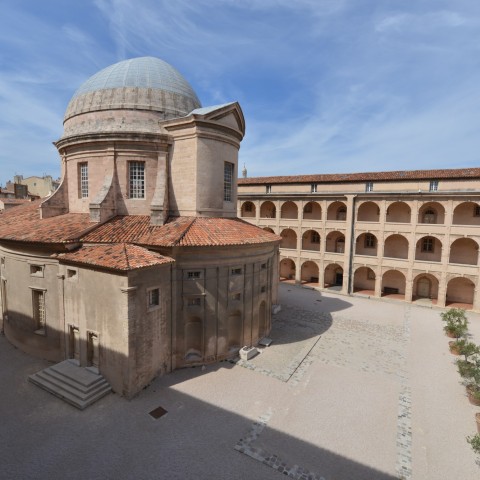
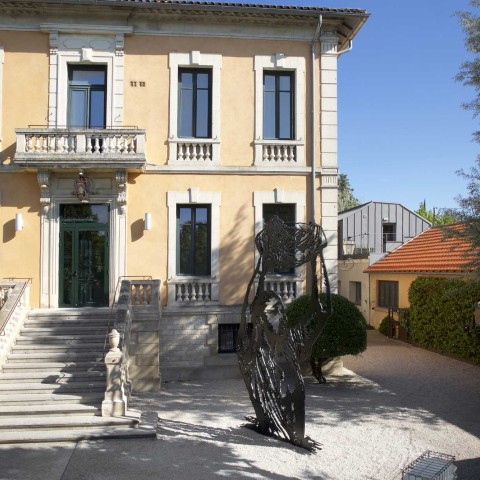
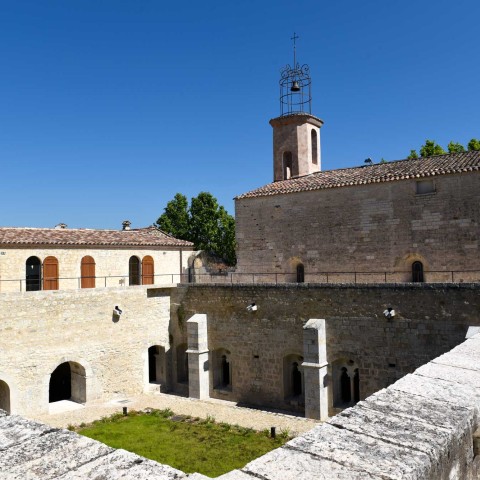
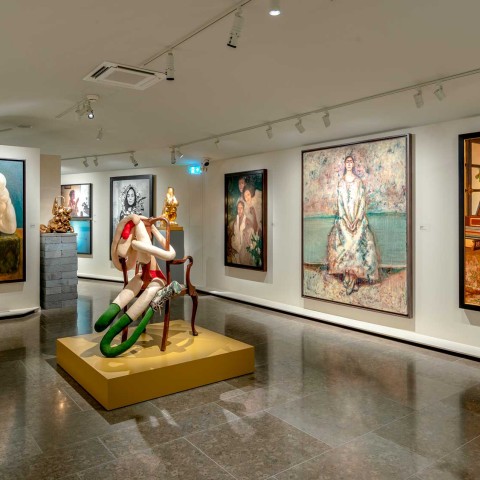
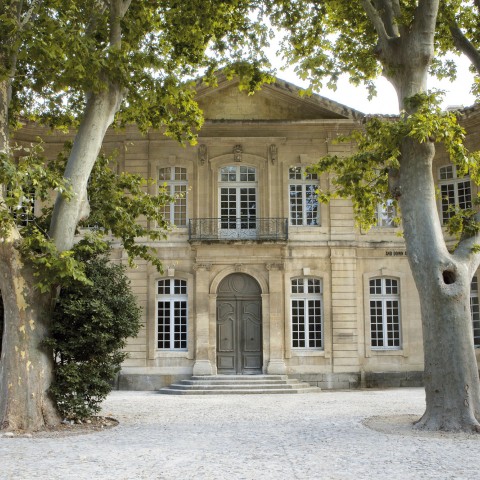
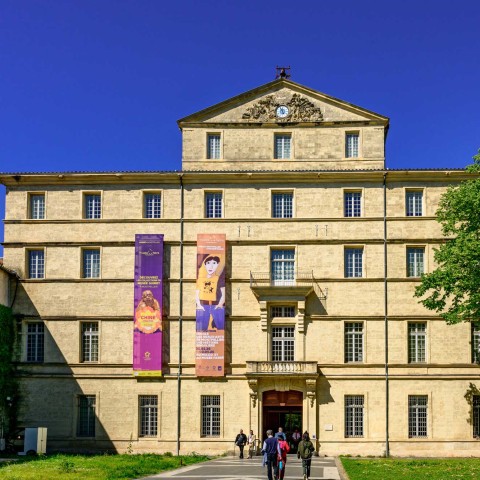
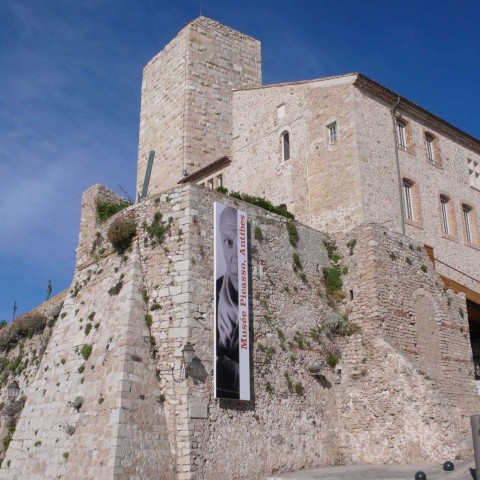
The Grimaldi Castle was purchased by the city in 1925. In 1946, Picasso used part of it as a studio and produced numerous works there, which he left to the city of Antibes. In 1966, it officially became the Picasso Museum. Works by Staël, Hartung and Anna-Eva Bergman are on display. Started in 1951, the modern art collection has been enriched by exceptional donations and acquisitions.

The Grimaldi Castle was purchased by the city in 1925. In 1946, Picasso used part of it as a studio and produced numerous works there, which he left to the city of Antibes. In 1966, it officially became the Picasso Museum. Works by Staël, Hartung and Anna-Eva Bergman are on display. Started in 1951, the modern art collection has been enriched by exceptional donations and acquisitions.
Programme
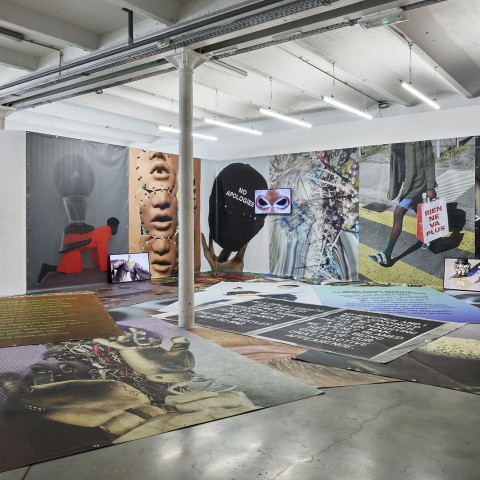
Claude Picasso, Une vie en marges
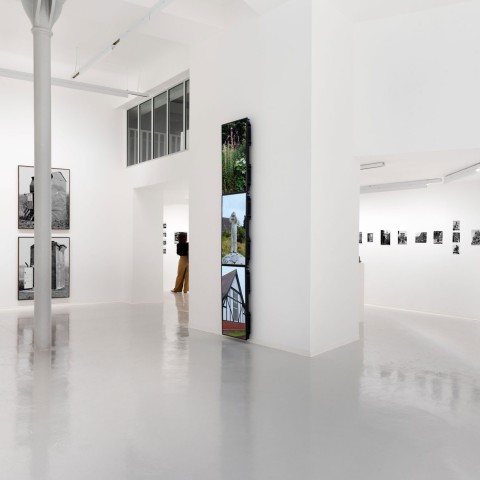
Cette exposition, et le livre qui l’accompagne, montrent pour la première fois les clichés – portraits, compositions surréalistes, commandes pour des magazines de mode… –, de Claude Picasso, photographe talentueux de son temps, dont les images témoignent d’un regard sensible sur ses contemporains, artistes célèbres ou passants anonymes, et sur les paysages qu’il aimait découvrir lors de voyages, nous faisant partager sa vision embellie du monde et sa poésie du réel.
Access
Musée Picasso
Château Grimaldi, place Mariejol, 06600 Antibes
04 92 90 54 26
antibes-juanlespins.com
Online ticketing (individual tickets for the collection and exhibitions).
Closed on Mondays.
From 15 September: 10 am–1 pm and 2 pm–6 pm.
Ticket office closes at 12.30 pm and 5.30 pm.
Access for visitors with reduced mobility: entrance on Place du Barri.
Picasso Antibes app: download it free of charge to accompany you on your visit to the Musée Picasso.
Association of Friends of the Musée Picasso: activities relating to the museum’s programme, including visits, trips and talks : amismuseepicasso.com
Locate other art venues in the vicinity on the map.
Discover our address book
PLACES TO DISCOVER
Musée Peynet et du Dessin humoristique : located in the heart of the old town, the museum presents a collection of works by Raymond Peynet, who settled in Antibes in 1976, alongside works by press cartoonists and humourists. Its collection supports a rich programme of thematic exhibitions throughout the year.
Musée d'Archéologie : housed in the Saint-André Bastion on the city ramparts, the museum’s collection brings together artefacts recovered from both terrestrial and underwater excavations, tracing the history of Antipolis from the 7th century BC to the 5th century AD.
Le Fort Carré : one of the earliest examples of bastioned fortifications in France, this historic site was built in the mid-16th century. Originally a military fortress, it served both as a watchtower overlooking the nearby border with the County of Nice and as a defensive stronghold protecting Antibes, the last French port before the frontier.