Musée d’art moderne de Céret
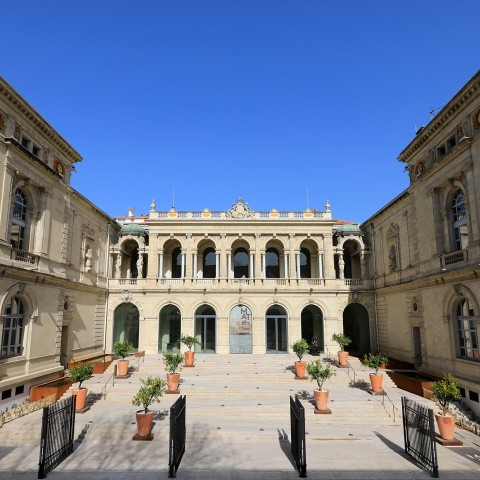
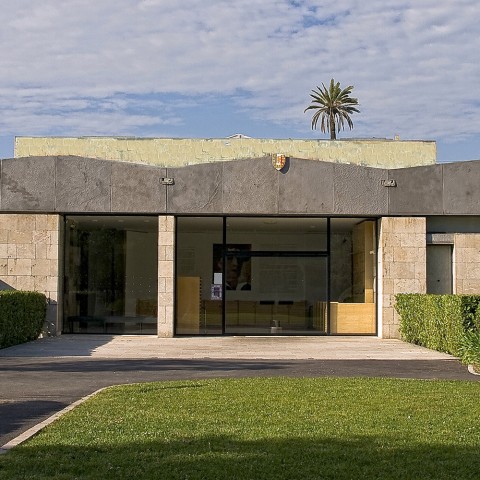
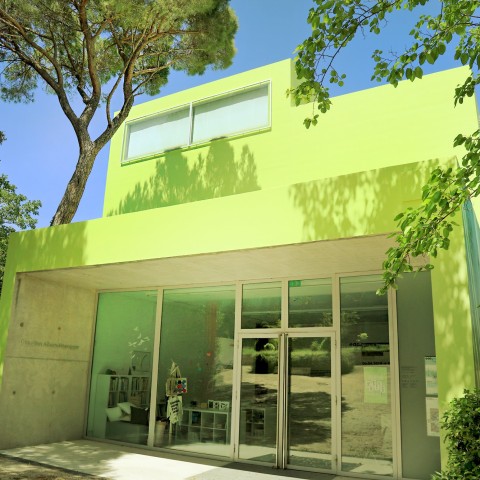
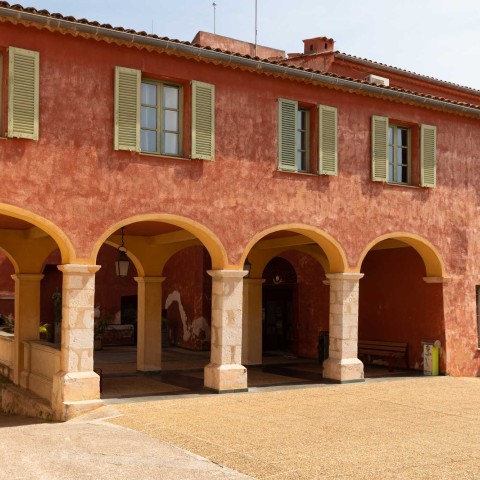
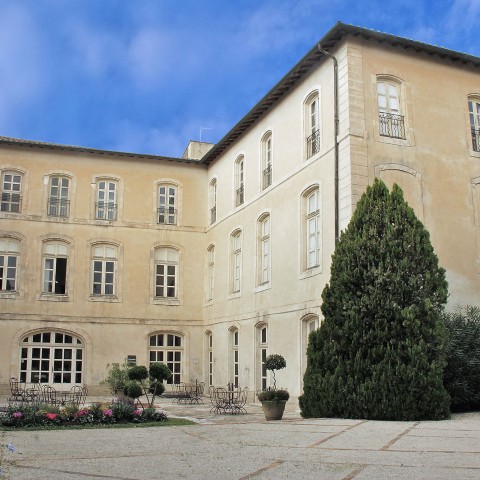
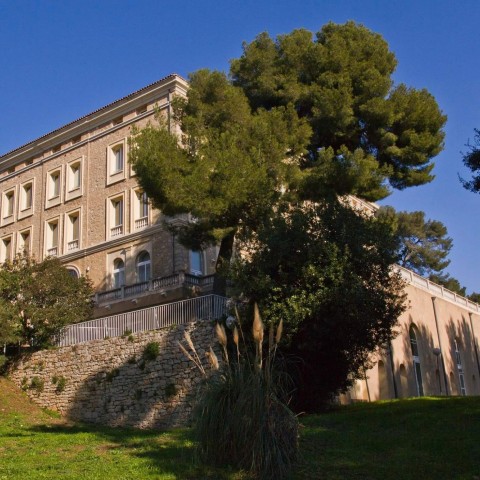
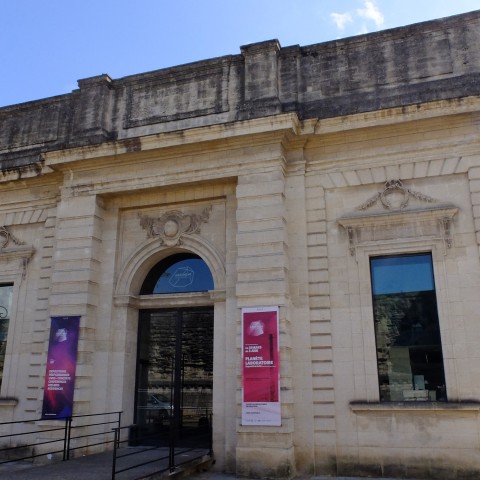
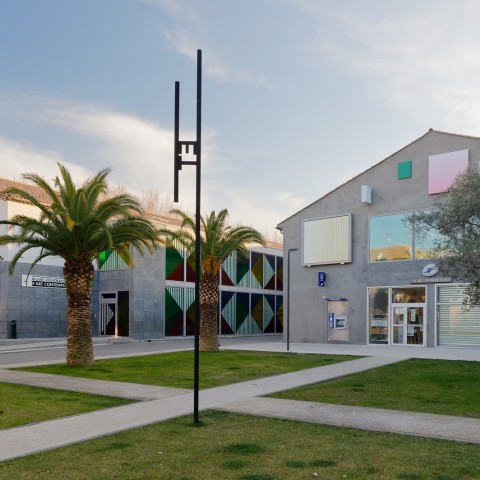
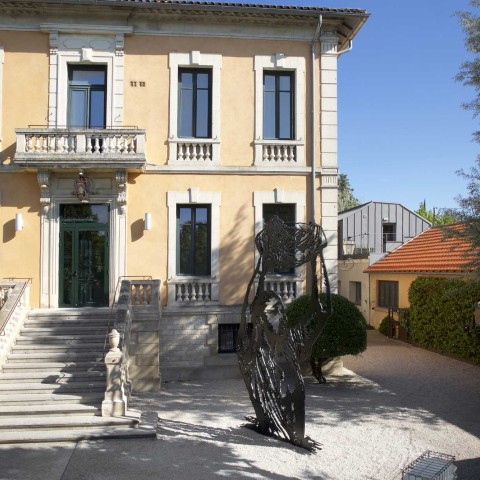
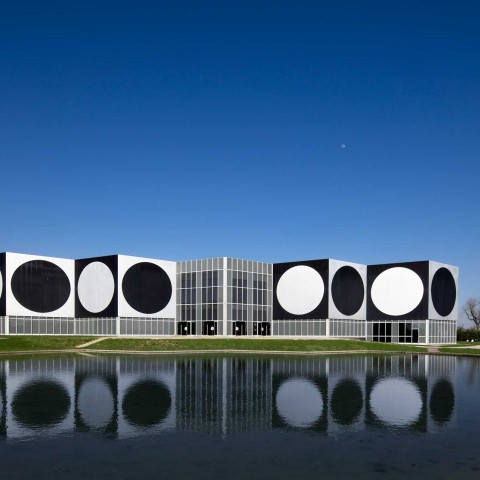
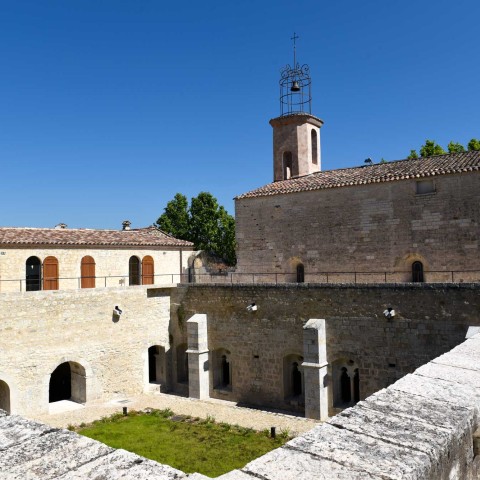
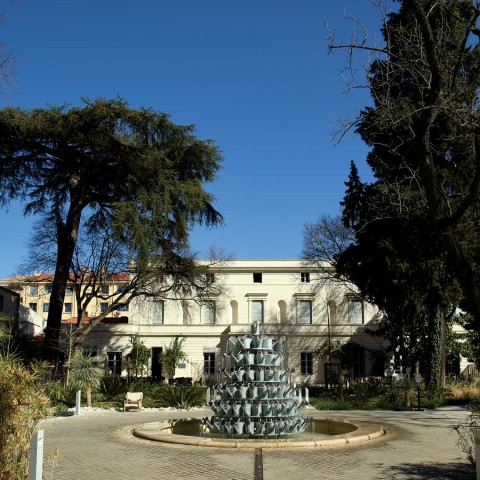
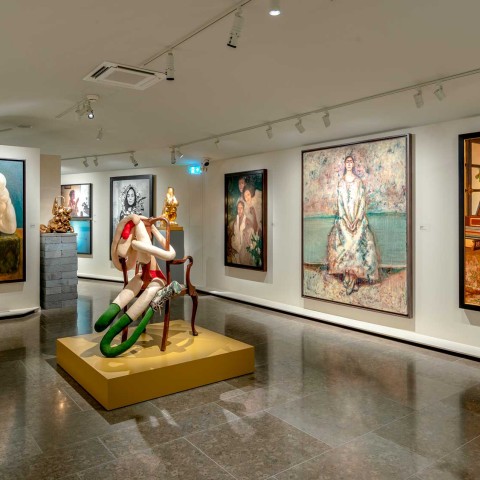
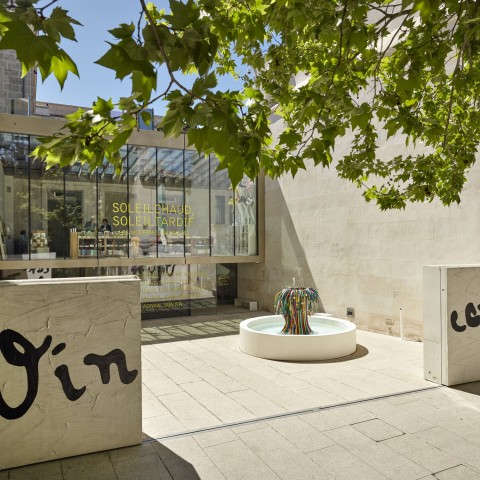
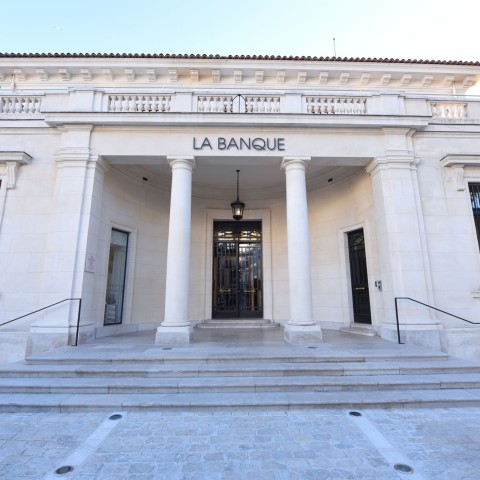
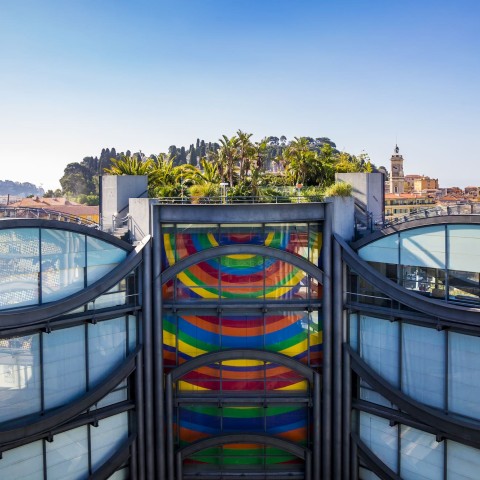
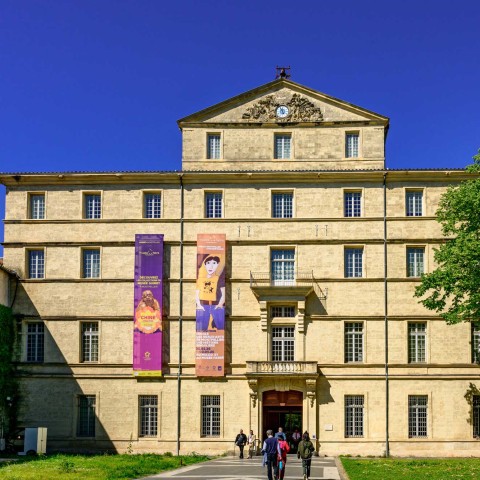
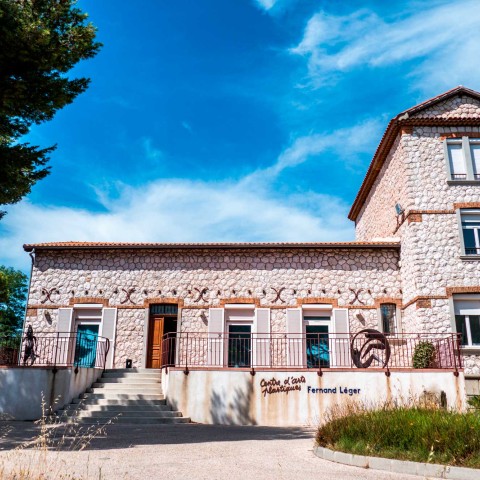
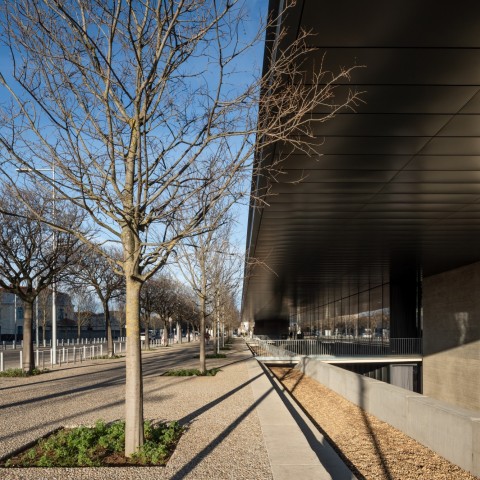
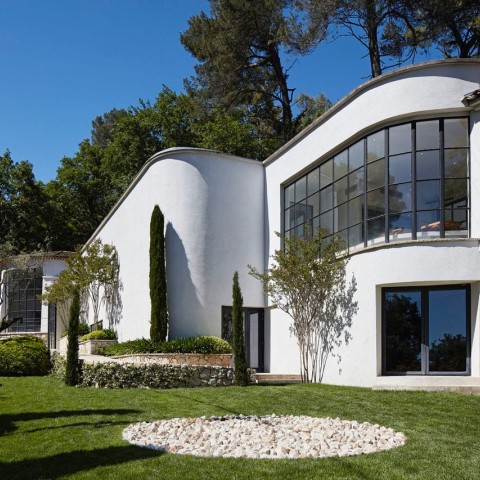
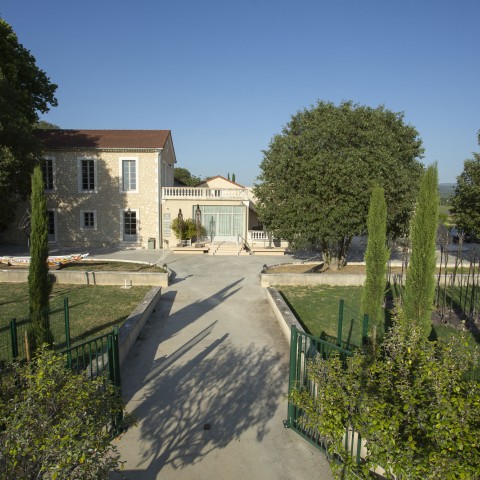
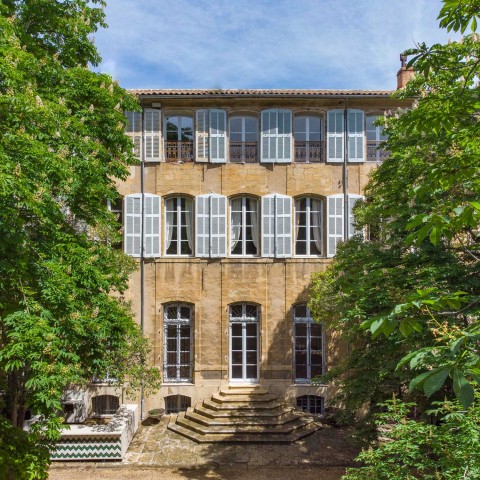
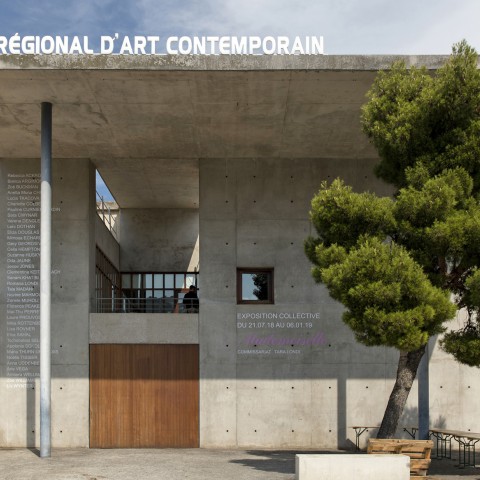
Expanded in 2022, the Museum of Modern Art in Céret invites visitors to explore a remarkable collection of modern and contemporary works, tracing the town’s extraordinary artistic legacy since the days of Braque and Picasso. Known as the "Mecca of Cubism," Céret has long been a vibrant hub of modern art.
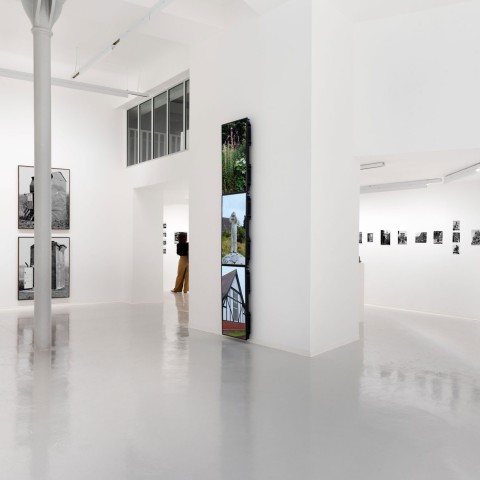
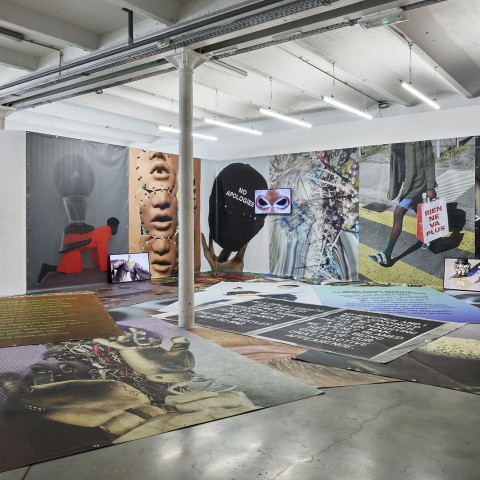
The museum showcases masterpieces by some of the greatest artists of the 20th century, including Gris, Soutine, Chagall, Miró, Tàpies, Viallat, and Bioulès. Newly designed spaces also host a dynamic program of temporary exhibitions, offering an ever-changing dialogue between modern and contemporary art.

Expanded in 2022, the Museum of Modern Art in Céret invites visitors to explore a remarkable collection of modern and contemporary works, tracing the town’s extraordinary artistic legacy since the days of Braque and Picasso. Known as the "Mecca of Cubism," Céret has long been a vibrant hub of modern art.
The museum showcases masterpieces by some of the greatest artists of the 20th century, including Gris, Soutine, Chagall, Miró, Tàpies, Viallat, and Bioulès. Newly designed spaces also host a dynamic program of temporary exhibitions, offering an ever-changing dialogue between modern and contemporary art.
Programme
Picabia Méditerranée - Picasso, Delaunay, Laurencin...
A major figure in international artistic circles, Francis Picabia (1879–1953) played a key role in the history of the early 20th-century avant-gardes. In the 1910s and 1920s, shaped by his travels between New York and Barcelona, the artist developed a visual language that was as bold as it was irreverent. The exhibition at the Musée d’Art Moderne de Céret retraces his career from a fresh perspective, highlighting in particular the influence of Iberian culture on his work and on that of his contemporaries.
Bringing together nearly one hundred works by Picabia and by artists from his New York and Catalan circles — from Marcel and Suzanne Duchamp to Albert Gleizes and Juliette Roche, from Robert and Sonia Delaunay to Kees van Dongen, Marie Laurencin, Natalia Goncharova and Pablo Picasso — the exhibition benefits from the support of leading institutions in France and Spain, through exceptional loans from the Musée de l’Orangerie, the Centre Pompidou, the Prince’s Palace of Monaco, the Museo Reina Sofía, the Museo Nacional Thyssen-Bornemisza, as well as the Picasso Museums in Paris and Barcelona.
Access
Musée d’art moderne de Céret
8, bd Maréchal Joffre
66400 Céret
04 68 87 27 76
musee-ceret.com
From Tuesday to Sunday, 10 a.m. to 6 p.m. (September to June).
Daily, 10 a.m. to 7 p.m. (July and August).
Closing at 4 p.m. on December 24 and 31.
Closed on January 1, May 1, November 1, and December 25.
Open on Easter Monday and Whit Monday.
Last admission: 45 minutes before closing time.
Locate other art venues in the vicinity on the map.