Mucem
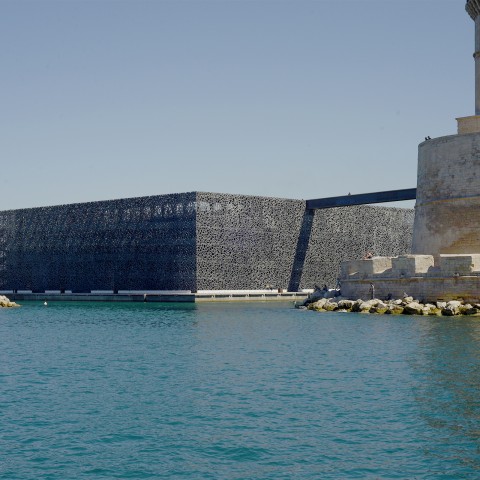
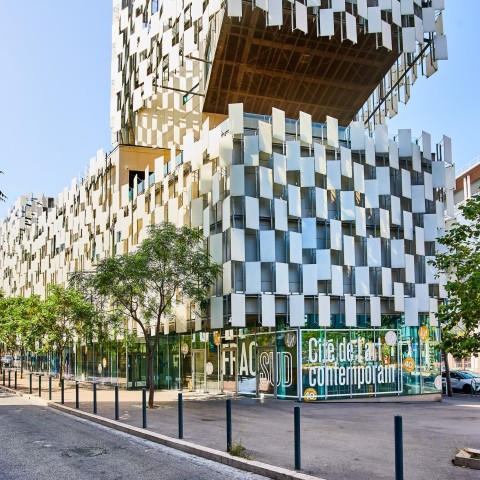
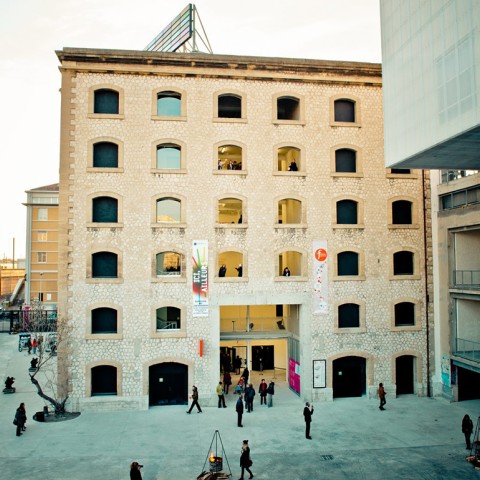
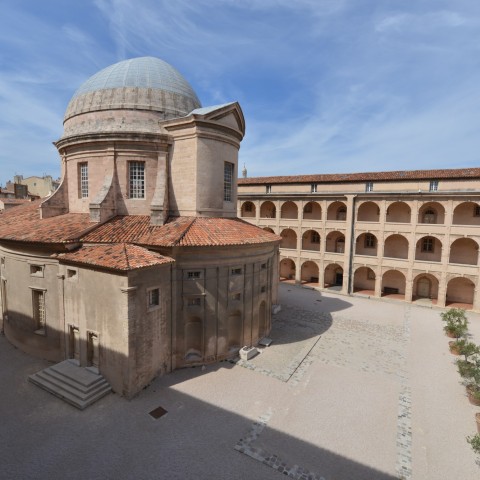
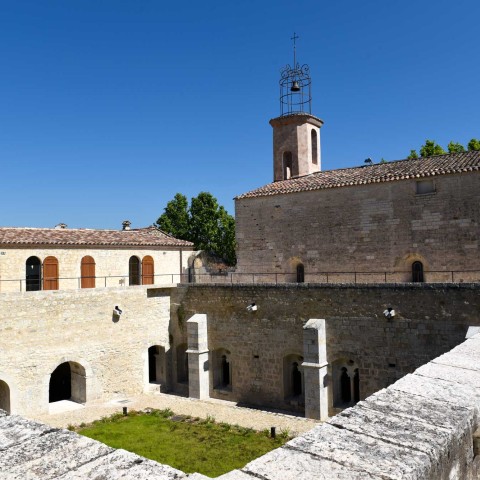
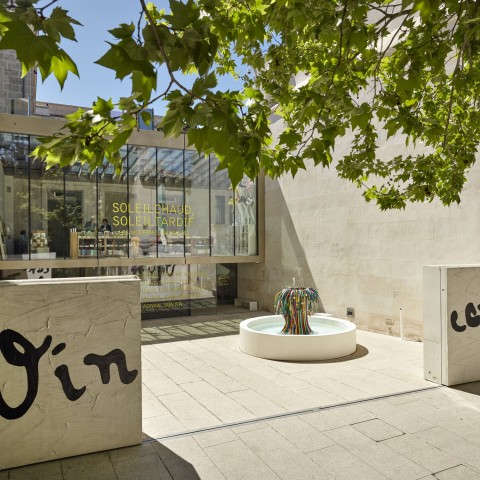
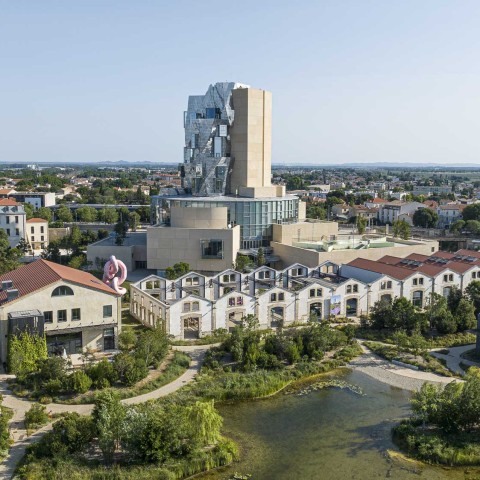
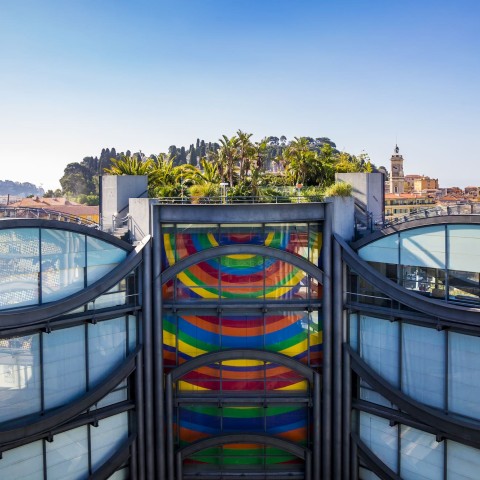
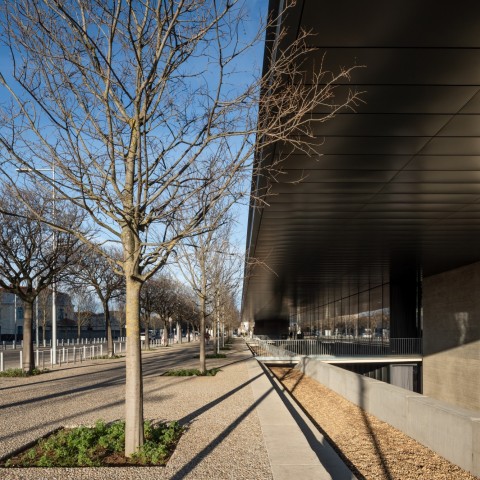
Located at the entrance to the Vieux Port, the Mucem has become Marseille’s leading museum since it opened in 2013. Renowned worldwide for its architecture combining technical brilliance and powerful design, the Mucem is the most important museum dedicated to the Mediterranean. Its two buildings, the J4 and the Fort Saint-Jean, take visitors on a journey that em- braces sky and sea, heritage and modernity, city and gardens. Spanning the arts, anthropology, history and archaeology, its exhibitions explore the major cultural, social, scientific and political issues past and present of the European Mediterranean world.

Located at the entrance to the Vieux Port, the Mucem has become Marseille’s leading museum since it opened in 2013. Renowned worldwide for its architecture combining technical brilliance and powerful design, the Mucem is the most important museum dedicated to the Mediterranean. Its two buildings, the J4 and the Fort Saint-Jean, take visitors on a journey that em- braces sky and sea, heritage and modernity, city and gardens. Spanning the arts, anthropology, history and archaeology, its exhibitions explore the major cultural, social, scientific and political issues past and present of the European Mediterranean world.
Programme
The museum investigates
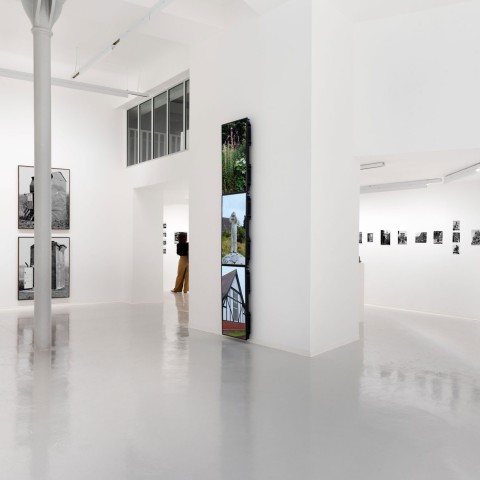
How can objects be made to tell their stories? This exhibition grew out of a residency for four researchers in history, archaeology, geography and anthropology, who worked in the Mucem’s collections storage facilities in La Belle de Mai from September 2022 to July 2023.
Working with the museum’s research teams, they explored its collections, archives and library. Their investigations range from Robert Eberlé’s ephemeral pavement art, photographed by Pierre Soulier, to the lost craft of making artificial flowers, cheese moulds and objects connected with migration. Each study uncovers the uses and stories these objects preserve, while inviting us to reflect on how we live, make things and pass on knowledge.
Mossi Traoré : Fashion, Too
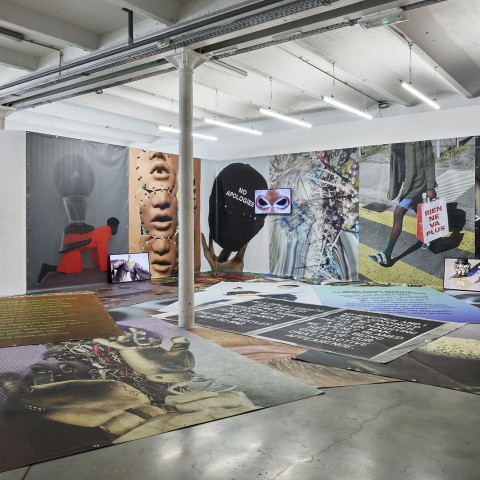
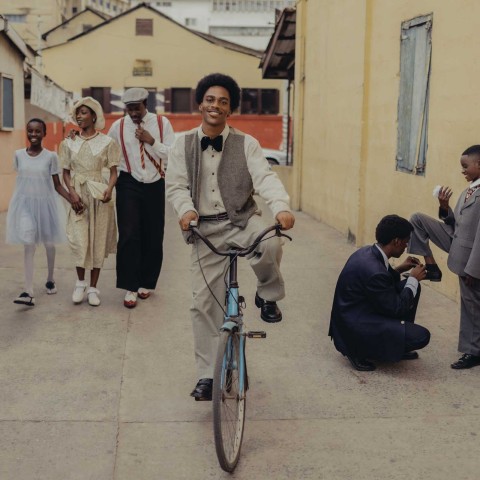
Following the success of the exhibition “Fashion Folklore”, the Mucem will devote an exhibition in 2026 to Mossi Traoré, an unconventional figure on the French fashion scene, for whom couture is both a field of experimentation, a tool for transmission, and a collective language. Conceived in close collaboration with the artist, the exhibition offers an immersion into a world where fashion engages in dialogue with popular culture, urban arts and traditional craftsmanship.
Sculptural silhouettes, videos, and textiles interacting with the museum’s archives, along with artisanal gestures, punctuate a sensorial and participatory journey. Visitors are invited to touch materials, listen, create and feel. Trained as much in the streets as alongside masters of couture, Mossi Traoré has developed a refined and committed aesthetic.
Méditerranées
The exhibition looks at the way in which the Mediterranean has been constructed as an element of natural, artistic and ethnological heritage – three approaches comparable in construction over time. It shows how museums have presented the Mediterranean theme. The exhibition will present the Mucem and its identity from a historical and disciplinary perspective, demonstrating both its origins and its uniqueness in the museum landscape.
Popular?
This permanent exhibition showcases what makes up the “bulk” of the museum, telling all the stories that led to the acquisitions, the life stories of the items, and the reasons why they were brought into the museum’s reserves, past and present. Alongside the 1,200 objects and documents from the Mucem’s historical collections or those more recently acquired by the museum, an immersive digital mediation system uses a selection of objects to evoke the idea of ‘popular culture’ that permeates its collections.
Access
Mucem - Musée des Civilisations de l'Europe et de la Méditerranée
1, esplanade du J4
13002 Marseille
+33 (0)4 84 35 13 13
mucem.org
Every day except Tuesday, 1 May, and 25 December, from 10 a.m. to 7 p.m.
Locate other art venues in the vicinity on the map.
Discover our address book
PLACES TO DISCOVER
• Friche La Belle de mai : An arts and culture factory and a living place.
• Coco Velten : A place for working and encounters with a collaborative cultural programme.
• Fotokino : Exhibitions, screenings, workshops and conferences.
• Lucy Luce : the workshop-boutique of a jewelry designer and organic sculptures.
• Galerie Béa-Ba : A hub for contemporary painting.
• JoggingJogging : concept et fashion store.
• Double V Gallery : The trendy contemporary art gallery in Marseille.
• Le Don du Vent : Boat rental and private boat services.
PLACES TO STAY
• Les Bords de Mer : Mini-refuge, maxi-vue : 19 bedrooms facing the big blue.
• Hôtel Le Ryad : Well located at the top of la Canebière in the city center.
• La Résidence du Vieux Port : 4-star hotel with a retro decor, inspired by Le Corbusier and Pouillon.
• Tuba Club : A restyled former diving club in the Goudes district. 5 bedrooms and a restaurant with a breathtaking view of the Calanques.
PLACES TO EAT
• La Marine des Goudes : A mythical place in the heart of the little port of Les Goudes, inviting the sea to enter and guests to sail.
• Sépia : Seasonal cooking. Covered terrace and view of the city.
• La Parenthèse : Terrace with tapas to share in a quiet alley of La Vieille Chapelle district.
• Chez Yassine : Tunisian halal specialties. A must-go of Eastern cuisine in the Noailles district.
• Yima: A family Eastern canteen in the Noailles district.
• Toïa : For the ceviche lovers, a tasty cuisine made with fresh and seasonal products.
• La cantine de Lynn : A delicious small restaurant, home cooking and a welcoming atmosphere.
• Les Buvards : An excellent selection of natural wines and healthy products in this natural wine bar pioneer in Marseille.
• Épicerie L’Idéal : Fresh goat cheese, Camargue lamb, an excellent selection of products from the Mediterranean Basin to take away and meals to eat in.
• Maison Geney : Canteen, delicatessen and tearoom with homemade products, a simple and generous cooking in the Panier district.