Collection Lambert
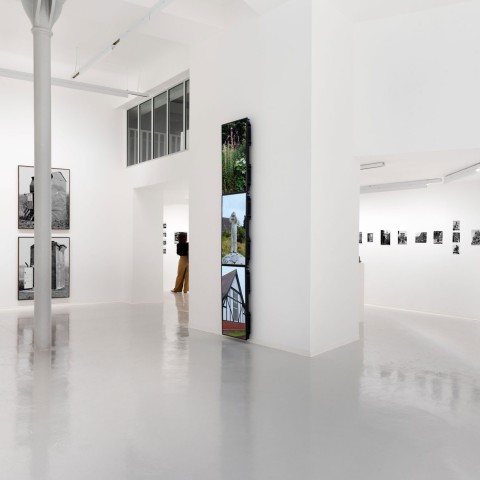
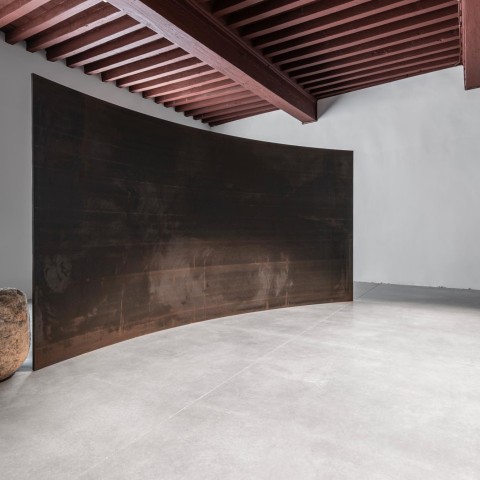
Founded in 2000 at the initiative of collector and gallerist Yvon Lambert, the Collection Lambert is a contemporary art centre with a public collection, created following the exceptional donation he made to the French State of a significant group of emblematic works spanning from the second half of the 20th century to the present day.
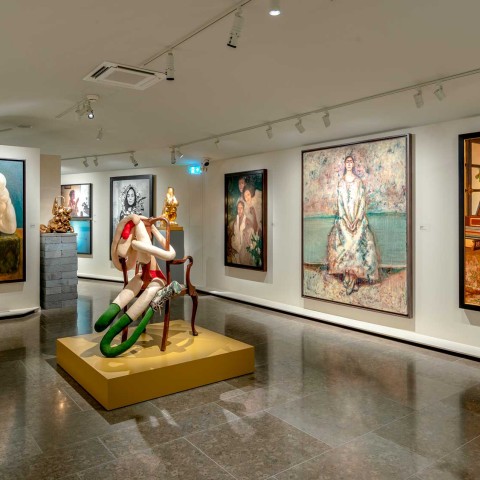
Enriched by works from internationally renowned artists such as Jean-Michel Basquiat, Cy Twombly, Sol LeWitt, Anselm Kiefer, Nan Goldin and Christian Boltanski, the Collection Lambert stands out for the singularity of its history, the coherence of its holdings, the rigor of its programming, and its strong social commitment to broad public accessibility.
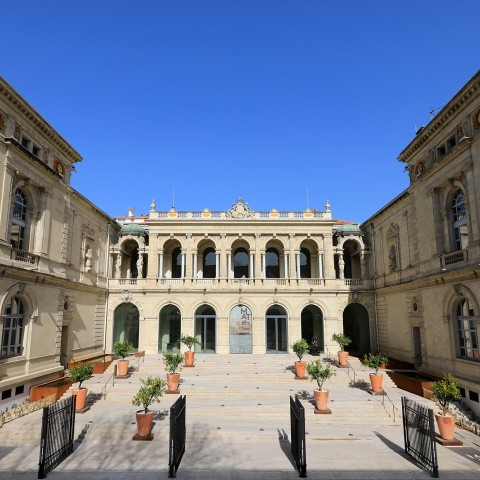
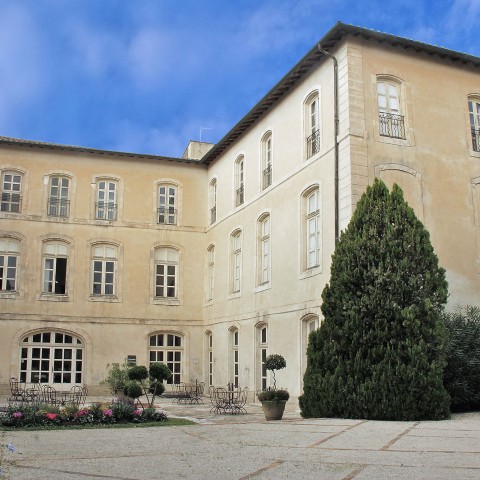
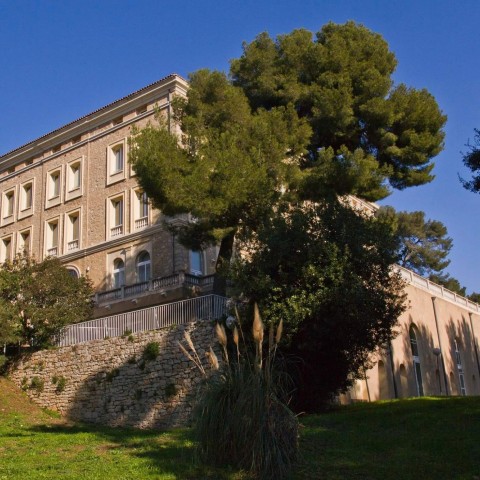
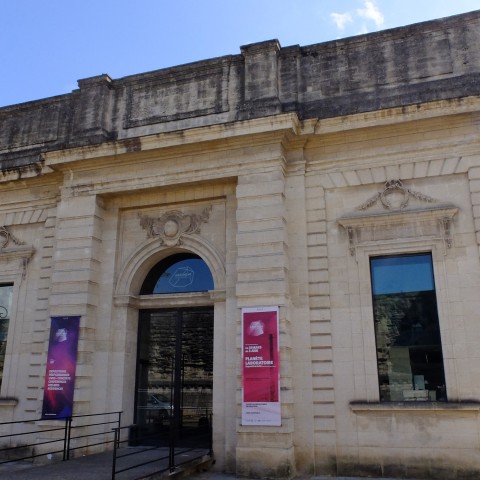
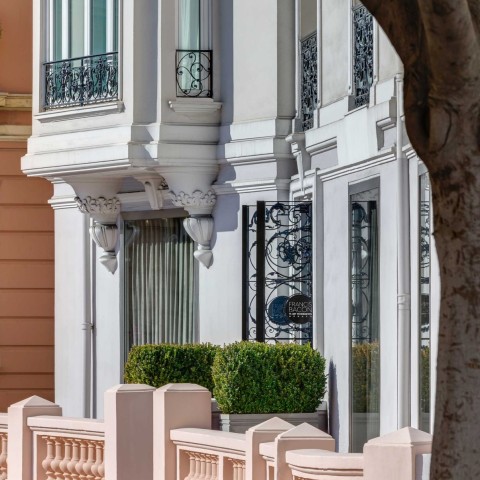
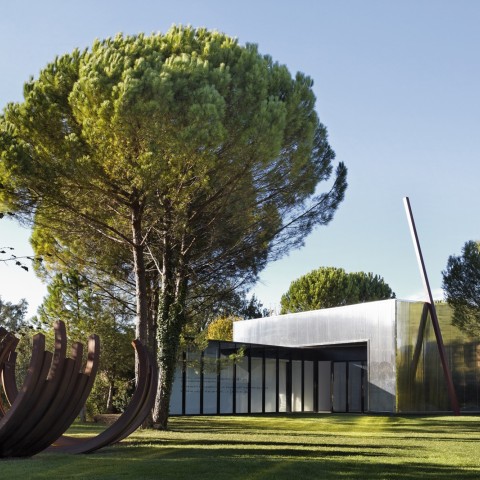
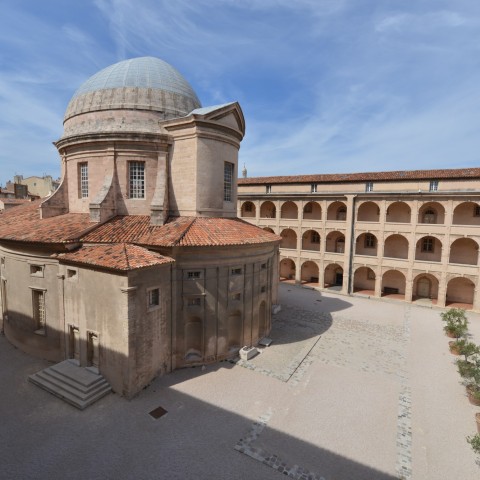
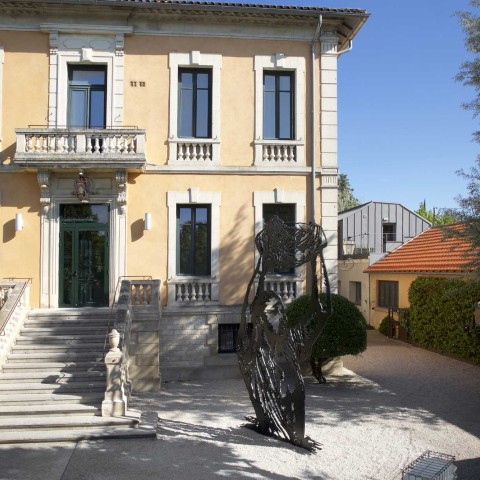
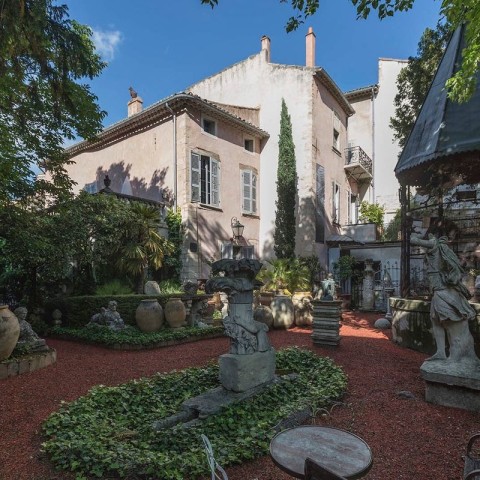
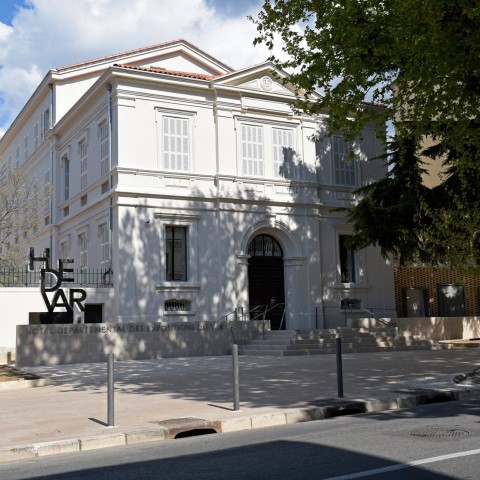
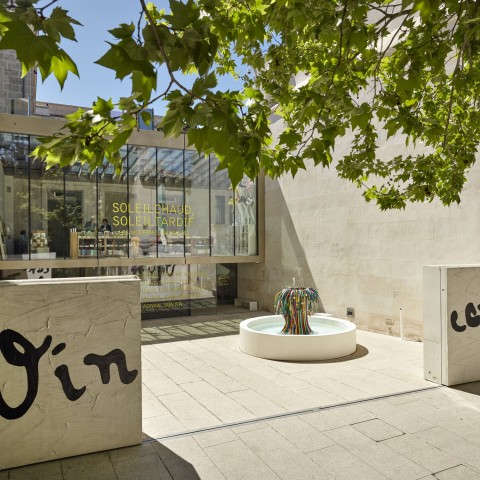
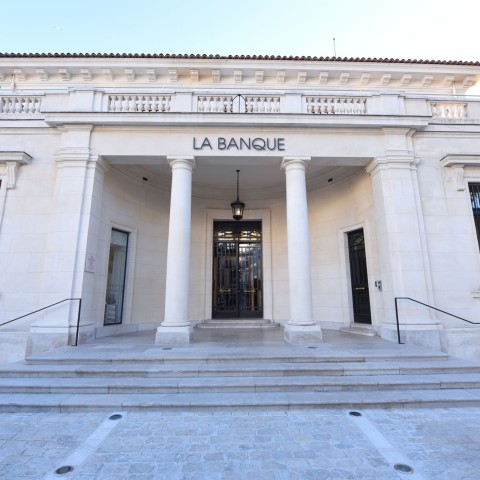
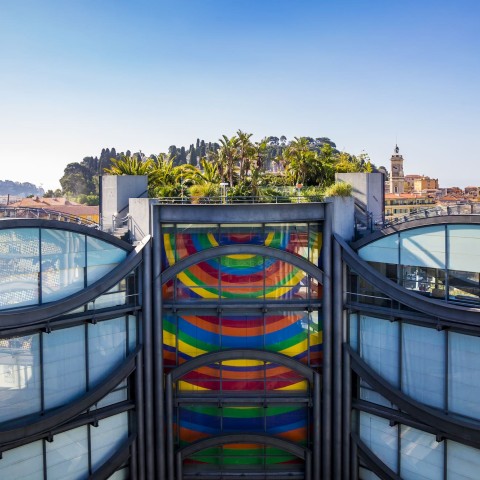
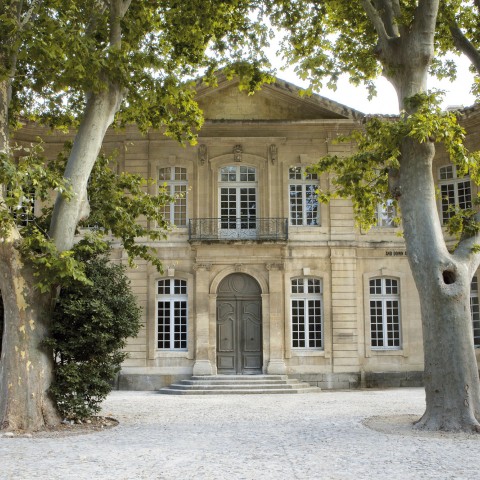
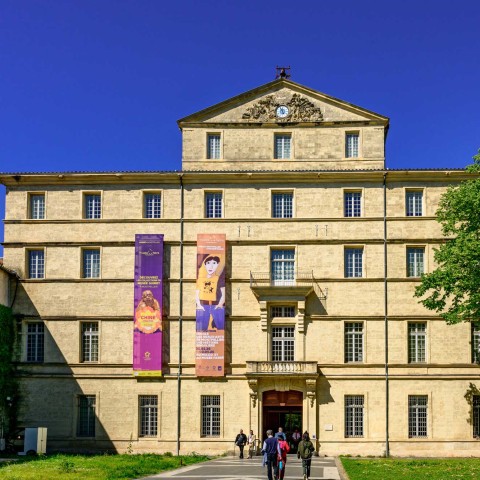
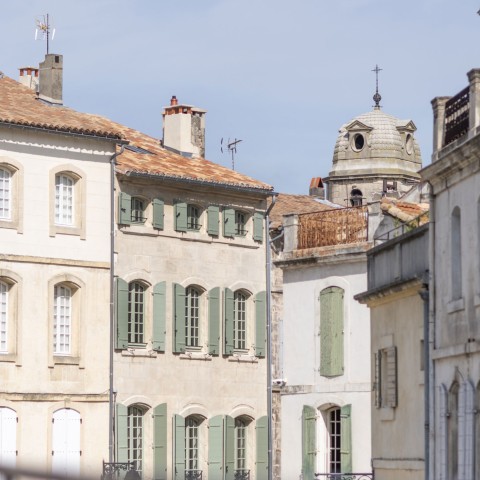
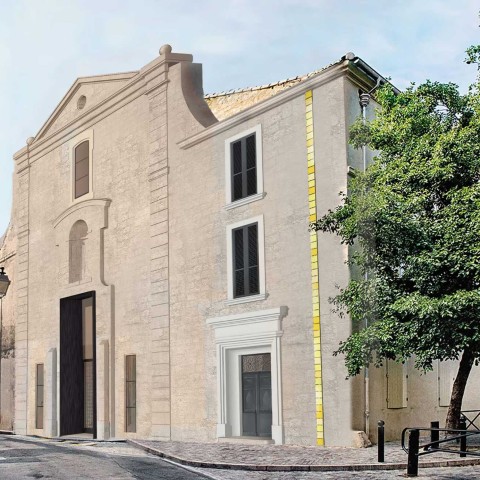
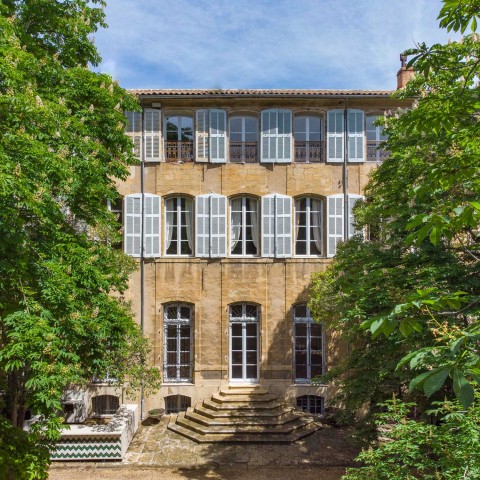
Located in the heart of Avignon, the Collection Lambert occupies two 18th-century townhouses made available by the City. These architecturally significant buildings were renovated by architect Rudy Ricciotti, together with architects Cyrille Berger and Laurent Berger.
Awarded the label “Centre d’art contemporain d’intérêt national” by the French Ministry of Culture in 2022, the Collection Lambert develops a deeply committed project at the crossroads of artistic creation and social innovation. It hosts a “second chance” class recognized by the French Ministry of Education for students who have dropped out of school, and runs an artistic programme within a nursing home, reaffirming its dedication to making culture accessible to all.

Founded in 2000 at the initiative of collector and gallerist Yvon Lambert, the Collection Lambert is a contemporary art centre with a public collection, created following the exceptional donation he made to the French State of a significant group of emblematic works spanning from the second half of the 20th century to the present day.
Enriched by works from internationally renowned artists such as Jean-Michel Basquiat, Cy Twombly, Sol LeWitt, Anselm Kiefer, Nan Goldin and Christian Boltanski, the Collection Lambert stands out for the singularity of its history, the coherence of its holdings, the rigor of its programming, and its strong social commitment to broad public accessibility.
Located in the heart of Avignon, the Collection Lambert occupies two 18th-century townhouses made available by the City. These architecturally significant buildings were renovated by architect Rudy Ricciotti, together with architects Cyrille Berger and Laurent Berger.
Awarded the label “Centre d’art contemporain d’intérêt national” by the French Ministry of Culture in 2022, the Collection Lambert develops a deeply committed project at the crossroads of artistic creation and social innovation. It hosts a “second chance” class recognized by the French Ministry of Education for students who have dropped out of school, and runs an artistic programme within a nursing home, reaffirming its dedication to making culture accessible to all.
Programme
Écho and Zéphyr
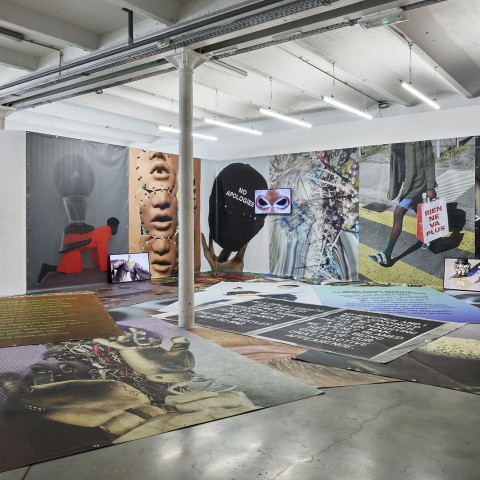
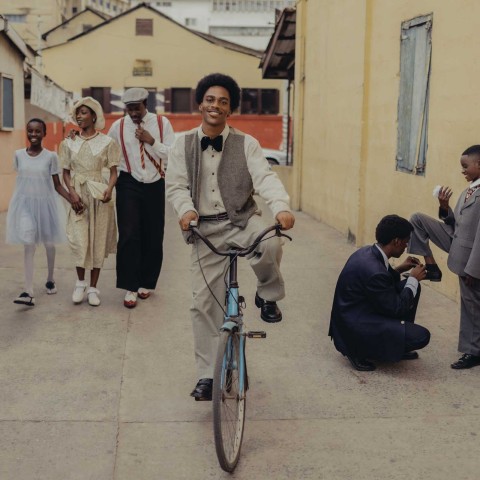
What makes a group? What forms of collective life emerge outside established models? Over several months, artists Émilie Rousset, Louise Hémon and Sarah Maeght worked with residents of pensions de famille, a form of supported housing. Encounters, writing workshops, recorded conversations and time spent in these residences informed a shared research process. Écho and Zéphyr grew out of this experience, driven by the conviction that the margins are not only places of vulnerability, but also spaces of invention.
These two new works — Écho, a text-based installation drawn from twenty hours of conversations recorded in pensions de famille, and Zéphyr, a video installation featuring a group facing the wind — form the starting point for the exhibition project and enter into dialogue with works from the Collection Lambert’s holdings.
Access
The Lambert Collection
5, rue Violette - 84000 Avignon
+33 (0)4 90 16 56 23
collectionlambert.com
September to June: Wednesday to Friday 2-6pm, 11am -6pm on week-ends.
July: Every day from 11am to 6pm.
Closed on Monday 28 July.
August: Tuesday to Sunday, 11am to 6pm.
Locate other art venues in the vicinity on the map.
Discover our address book
PLACES TO DISCOVER
• La navette fluviale : cross the Rhône for free from the Pont d'Avignon to the Île de la Barthelasse with the river shuttle. On the other bank, enjoy beautiful walks with views of the Pont d’Avignon, the ramparts or the Palais des Papes.
• Musée du Petit Palais : a siginificant art collection of Italian paintings, Avignonese sculptures and paintings from the Ecole d’Avignon.
• Musée Calvet : the Musée Calvet collections comprise archaeology, decorative arts, ethnography or fine arts.
• Maison Jean Vilar : an exhibition, archival and research centre, a place for encounters and entertainments in keeping with the popular theatre spirit.
• Utopia Manutention : an arthouse cinema at the foot of the Palais des Papes, with a restaurant.
• La Mémoire du Monde : a bookshop combining literature and art with a selection of small publishers and other rare texts.
• L’Eau Vive : this cosy bookshop for children holds creative workshops, readings, and book signings.
PLACES TO EAT
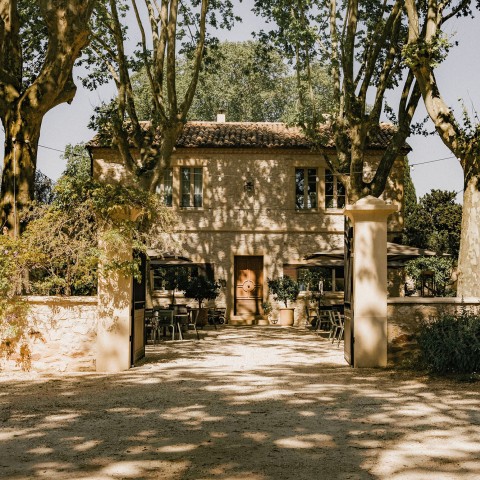
• Le Violette : inventive cuisine combining local products with flavours from elsewhere in the shade of century-old plane trees, far from the hustle and bustle of the city.
• Subito : simple recipes and fresh products for Italian cuisine lovers.
• Come a Roma : delicious Roman pizzas served with sunny tones.
• Bella Ciao : an utopian bakery in downtown Avignon offering different varieties of breads, sandwiches and pizzas.
PLACES TO STAY
• L’Hôtel de l’Europe : one of the most ancient hotel in France, in an ideal place where you can have a drink.
• Le Lieu : a charming guesthouse and a restaurant in a place full of history and stories, a Cordeliers convent in the 13th century and a bourgeois house in the 18th and 19th centuries.