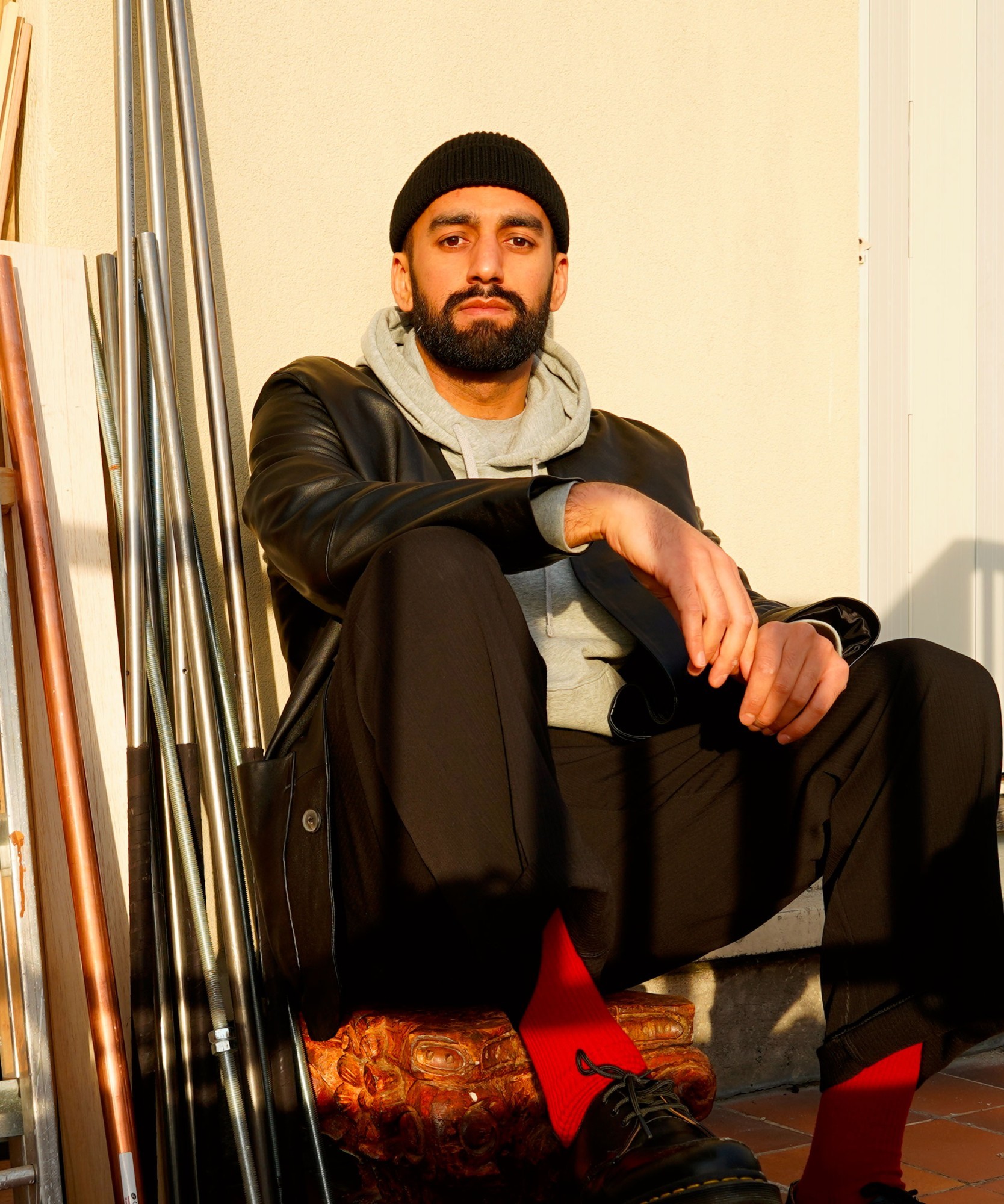
Plein Sud: Architect, builder and artist are the words you use to describe yourself. What do they say about your practice?
Feda Wardak: These are terms I adopted a long time ago and have remained true to ever since. I draw, I design and I build. But architects, in general, draw but do not build. I, on the other hand, learned how to build, and that allows me to draw differently because I understand how materials hold, I know their weaknesses and their strengths. I also present myself as a visual artist, because visual artists also construct their own works. This shift first came through writing and publishing. At the end of my architecture studies, I set up a small publishing collective (Aman Iwan, ed.) with a group of friends, at the crossroads of political science, social sciences and critical geography. We published two important journals, which explored architecture through a political lens rooted in our territories of origin.
P.S.: For you, it was Afghanistan…
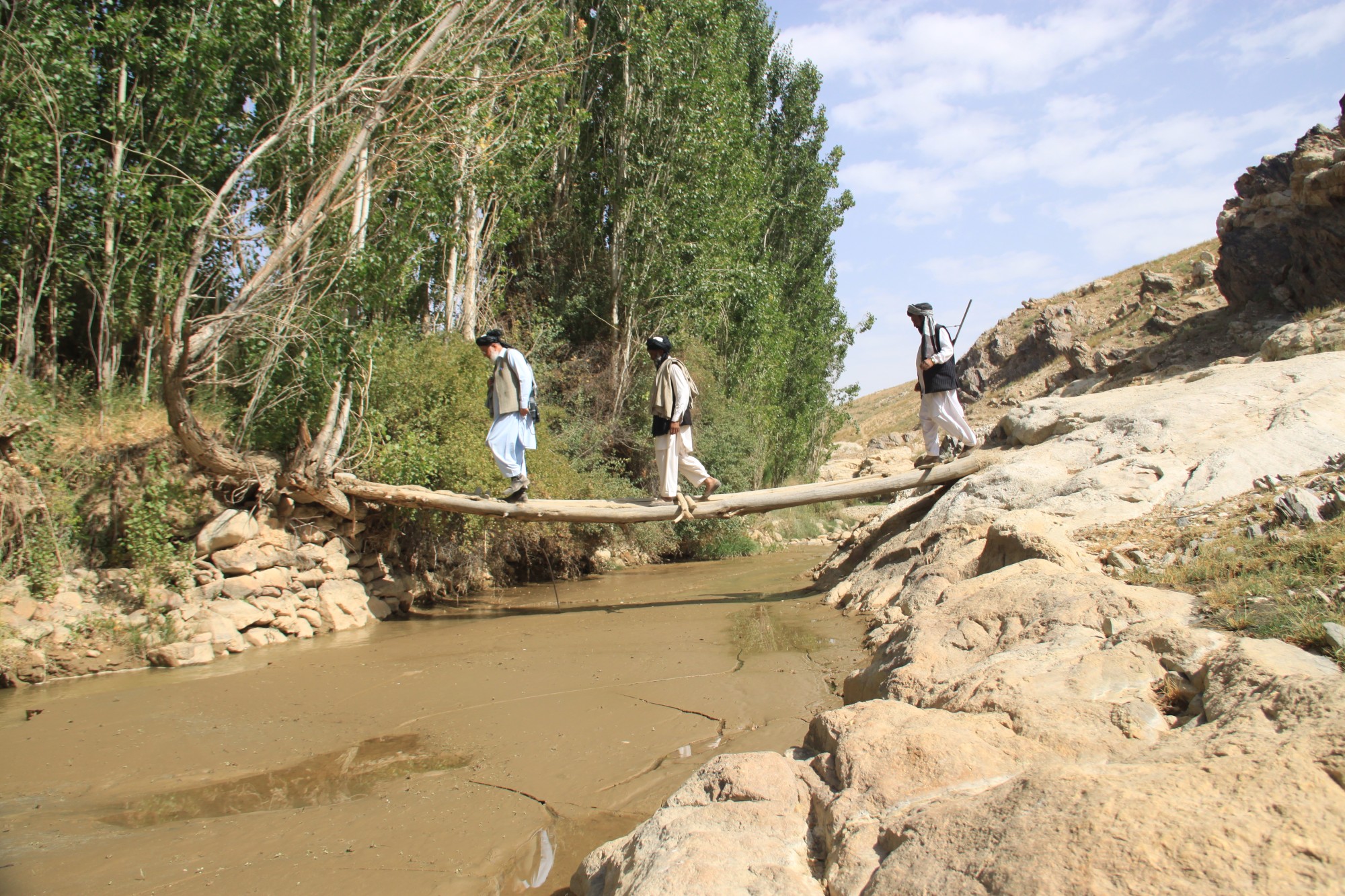
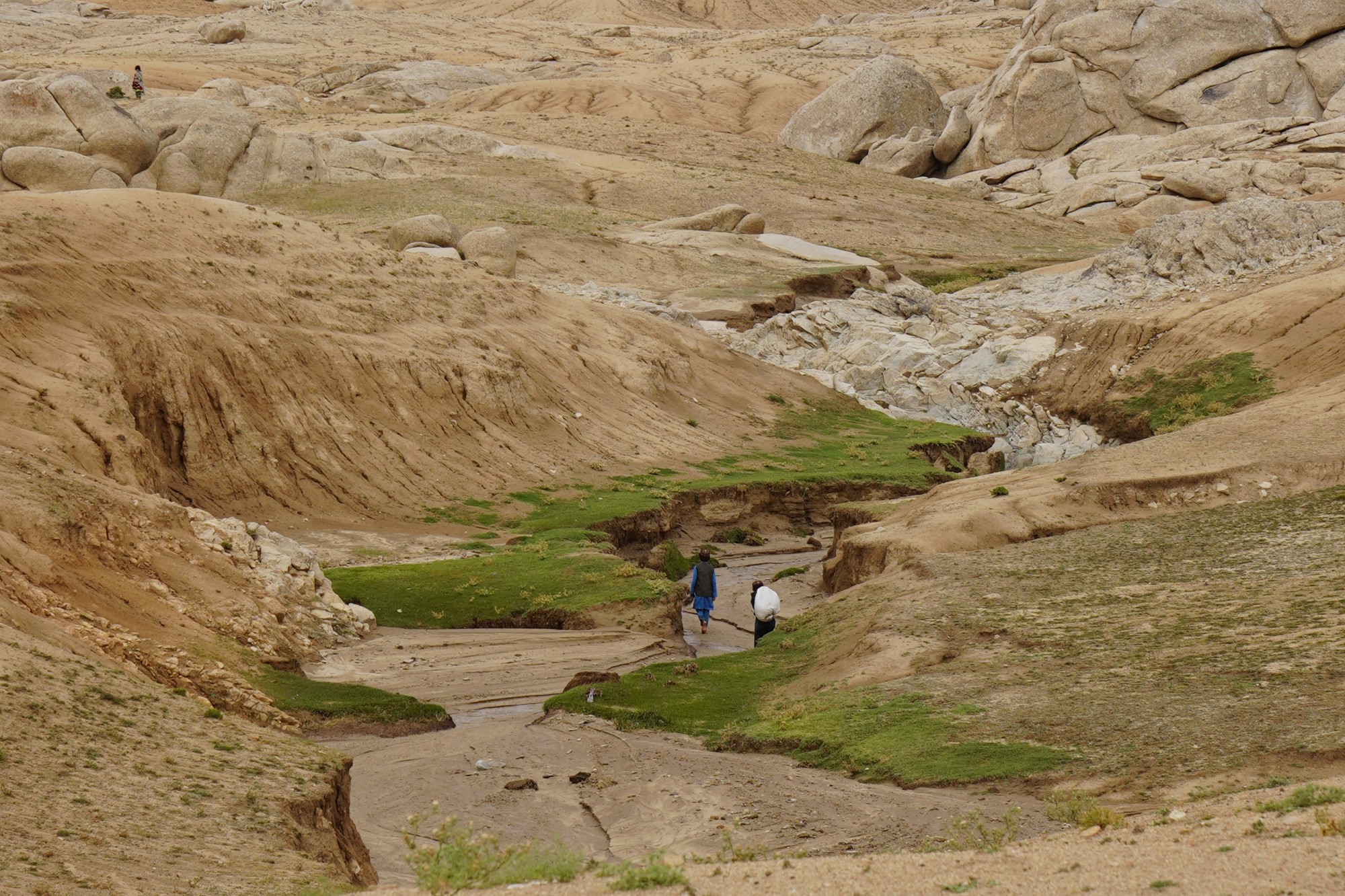
F.W.: Yes, I’ve been working on this geographical area for almost fifteen years now, focusing particularly on the question of water. I come from a rural territory in the Afghan mountains that depends on water to survive. I wanted to understand how agriculture could develop in such an arid land. I discovered a hydraulic system inherited from the Persian Empire — the karez. These underground irrigation galleries channel water from distant aquifers through tunnels that can sometimes stretch 30 or even 40 kilometres.
“At the Cairn, for the very first time, I chose to tell the story of water through its absence and to pay tribute to the craftsmen who still maintain these underground galleries.”
P.S.: This subject has fascinated you to the point of presenting it in art centres, most recently at the Cairn, in an exhibition titled Water Seekers…
F.W.: I find it incredible that those who began digging knew they would never see the water in their lifetime. It was a task that spanned generations. For me, that’s a radically anti-capitalist way of thinking: acting not for oneself, but for a community, with a vision of the common good. At the Cairn, for the very first time, I chose to tell the story of water through its absence and to pay tribute to the craftsmen who still maintain these underground galleries. So I created casts of bodies, which I then reproduced in plaster. I stapled them in places, reinforced them with scaffolding and supports. I then set these bodies in dialogue with large industrial water pipes, as if to highlight another kind of force. I didn’t want to recreate the setting of an underground gallery, but rather to evoke a different kind of strength. So there’s a connection between the earth, these pipes, and these bodies shaped by their labour.
P.S.: What are your next projects?
F.W.: I’ll soon be returning to Afghanistan to begin building an archive centre that will preserve the interviews conducted with the craftsmen, as well as their gestures, tools and know-how. I also plan to make a documentary on the subject. Otherwise, I’ve been working for three years with the Avant-Scène theatre in Cognac on the construction of a liveable public square on a river, designed to last ten years. It’s due to be launched either this autumn or next spring. I also have a project entitled What the Sky Doesn’t Know, about drone attacks in Afghanistan, planned for 2026 with the Fondation Cartier.
Follow Feda Wardak’s projects on his Instagram account.