Plein Sud : The HDE Var tackles the universal phenomenon of ghosts through an unprecedented approach, blending anthropology, art, and culture. What story does this unique immersion tell, straddling the world of the living and the beyond—and how did it all begin?
Ricardo Vazquez : The Ghosts exhibition seeks to question this familiar figure—at once unsettling and comforting—through a dialogue between multiple disciplines: archaeology, literature, comics, the arts of early civilizations, science, and contemporary art all come together to explore the usefulness of ghosts, which is clearly of great importance to the living. To achieve this, Philippe Charlier (general curator, forensic doctor and anthropologist), Pascal Orsini (curator for comics), and I worked closely together to create a journey that resonates in our unconscious while also engaging our intellect.
P.S. : Conceived as a unique multidisciplinary investigation, the exhibition explores a realm of the supernatural that is rarely addressed. What was your intention?
R.V. : Exploring the realm of spirits offers an opportunity to reflect on our relationship with this figure of the invisible—on what it reveals about us, our fears, and our hopes. Philippe Charlier, the exhibition’s chief curator, captures the intention well:
“We are not trying to determine whether ghosts exist, but rather why almost everyone believes in them.”
P.S. : Boltanski’s work is permeated throughout by ghosts. Why do you believe his art is so emblematic of this exhibition?
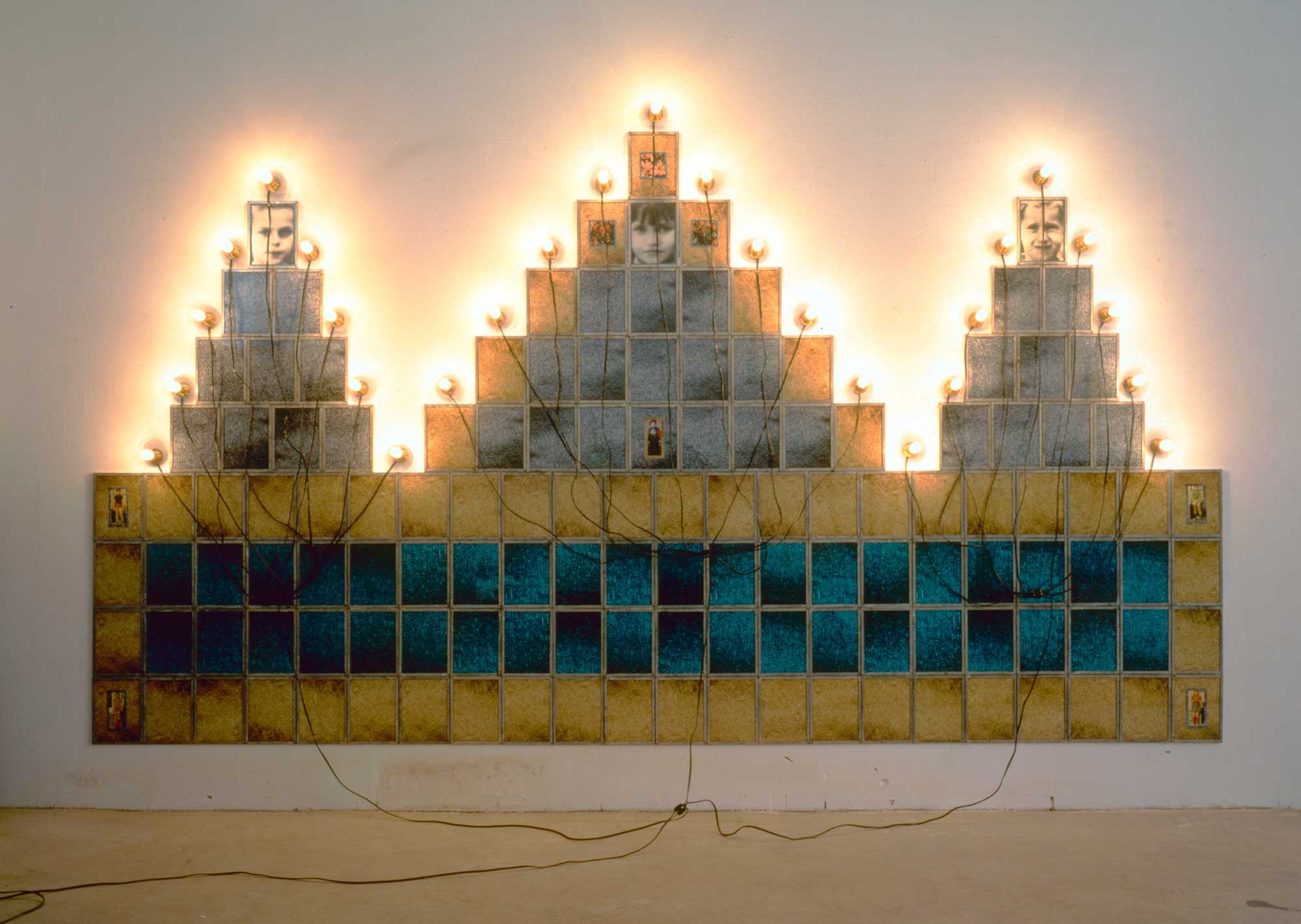
R.V. : Christian Boltanski reflected deeply on memory, loss, mourning, and death—whether that of the child we once were and who has vanished, or of anonymous others. The underlying presence of the Holocaust, though rarely made explicit, is also a defining feature of his work. The spiritual, at times metaphysical, dimension intertwines with the dreamlike quality of a piece such as Ombre, which we are fortunate to present here alongside Monument and Reliquaire.
P.S. : Which other artists will visitors encounter?
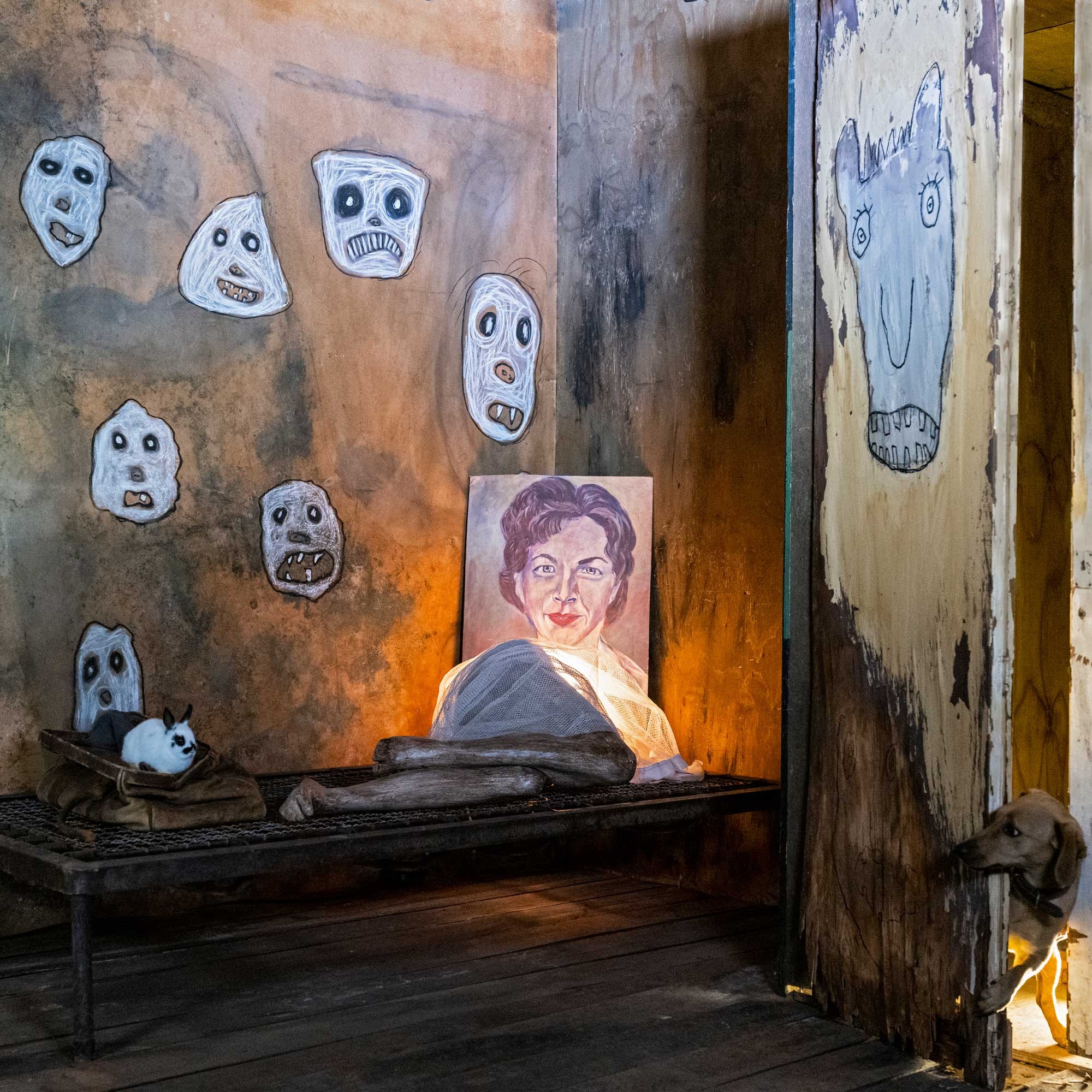
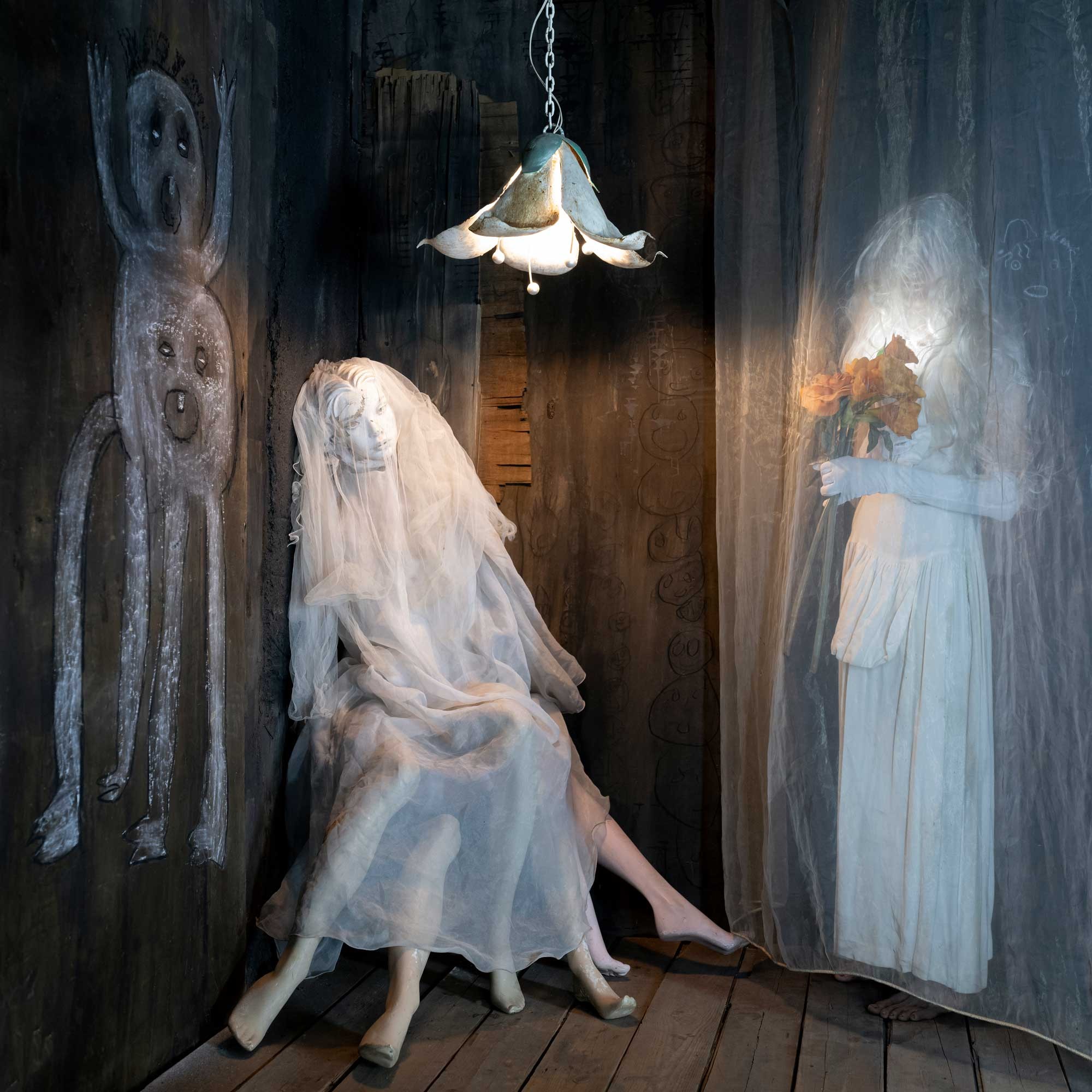
R.V. : The exhibition brings together around 300 works from all continents and eras. It features numerous artists, including Roger Ballen, Alain Fleischer, Bernard Plossu, Sophie Calle, Enki Bilal, Jacques Tardi, and Morris, as well as Victor Hugo, Odilon Redon, Gustave Moreau, Guy de Maupassant, and François Reichenbach’s Mexican collection.
P.S. : In what context was this museum created, and what are its ambition and guiding vision?
R.V. : In 2016, the Var department set out to offer the inhabitants of central Var a venue capable of presenting exhibitions of a national standard. Since 2023, this ambition has been reinforced by the elected officials’ commitment to ensuring access to culture for all. The museum’s mission is to shed light on history and civilizations by drawing on every medium and artistic discipline—including, of course, contemporary art.
P.S. : Does the museum have a collection of its own?
R.V. : The Var department holds several collections—contemporary art, archaeology, natural sciences, and folk arts and traditions—but the HDE Var does not have a collection of its own. Its mission is to present temporary exhibitions by commissioning works (most recently from Stéphane Thidet, the Poirier duo, and Camille Grandval) and by drawing on numerous lenders: national and international museums and institutions, the CNAP, FRAC, BNF, galleries, and private collectors.
P.S. : Is the museum open all year round?
R.V. : It is open during the two temporary exhibitions we organize each year: from June to September/October, and from December to March/April.
P.S. : Could you tell me about Draguignan and its surroundings?
R.V. : The city of Draguignan served as the capital of the Var department from the late 18th century until 1974, when it was transferred to Toulon. It boasts a remarkable range of cultural facilities, especially considering its population of just over 40,000: three museums bearing the “Musée de France” label, including a beautiful municipal Fine Arts Museum, as well as a conservatory for music and dance, a large media library, and several cinemas. The Var department itself maintains the HDE Var, the departmental archives, and the departmental media library in the city.
P.S. : Is the nearby Abbey of La Celle also managed by the Var Departmental Council?
R.V. : Yes, it is a historic monument that has for several years hosted exhibitions of contemporary photography, featuring artists such as Barbara Luisi, Raphaël Dallaporta, and Georges Rousse. We also manage a Natural History Museum in Toulon, which bears the “Musée de France” label, an Ecomuseum in Le Beausset, and we are launching the renovation of the Royal Convent in Saint-Maximin, which will house a medieval museum along with a garden.
P.S. : What will your next exhibition be?
R.V. : Our next exhibition, opening on December 12, 2025, will focus on carnivals from near and far. It will also encompass numerous media and disciplines.