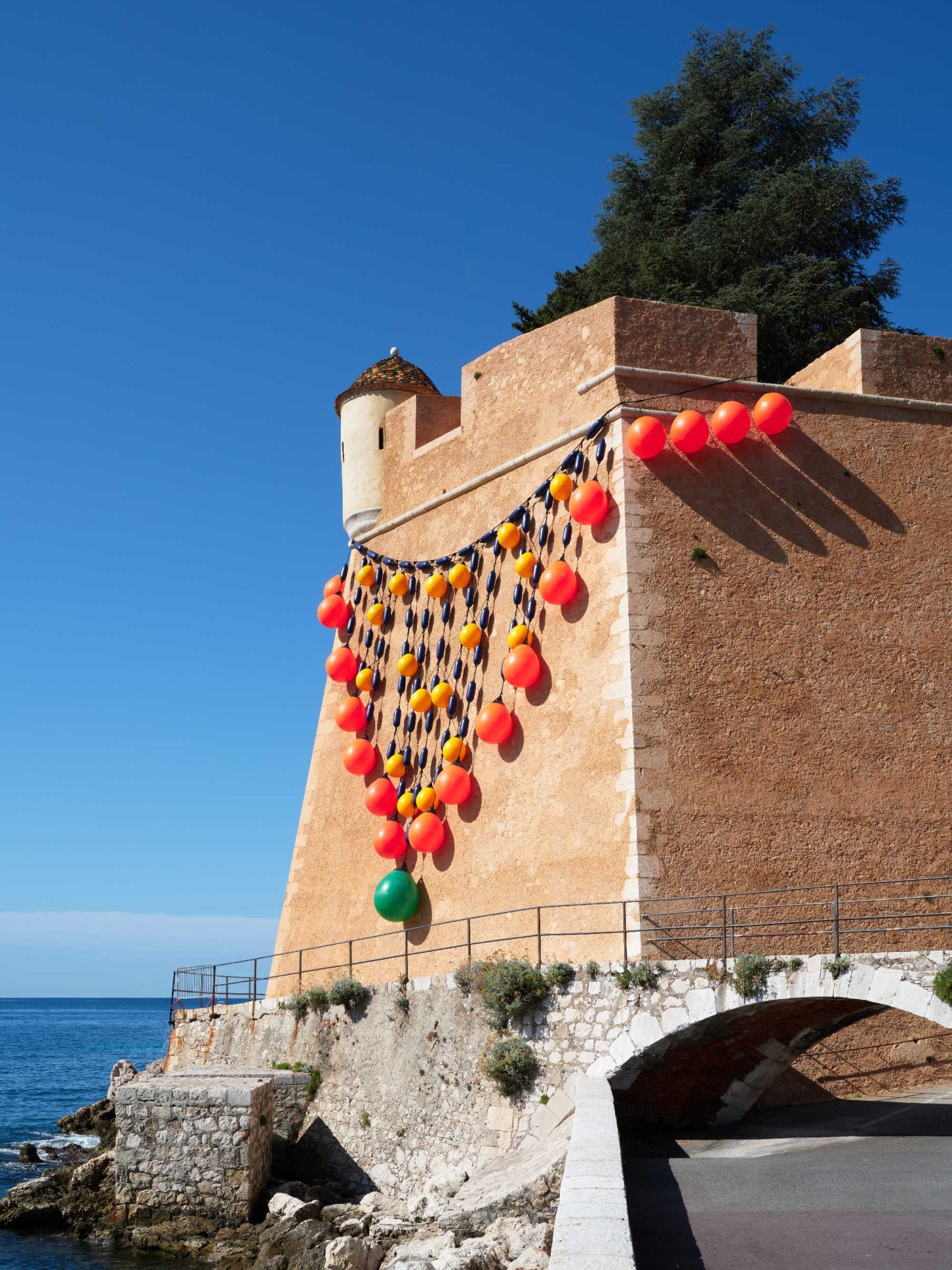
Plein Sud: Each year, you create an element of surprise at La Citadelle, with highly staged exhibitions conceived as enchanting, immersive worlds, almost like pieces of theatre. Where does this approach come from, and is it connected to your first encounter with the site?
Camille Frasca: I have known La Citadelle since childhood, having grown up on the French Riviera. To me, it was an impressive piece of architecture, deeply connected to the sea and the Mediterranean landscape, where my family and I would go to open-air cinema screenings in the summer. Many years later, when I saw the vacancy for the position of director and the opportunity to rethink the cultural project surrounding this historic monument, I felt the stars were aligning. After eleven years in Paris and a wonderful professional adventure at the Musée national Picasso, I had recently begun looking for a position in the South of France.
P.S.: You took over as director of La Citadelle four years ago. How did you shape your vision for the site?
C.F.: From the outset, I wanted the project to focus on the site’s unique character. La Citadelle is an exceptional place in many respects. It is a 16th-century fortress perched on a rocky promontory above the sea, bearing witness to the history of trade, human movement and power across the Mediterranean. It also lies at the heart of the town, between the village and its harbour. It houses the town’s art collections, whose richness deeply impressed me. Finally, it is a genuine labyrinth, perfectly suited to a dialogue with contemporary creation. All these elements have shaped a project that continues to evolve, while also responding to the needs of our time: creating a truly memorable visitor experience within a monument undergoing a long and ambitious transformation.
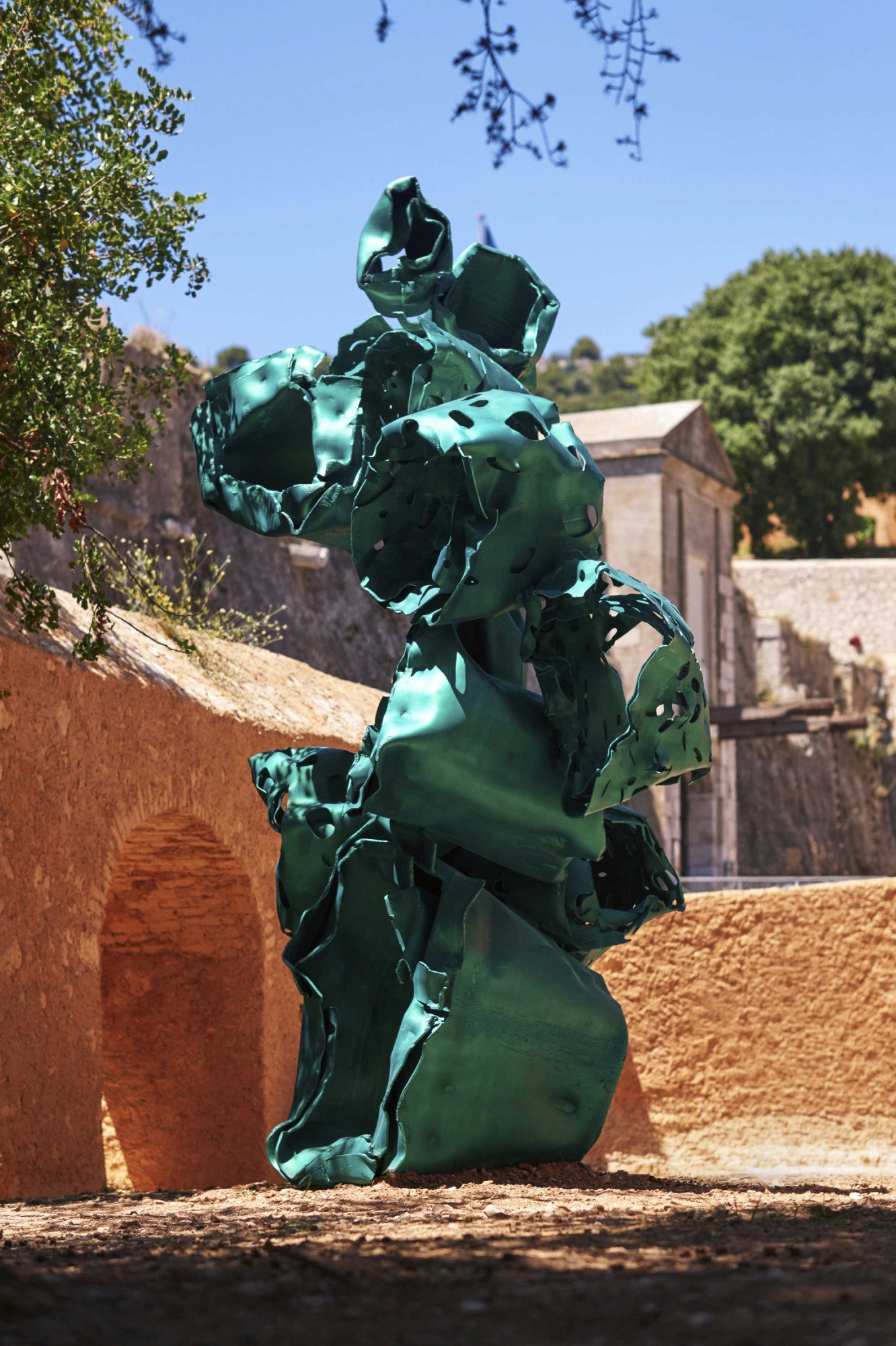
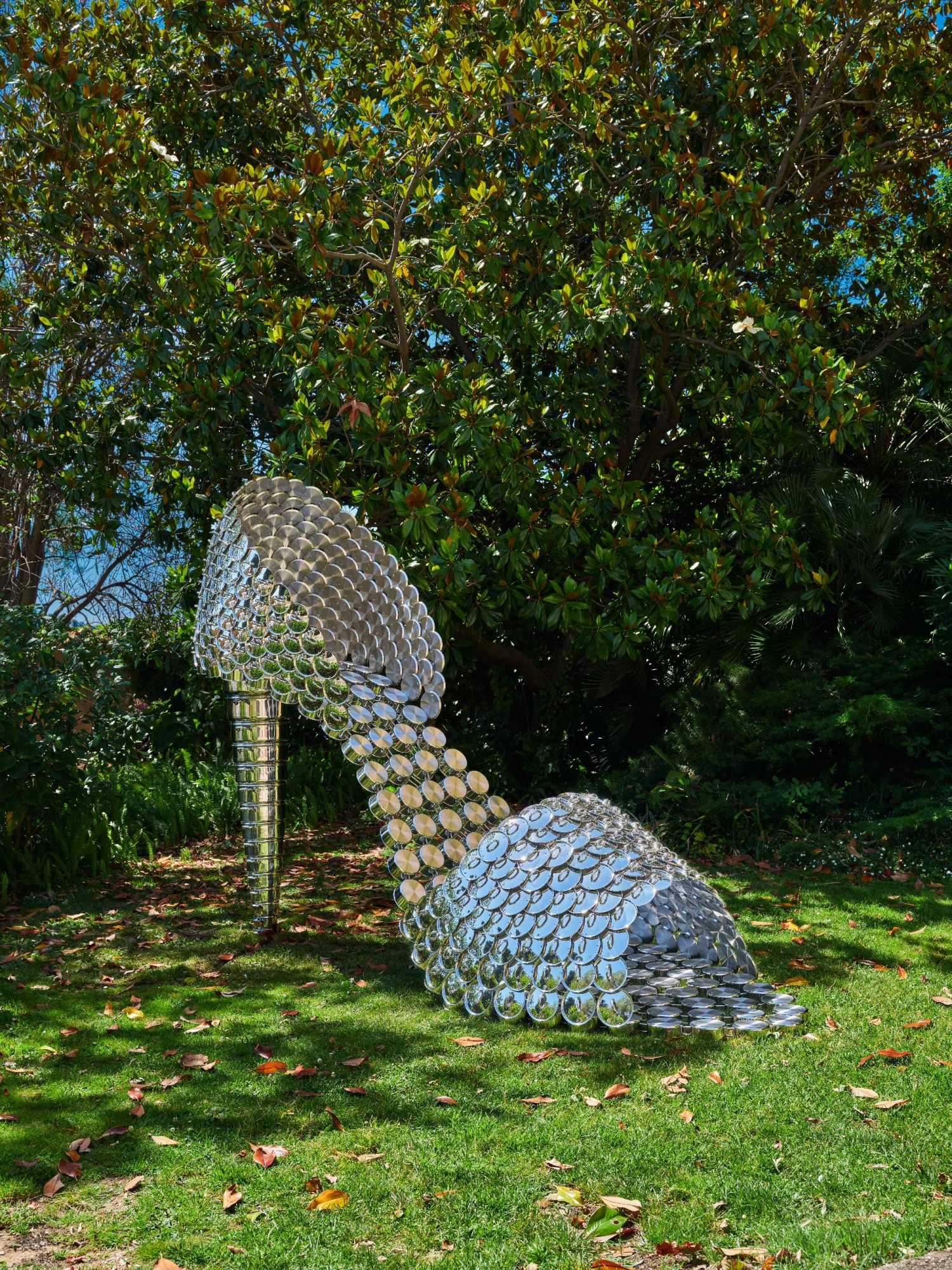
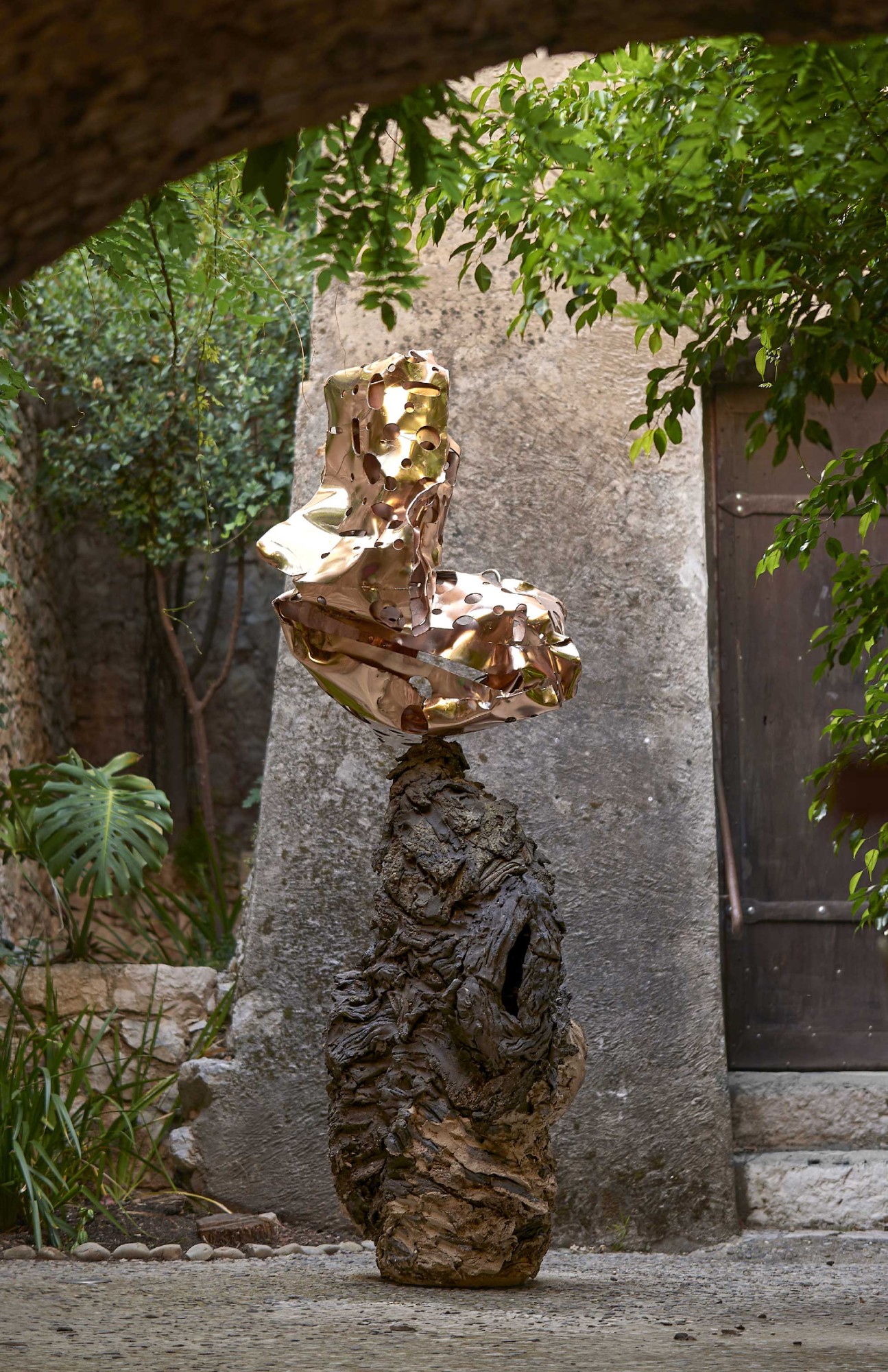
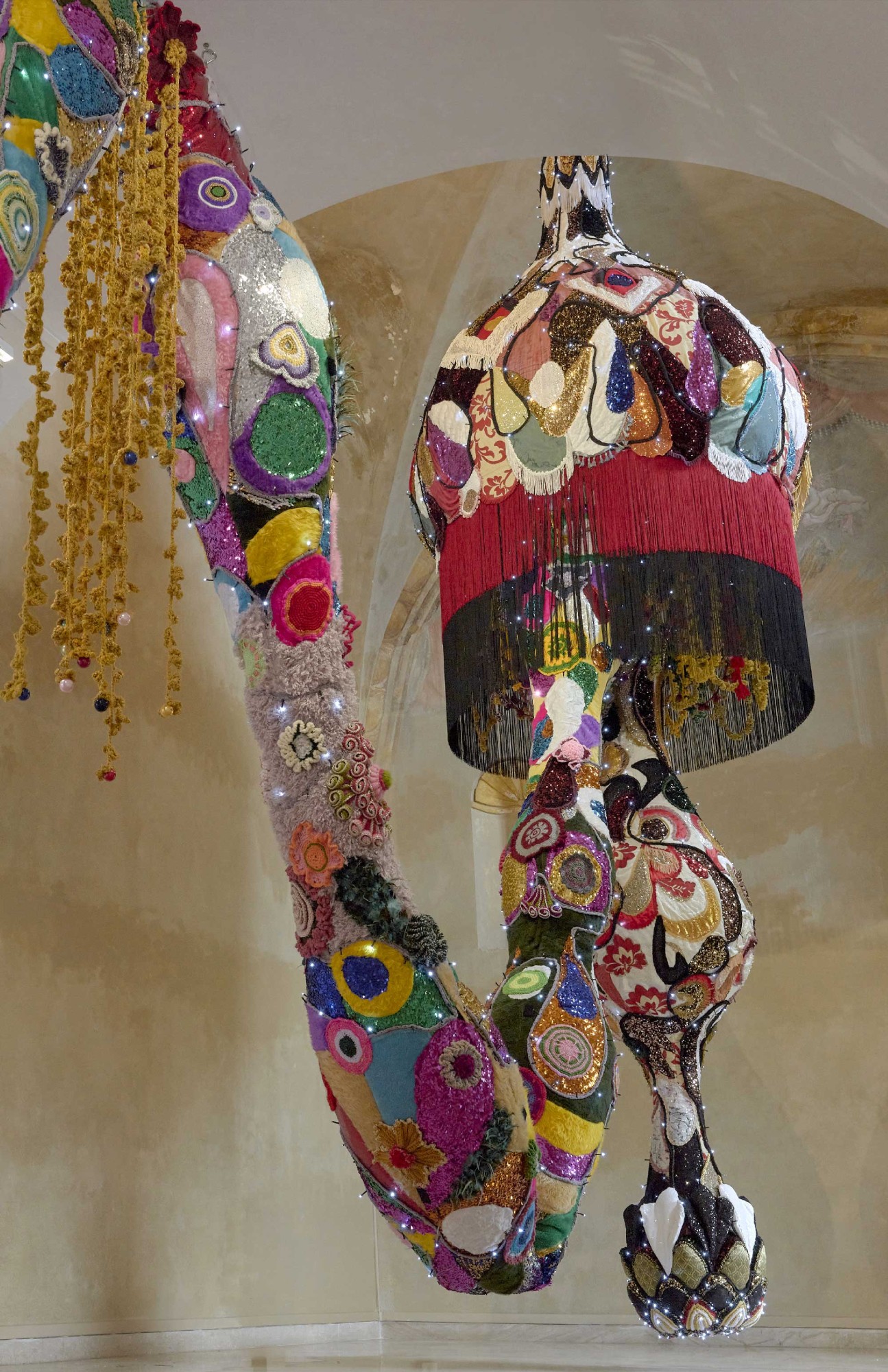
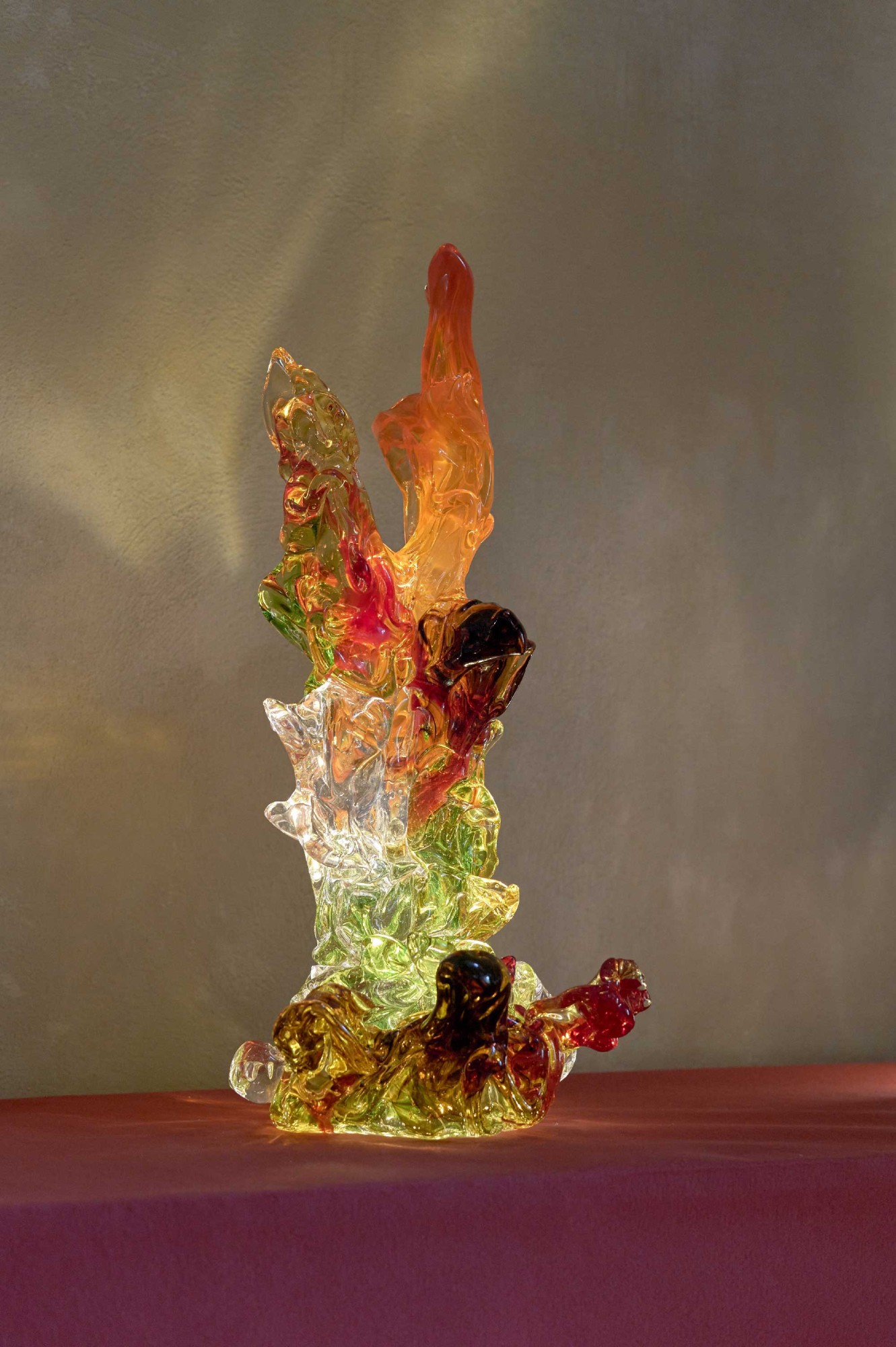
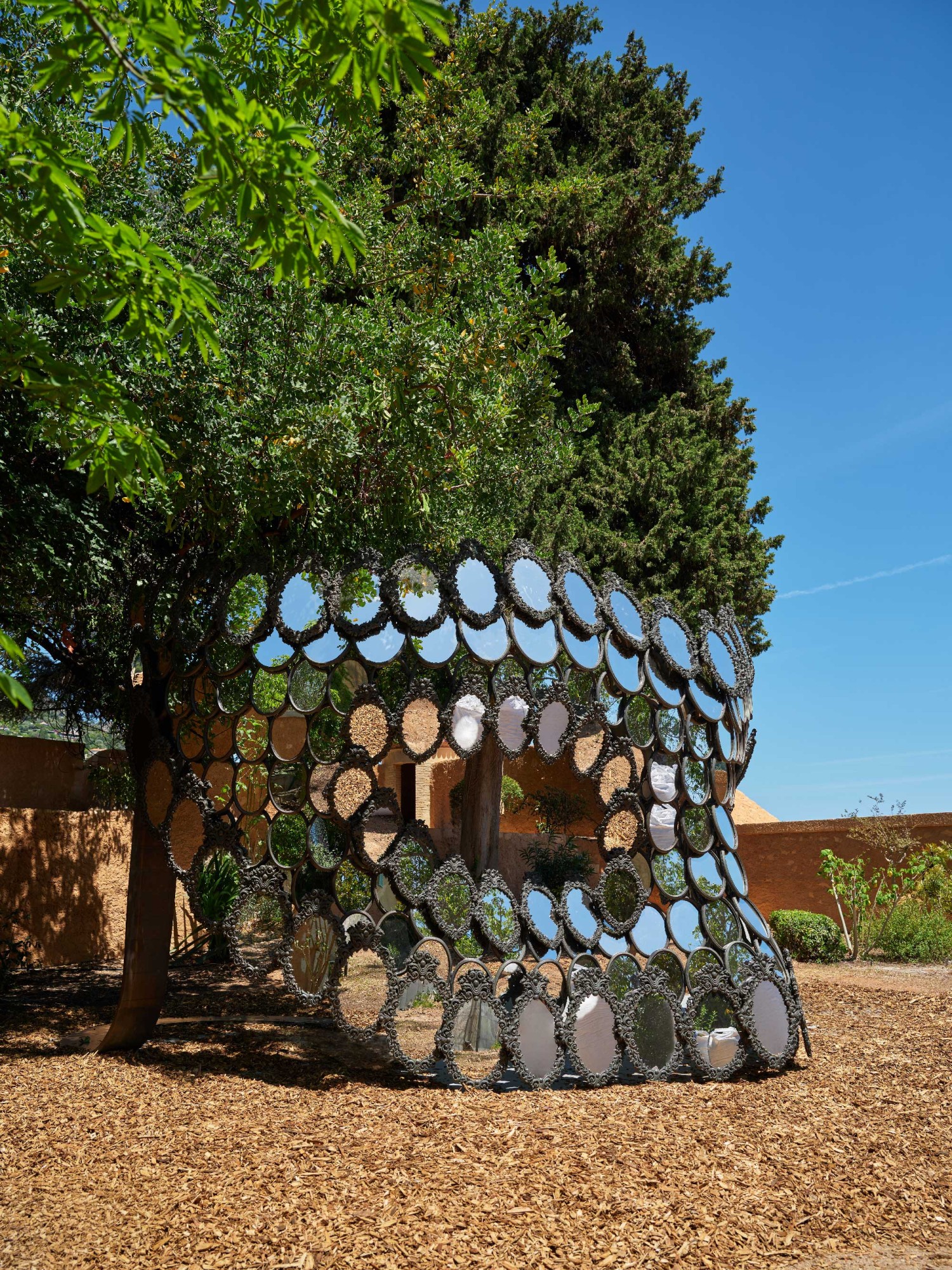
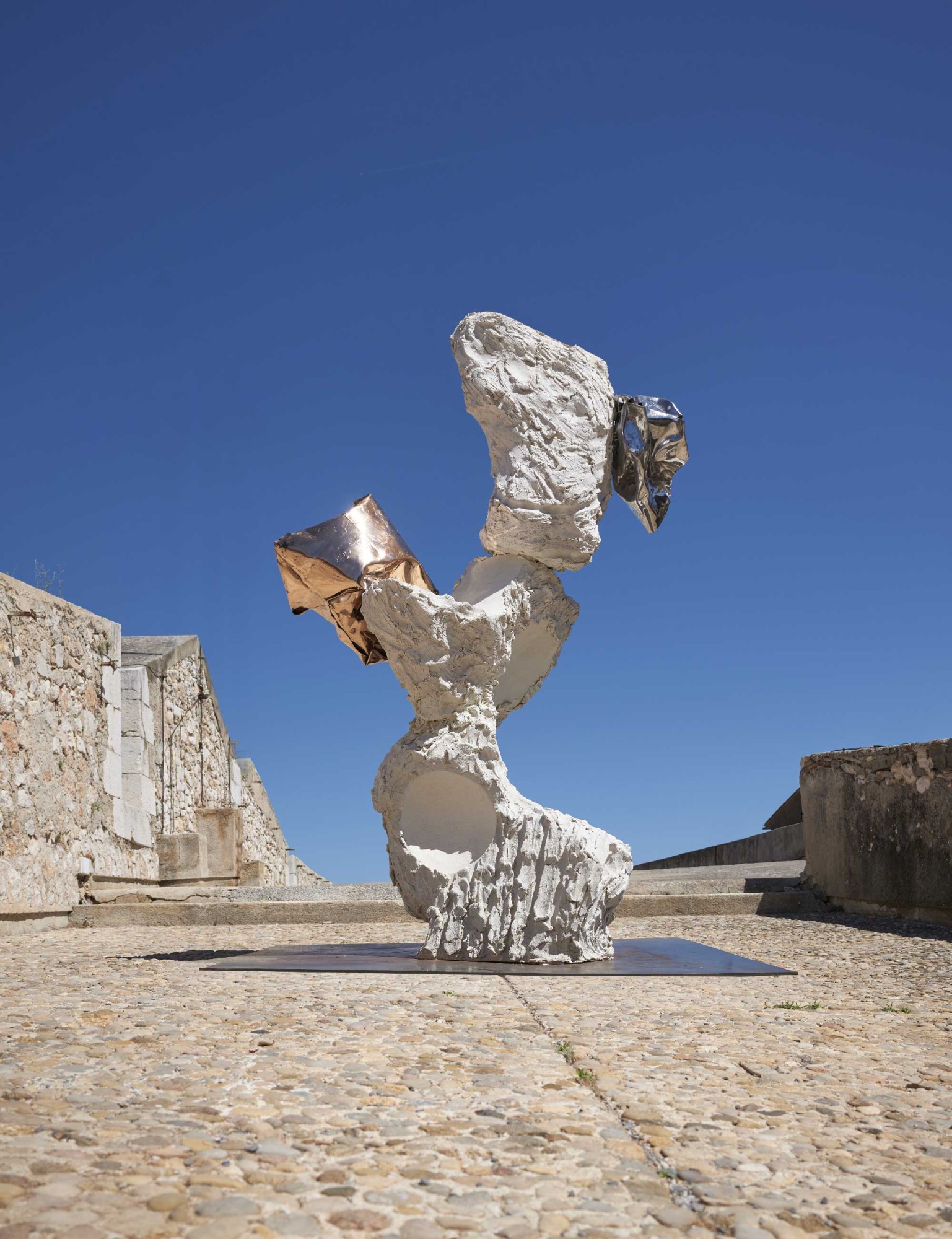
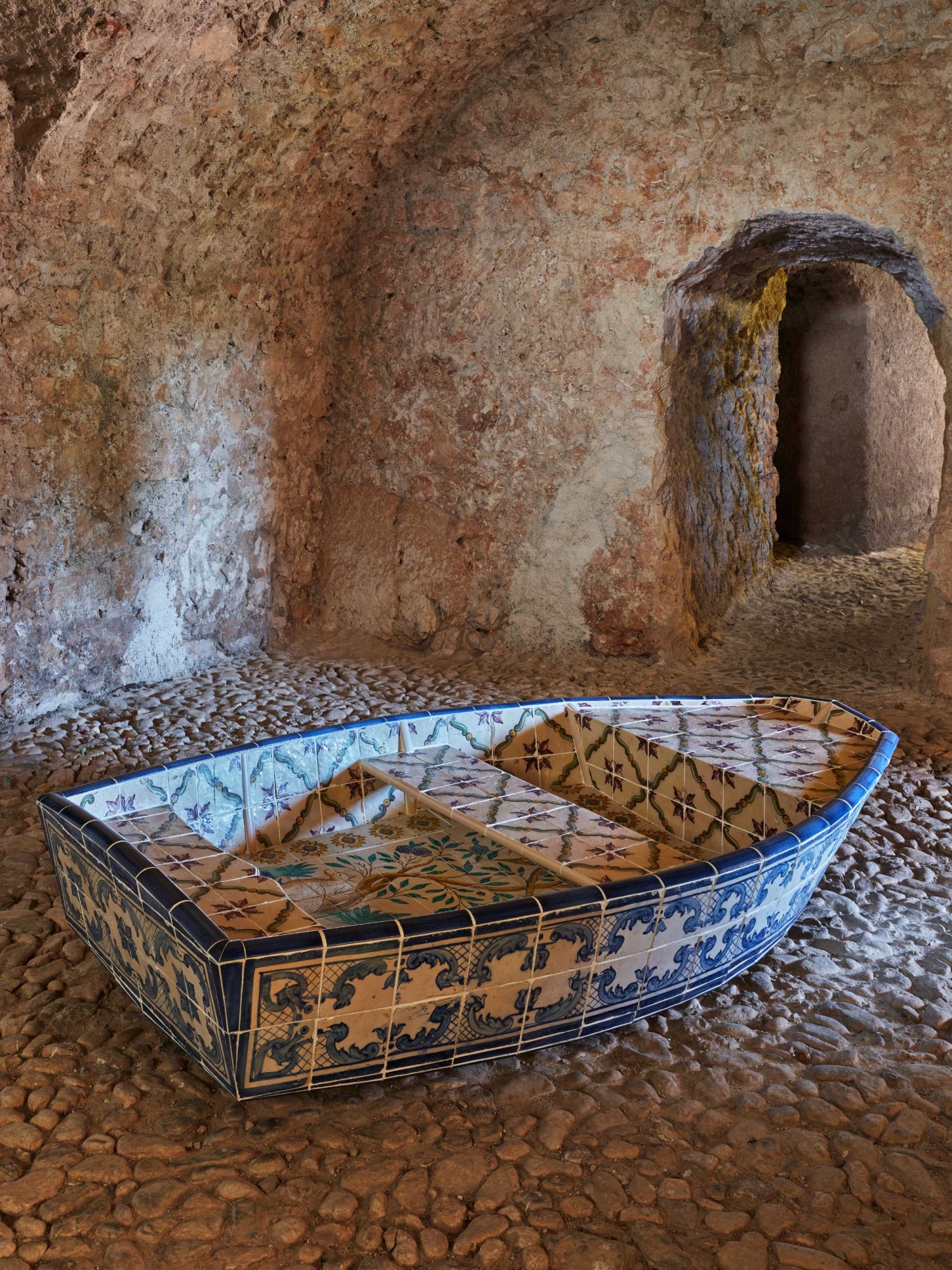
P.S.: Jean-Baptiste Bernadet, Jeanne Susplugas, Emilija Skarnulyte, Ryan Schneider, Estrid Lutz… Despite their different practices and artistic worlds, a common thread runs through all the exhibitions presented at La Citadelle: each time, the works enter into a particularly sensory dialogue with the architecture and the almost exotic gardens. How do you select the artists who shape this site-specific programme?
C.F.: I always invite the artists to visit well in advance and encounter the architecture, almost as though they were meeting a person. The beauty of the site inevitably encourages them to immerse themselves in it, question it and allow themselves to be carried along by it. Their work is naturally, and happily, shaped by this encounter, which is what makes each proposal so distinctive and surprising. The only condition I set the artists I invite is this: devise the exhibition trail in dialogue with the site, through a purely in situ approach.
P.S.: All the exhibitions presented at La Citadelle convey a sense of poetry and joy… Do you believe that art’s purpose is to help us forget the darkness and sometimes harsh realities of life?
C.F.: I am indeed particularly drawn to artistic proposals that engage with material and colour, while also saying a great deal about our societies. Imagination and poetry are ideal ways of questioning reality, even its darkest aspects. I am thinking of the work of French artist Jeanne Susplugas, who explores the many anxieties we experience in the face of a world in turmoil, or that of Lithuanian artist Emilija Skarnulyte, who creates immersive, fantastical video and sound installations addressing the ecological crisis.
P.S.: This year, you take this exploration of the imagination even further with Arne Quinze and Joana Vasconcelos, through dreams and Surrealism. How did you, Selcan Atilgan, Clare Lilley and the artists conceive this journey of chance encounters with the works?
C.F.: La Citadelle is a place where it is a pleasure to lose oneself. I invited the artists to take over a wide variety of spaces, including gardens, courtyards, underground rooms and the former chapel, each with its own distinctive identity and each encouraging their works to enter into dialogue with the site. The idea of chance encounters is particularly interesting because I believe this is what Selcan, Clare and I wanted to explore: presenting the work of two leading figures in contemporary art in an unexpected way, renewed by the presence of a centuries-old building that becomes the artists’ principal partner.
P.S.: The exhibition also refers to the poetry of Cocteau, who left his mark on the town. How does his work influence or permeate the practice of artists undertaking residencies at La Citadelle?
C.F.: It is exciting to see that Jean Cocteau continues to move and inspire contemporary artists. He is an important figure in Villefranche-sur-Mer, and I believe it is his status as a total artist that appeals to those we invite: a poet, writer, filmmaker, draughtsman and theatre director, with an extraordinary sensibility that defies classification. Joana and Arne wanted to pay tribute to him through the exhibition’s dreamlike title, its poster, which nods to The Testament of Orpheus, and the very concept of the exhibition trail, conceived as a fantastical passage between architecture and the sea.
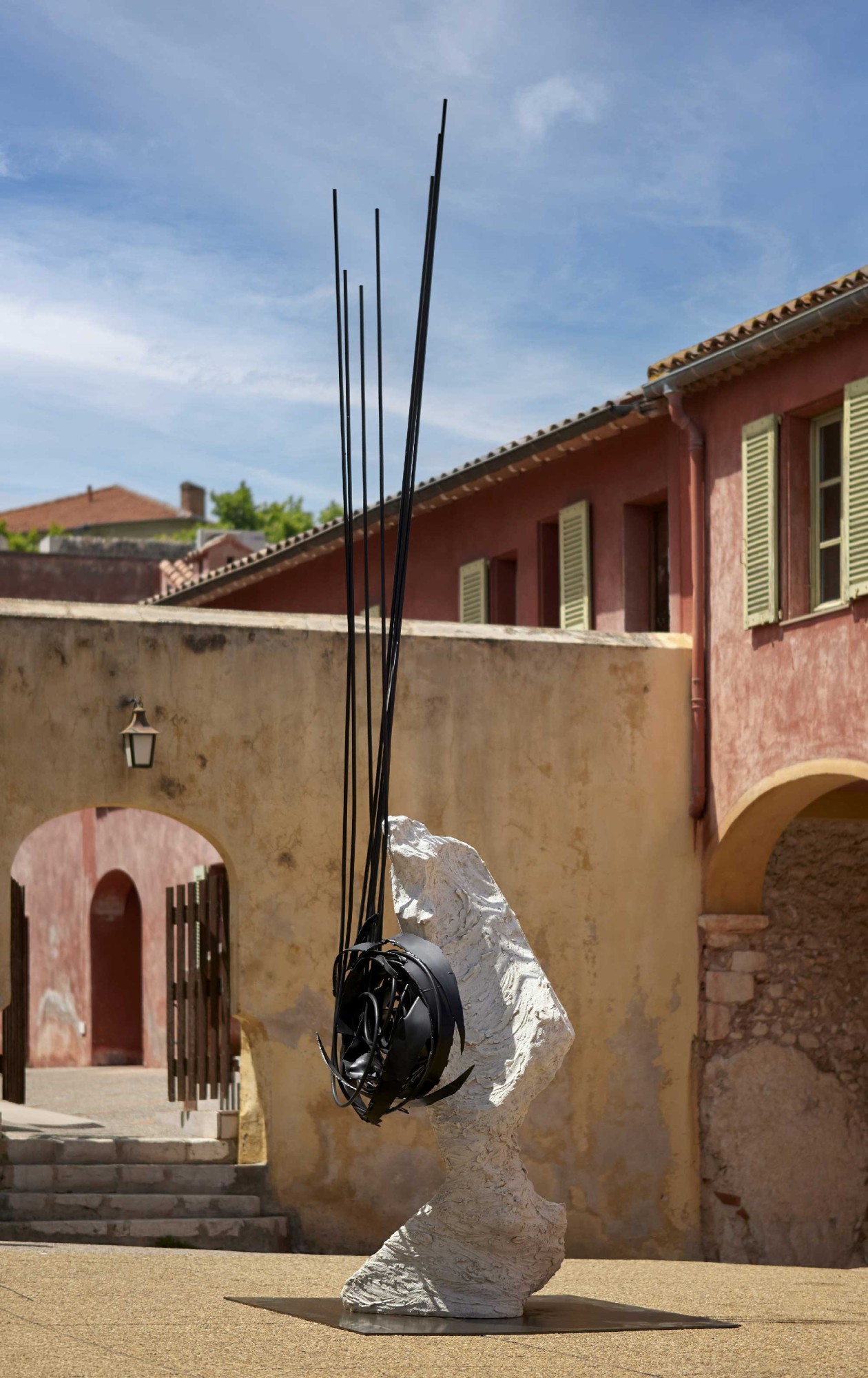
P.S.: The natural environment is ever-present here. Could you tell us about the history of these gardens and stones?
C.F.: La Citadelle, which covers three hectares, was built from 1557 onwards, when the region was under the control of the Holy Roman Empire and raids along the Mediterranean coast were becoming increasingly frequent. For several centuries, it was one of the coast’s foremost defensive sites and remained under military control until the late 1950s. It was subsequently purchased by the town and listed as a Historic Monument in 1968. Numerous redevelopment plans were then considered, before attention ultimately turned in the late 1970s to renovating one and a half hectares of the site. This made it possible to create several cultural facilities, including galleries devoted to the town’s collections, an open-air theatre, an auditorium, administrative offices and gardens. The almost tropical microclimate found between Villefranche and Menton has allowed vegetation to flourish quite remarkably in several areas, which now form a green lung within the building.
P.S.: When will the new museum open, and what kind of programme are you planning for these new spaces?
C.F.: Today, La Citadelle is both an art centre and an accredited Musée de France. For the time being, visitors can discover our contemporary art programme in dialogue with the site. Soon, they will also be able to explore a permanent display devoted to the town’s collections, forming the Musée de La Citadelle. We are about to launch a call for tenders to appoint a museum architect who will work with us on designing the dedicated spaces. We are planning sections devoted to major artists associated with Villefranche, such as the sculptor Volti, as well as the Fluxus group and La Cédille qui sourit, alongside thematic sections exploring subjects such as landscape painting.
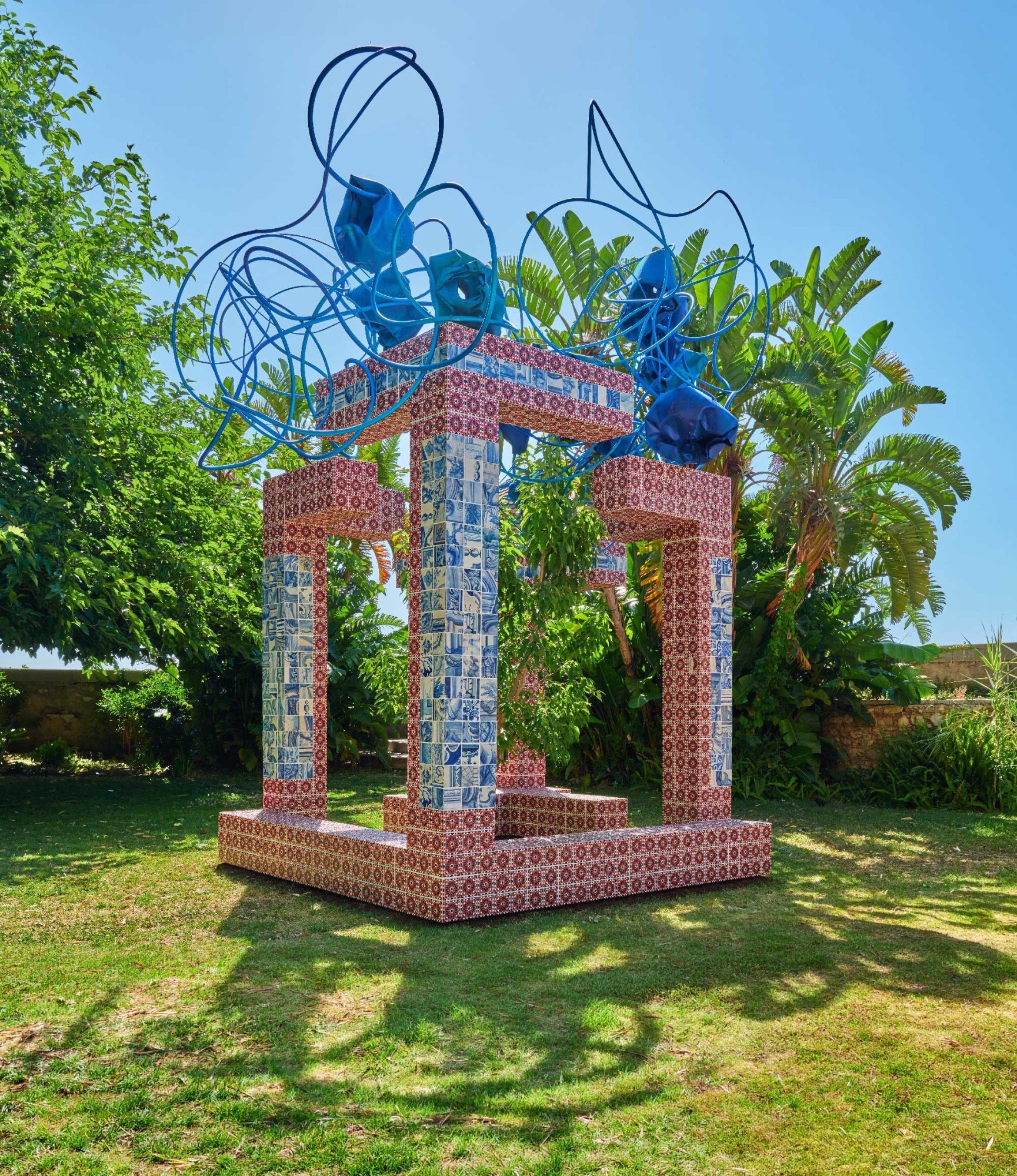
→ The Absurd and the Dream, Arne Quinze and Joana Vasconcelos, until 31 October 2026 at La Citadelle – Centre d’Art & Musée, Villefranche-sur-Mer.
→ Discover our art itinarery along the Côte d’Azur, from Biot to Menton