Renamed Collection Thalie in 2026, Fondation Thalie, founded by Nathalie Guiot in Brussels, has shifted over the past decade from contemporary art towards bio-based design and living materials. She now supports art and design projects rooted in the Arles region that embrace environmental and social concerns, through an annual production residency and an exhibition space at the foot of the Arles Amphitheatre. There, in a fully restored residence within an eighteenth-century townhouse, she invites artists and designers to rethink our relationship with the living world and with place through a poetics of materials and gestures, while also addressing the climate emergency. An interview.
Plein Sud: Collection Thalie has gradually developed since 2008 around women artists, craftsmanship and ecological narratives. Could you tell us how it began?
Nathalie Guiot: The collection is closely linked to the evolution of the Foundation’s projects. Through these encounters, artists led me to acquire works or donated pieces to the Foundation. Indeed, 2008 was when I began taking a close interest in artistic creation. As a former journalist and publisher, and later an author, I already had one foot in the art world through writing and investigation. I attended art fairs, met artists in their studios and explored how people collect, how a patron builds relationships with artists and commissions works (Conversations artistes et collectionneurs, published by Les Presses du réel)… This investigative work very quickly took on a social dimension. I began developing off-site projects focusing on women, performance and video, eventually leading to the projects we are working on today, which explore regionally sourced materials, local craftsmanship and new ways of producing with the living world.
P.S.: By bringing together weaving, embroidery and straw marquetry, the exhibition Tisser les imaginaires, on view in Arles until 31 July, creates a fruitful dialogue between contemporary works and the research into bio-based design conducted by ALEOR CRAFT & BIODESIGN. Could you tell us more about this studio, founded in 2025, and its research and production residencies, whose work the public can discover each summer in an exhibition space in Arles?
N.G.: It is a creative studio based on foraging, observing the local environment and working with bio-based materials. It underpins residency projects centred on natural resources and local craftsmanship, such as the one developed with artist Leo Orta this summer. With this new research studio, I invite designers to produce pieces that address the depletion of resources. The real question is: how can we revive local supply chains, work with all the stakeholders involved and continue to develop a form of design that is far more conscious of these ecological issues?
P.S.: How did you come to choose this artist for the residency in Camargue?
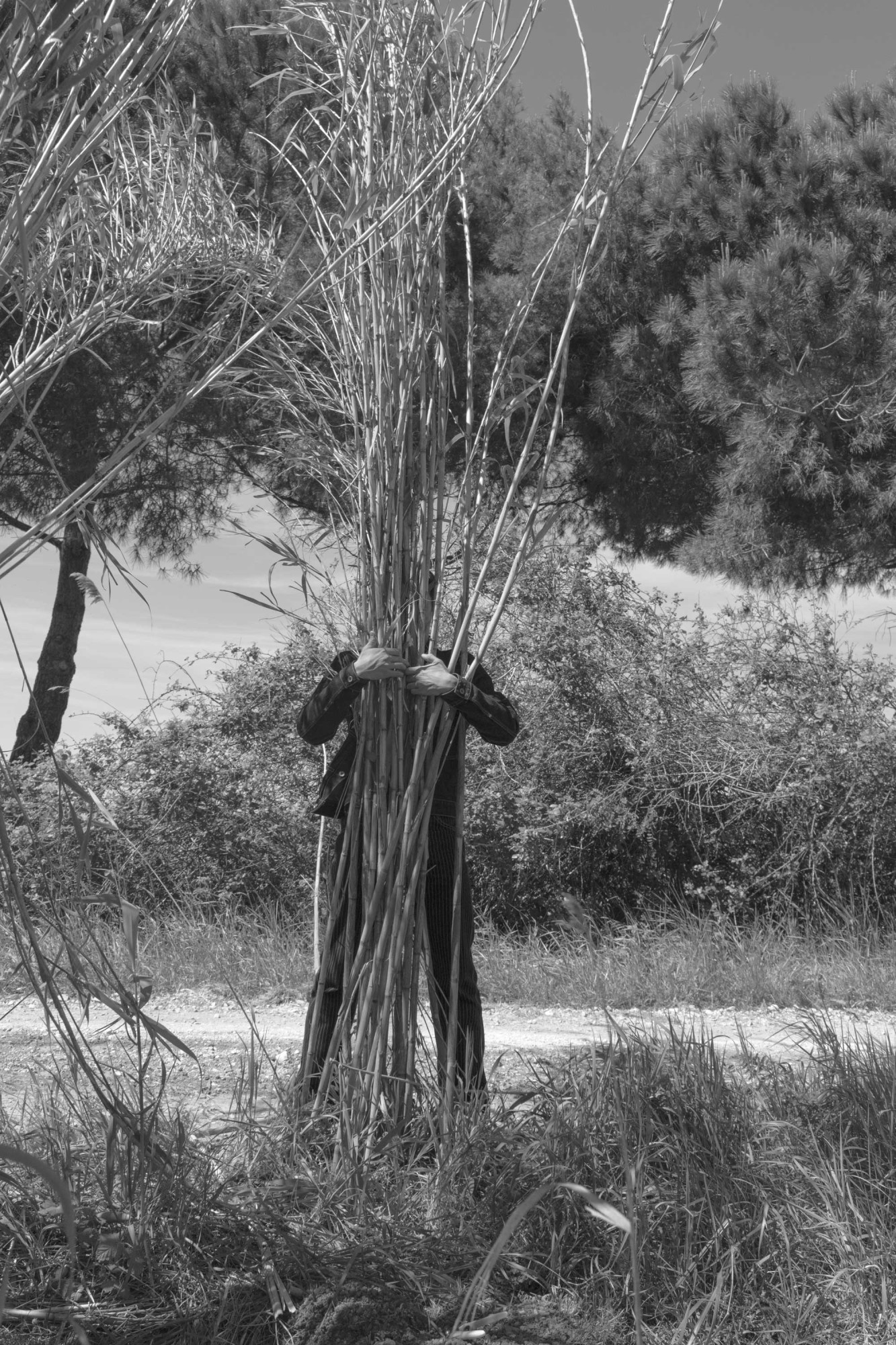
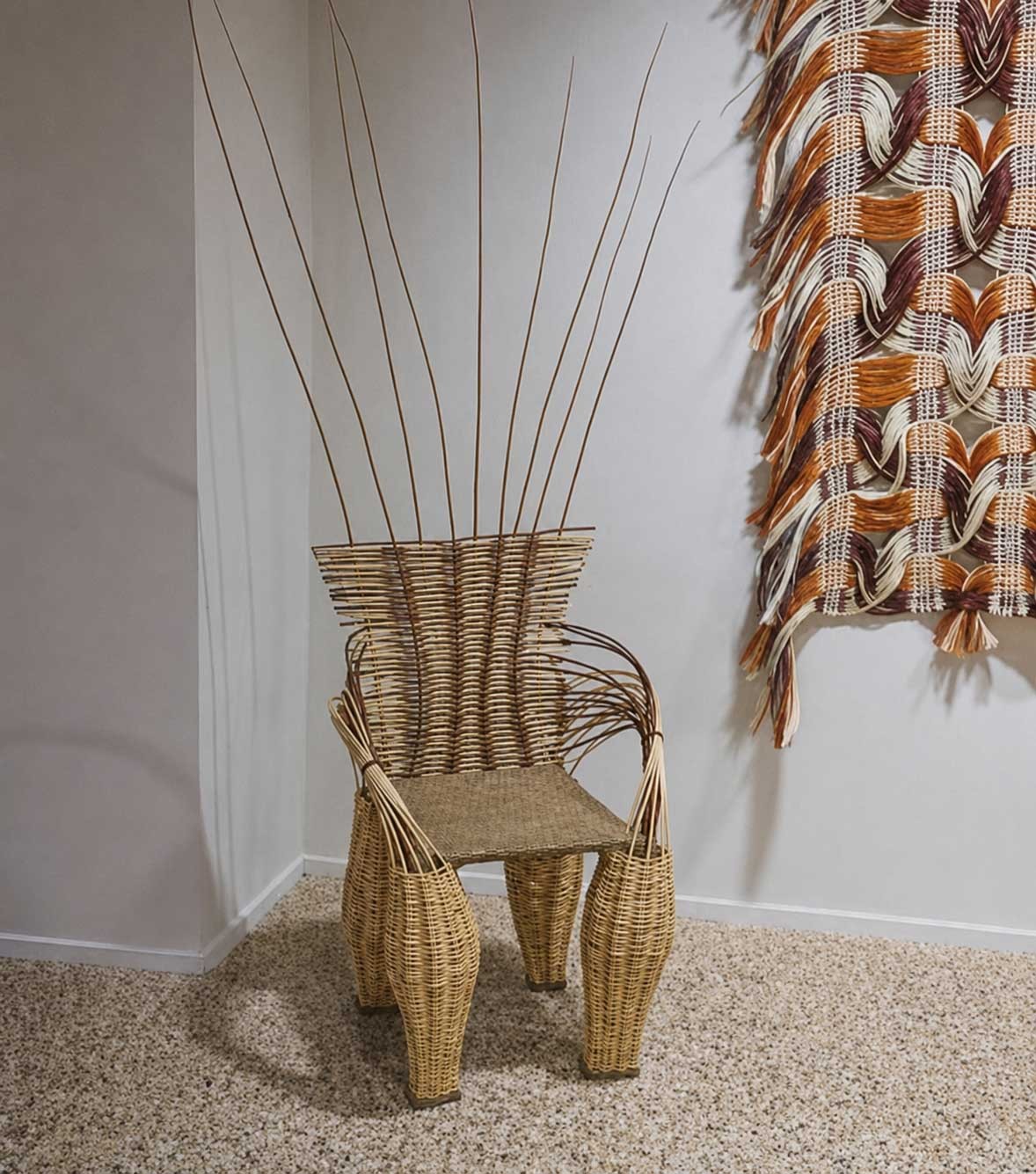
N.G.: Quite simply, Leo wanted to come to Camargue to explore these questions around the living world, particularly through willow, rattan and giant reed. He comes from a family deeply committed to environmental issues and has extensive experience in sculpture. During his residency, he focused more specifically on basket makers, whose craft is disappearing as a result of globalisation. He collected, foraged and sourced materials across the region, then used them to create pieces in his studio. His experiments led him and his team to learn new soaking and assembly techniques, resulting in pieces such as table and floor lamps, as well as a striking statement armchair that the Foundation will add to its collection.
P.S.: How would you define your artistic tastes?
N.G.: You could say I am anything but conceptual, even though I appreciate conceptual art. I need materiality, texture and poetry. Most of the artistic practices that attract me today are those in which art serves as a means of working towards a better and fairer world. This can be seen, for example, in the work of Rosana Escobar or Sheila Hicks, who forge connections with Indigenous communities; in that of Catherine Boch, whose maps denounce environmental scandals such as the red mud disaster; or in the work of Adrien Vescovi — currently exhibiting at the Centre de la Vieille Charité in Marseille — who reuses existing materials and fabrics to reimagine settings and landscapes…
P.S.: You have edited several books devoted to environmental issues, including Créateurs face à l’urgence climatique (2023), which emerged from a series of conversations bringing together artists, scientists, designers and researchers… How did ecological narratives find their place within this body of work?
N.G.: I cannot say that I had a strategy mapped out in an Excel spreadsheet from the outset. It was much more intuitive and organic, shaped by the Foundation’s activities and the many different opportunities that arose through my travels, biennials, art fairs and professional networks I discovered, such as Artagon and POUSH… Initially, the collection was closely connected to the emerging art scene. I then sought to consolidate it by focusing more closely on art from the Global South and on collaborative practices involving materials, craftsmanship and fibre.
P.S.: In your view, how can these artistic projects have an impact on the local area?
N.G.: First of all, it is important for future generations: an artist’s perspective on craftsmanship and vernacular traditions brings a more contemporary dimension to traditions that have been forgotten. I also firmly believe that local supply chains can be revived through small production runs, limited editions and small quantities, as brands such as Veja and Le Slip Français have done. At my own level, through this Foundation, the idea is to carry out assessments and develop small-scale projects that can provide a basis for thinking about larger-scale production in the future, including in other places. I find it interesting for these projects to travel. Leo Orta, for example, will continue in Portugal the research he began in Arles.
P.S.: Do you see yourself continuing this format in the coming years with other guest artists?
N.G.: This format will continue next year with India, where artists also face environmental challenges. The idea is to bring their concerns into dialogue with those we encounter in Arles, around themes such as gardens and the wool industry, in collaboration with the Ateliers de la Madeleine, which are based here.
P.S.: What convinced you that design could now become a genuine driver of ecological transformation, on a par with art?
N.G.: I did not need convincing. Design has a practical purpose and an impact on the real world, whereas artists act more through narratives and the imagination. I therefore found it interesting to combine the two. At the same time, I became closely involved in environmental issues within the business world and also trained in sustainability. I was fortunate enough to launch an eco-design chair with the École des Arts Décoratifs and Decathlon. This enabled us to spend three years exploring questions of design and eco-design.
P.S.: How has Arles encouraged you to engage with questions of environmental experimentation?
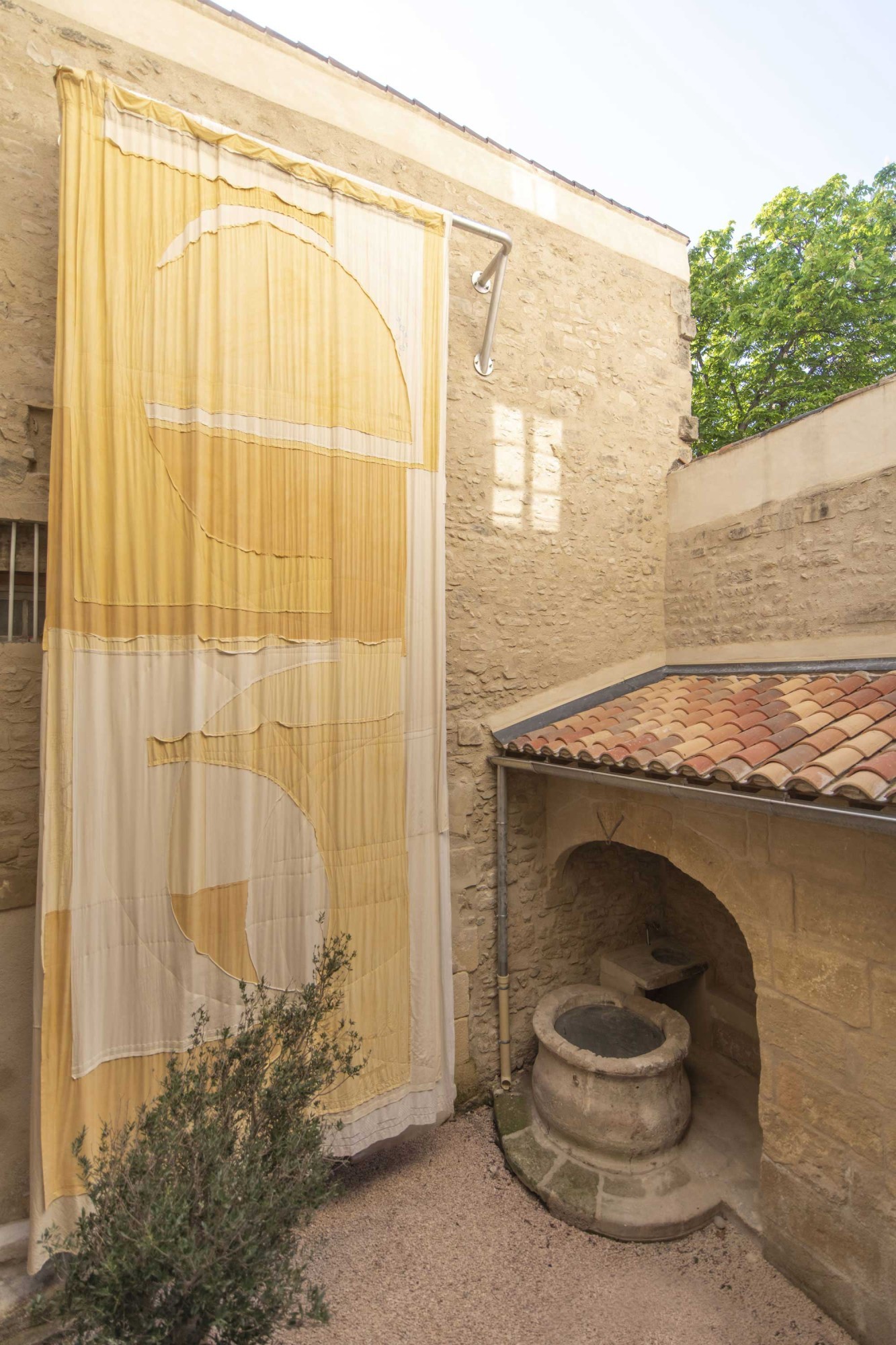
N.G.: Arles is a fascinating laboratory for experimentation. There are, of course, its omnipresent Roman remains, but the Camargue and its biodiversity also provide fertile ground for research and experimentation. Above all, however, there is the question of adapting the city to climate change. Arles is extremely built-up, and heatwaves are far more intense here than elsewhere. In summer, the heat is unbearable — you feel as though you are burning! There is therefore an urgent need to find adaptation solutions, especially if we want to continue developing cultural projects during the summer months.
P.S.: Have you managed to forge links with the wider Arles ecosystem, particularly with Atelier Luma, which has been working on these issues for many years?
N.G.: They have been exploring these subjects for fifteen years and work on a very different scale from mine. I restored an eighteenth-century house at the foot of the Arles Amphitheatre from top to bottom, working with local craftspeople. My focus is on craftsmanship, agriculture, the town centre and local businesses. I develop projects that are rooted in dialogue with the local area and the wider region. We need to want to work together and find a natural way of doing so, despite being very different organisations. I hope that will happen in the future.
P.S.: What solutions and measures can be put in place? You founded the Citoyen Arles Action Climat group, which now brings together a number of local stakeholders. What is the purpose of this coalition?
N.G.: I am passionate about my work supporting contemporary creation, but in the long term, if no commitments are made on these environmental issues, it will become difficult. I am far from alone in saying this: many of us in civil society want to take concrete action. We therefore created a coalition of private cultural organisations and civil society stakeholders to develop a climate adaptation action plan in partnership with the city and regional authorities. It begins with very simple measures: greening façades, planting trees and bringing fountains back into use.
P.S.: In 2023, there was a residency called Acclimatation, funded by the City, which brought together architects, landscape designers and others to explore these issues. What became of it?
N.G.: The resulting document contained fifty pages of proposed solutions: shade structures, fountains, tree planting, bringing the Canal de Craponne back into use… Yet none of these measures has received funding. In early July, in the middle of a heatwave, there was no water in the fountain on Place de la République in Arles. It is up to us, as civil society, to initiate and implement solutions. Otherwise, we are going to burn.
P.S.: What are your ambitions for Fondation Thalie in relation to these issues over the coming years?
N.G.: To continue supporting artists over the long term. Today, I am also interested in developing off-site projects, both in Europe and internationally. I am forging links with biennials to develop international projects addressing these ecological issues. Our next exhibition will stem from a residency invitation in partnership with Villa Swagatam, a French residency programme in India.
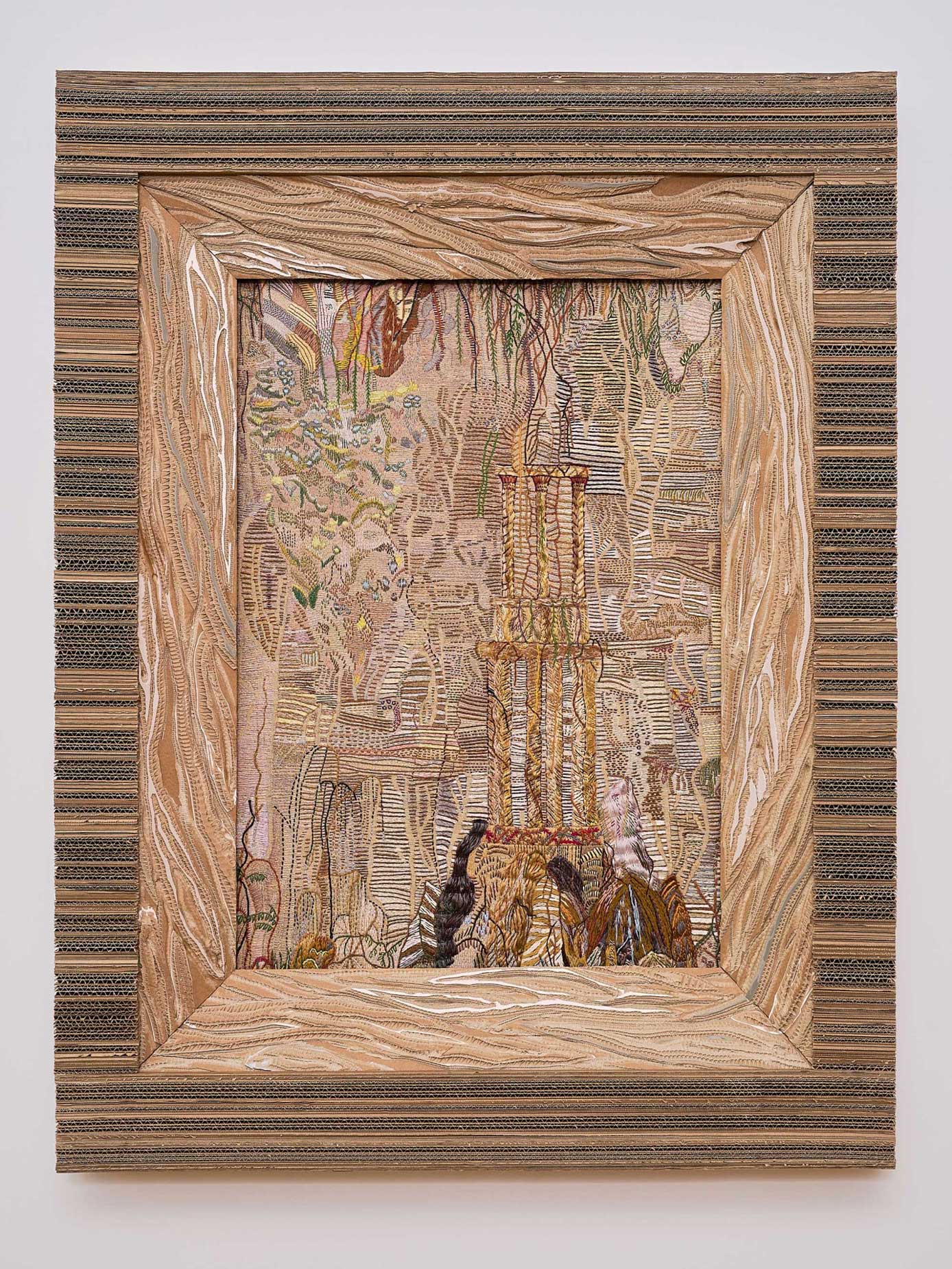
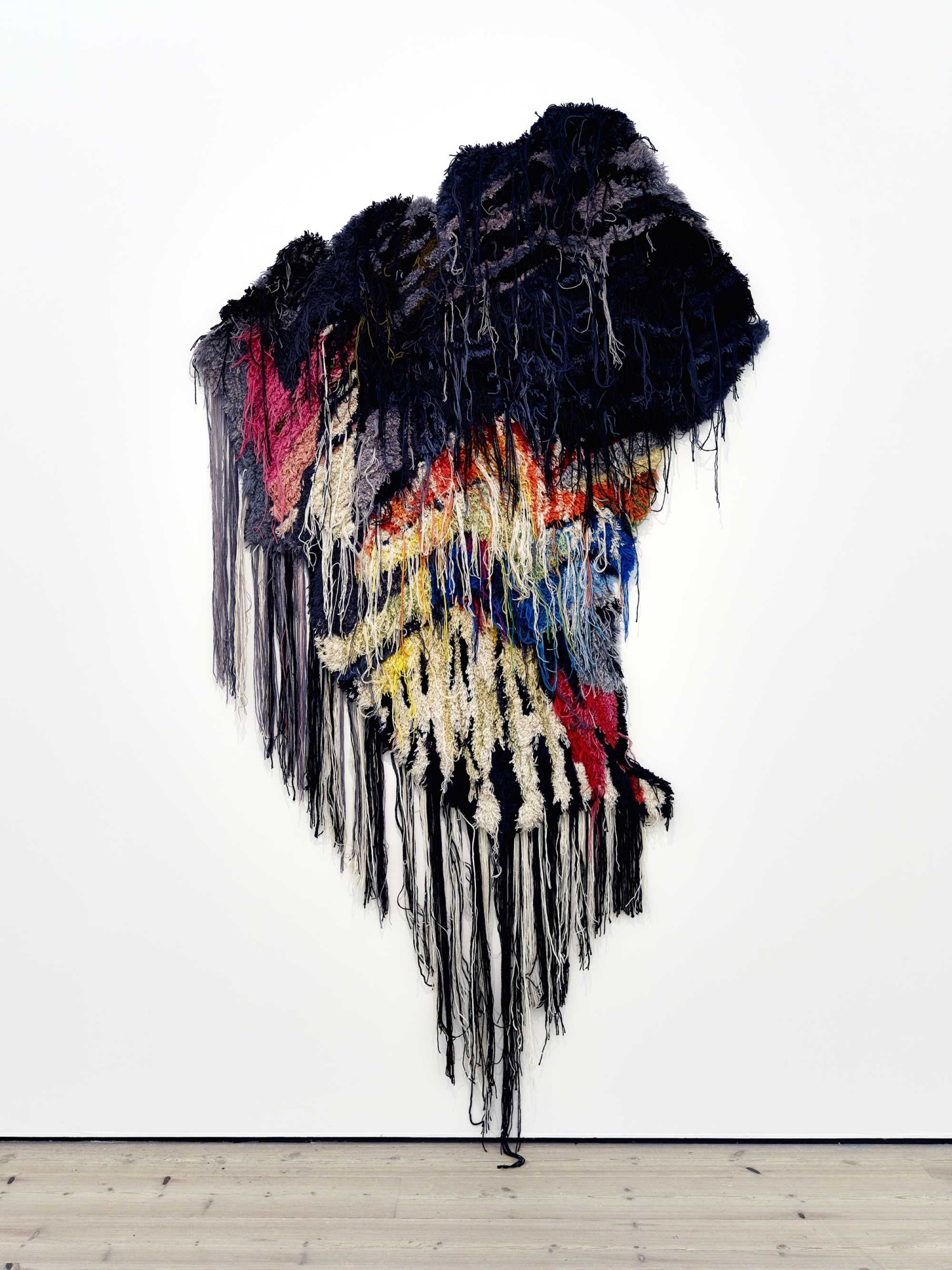
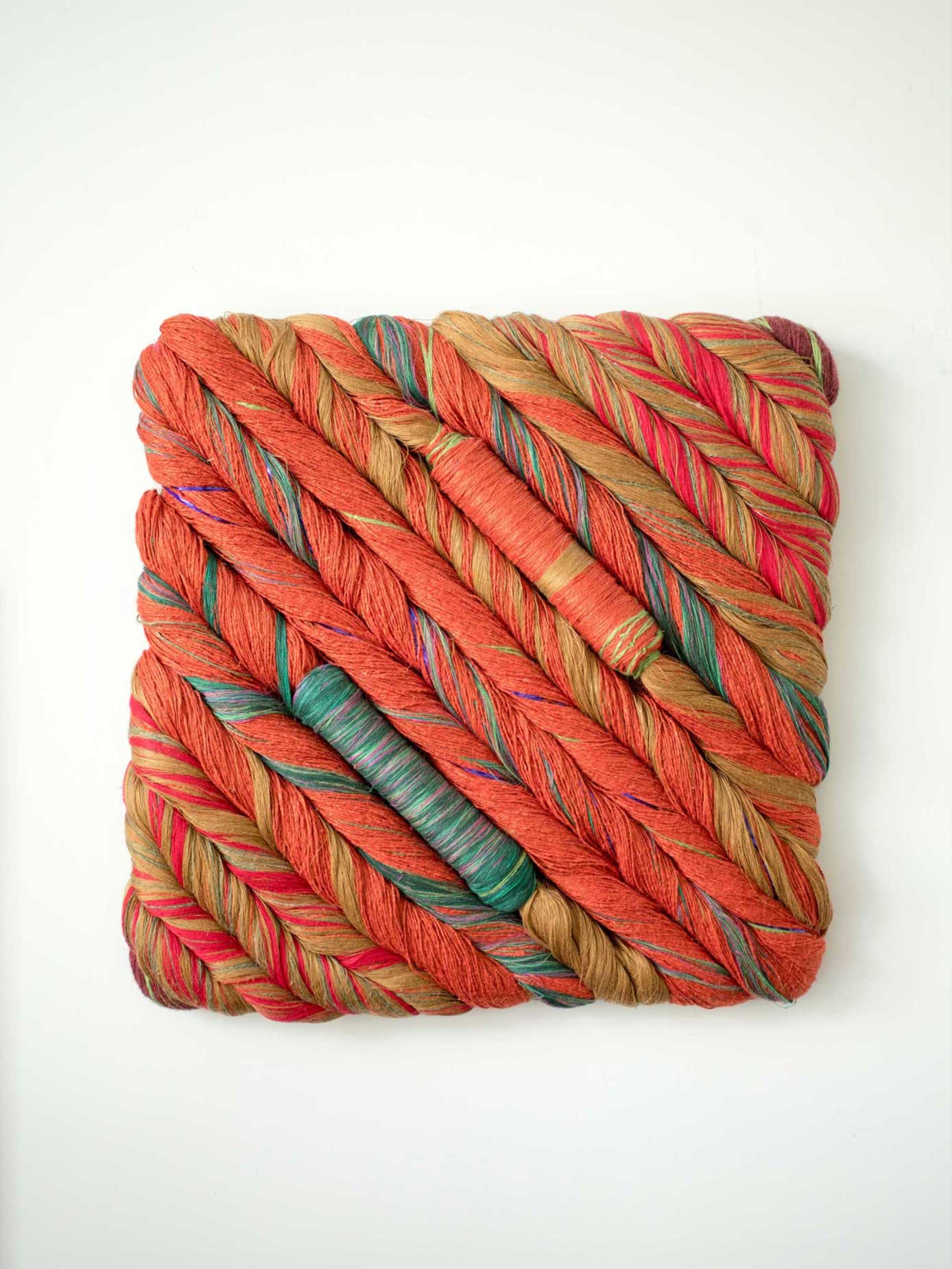
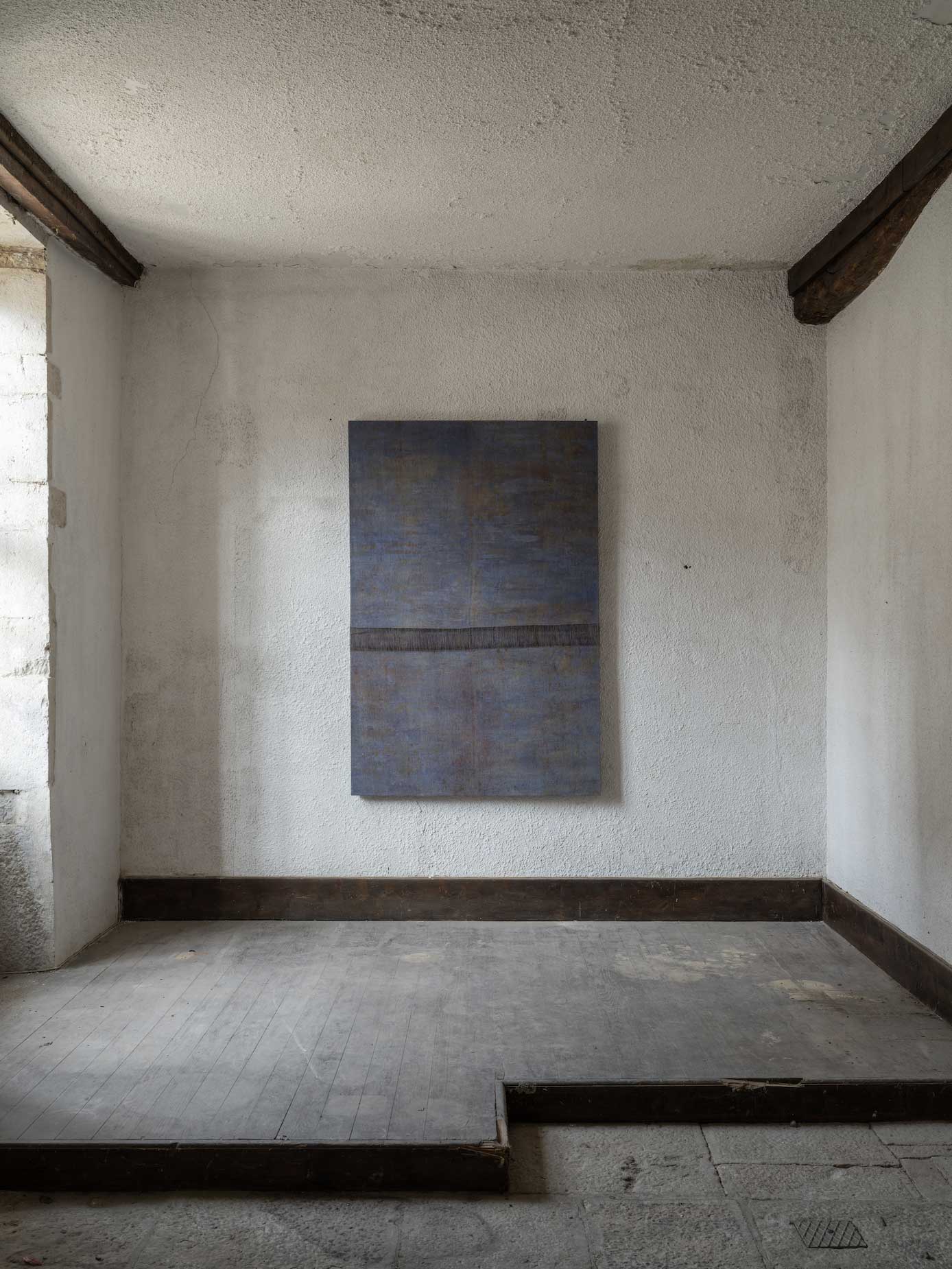
→ Tisser les imaginaires, until 31 July 2026 at Collection Thalie, Arles. Guided tours by reservation on Wednesdays and Saturdays at 5pm until 31 July 2026 (30–40 minutes)
→ Discover our art itinerary through Arles, Nîmes and Avignon