Who is Banksy? That is the big question! Nobody really knows — or almost nobody… In Bristol, his hometown, everyone who does — former classmates, neighbours — jealously guards the secret of his identity. Even when a British newspaper offered a substantial sum for a photograph of Banksy, no one was willing to break the pact of silence. In Bristol, solidarity and community spirit are far from empty words. A true mystery surrounds the artist’s work.
One of his early pieces, Pulling the Plug, painted on the City Hall fountain in 2001, was erased by the City Council, which at the time enforced a “zero tolerance” policy on wall art and had little appreciation for the artist’s subversive message. Many of Banksy’s works have shared a similarly mysterious fate. Girl with Balloon was partially self-destructed in October 2018 as a denunciation of the commodification of art. The irony of history: three years later, the shredded work, retitled Love is in the Bin, was sold at Sotheby’s in London for nearly £18.6 million (€21.8 million). Morons, depicting an art auction with the inscription “I can’t believe you morons actually buy this shit”, was purchased for $95,000 (around €80,000) by Injective Protocol, a decentralised finance platform, which then deliberately burned it live on Twitter in order to resell it in digital form as an NFT.
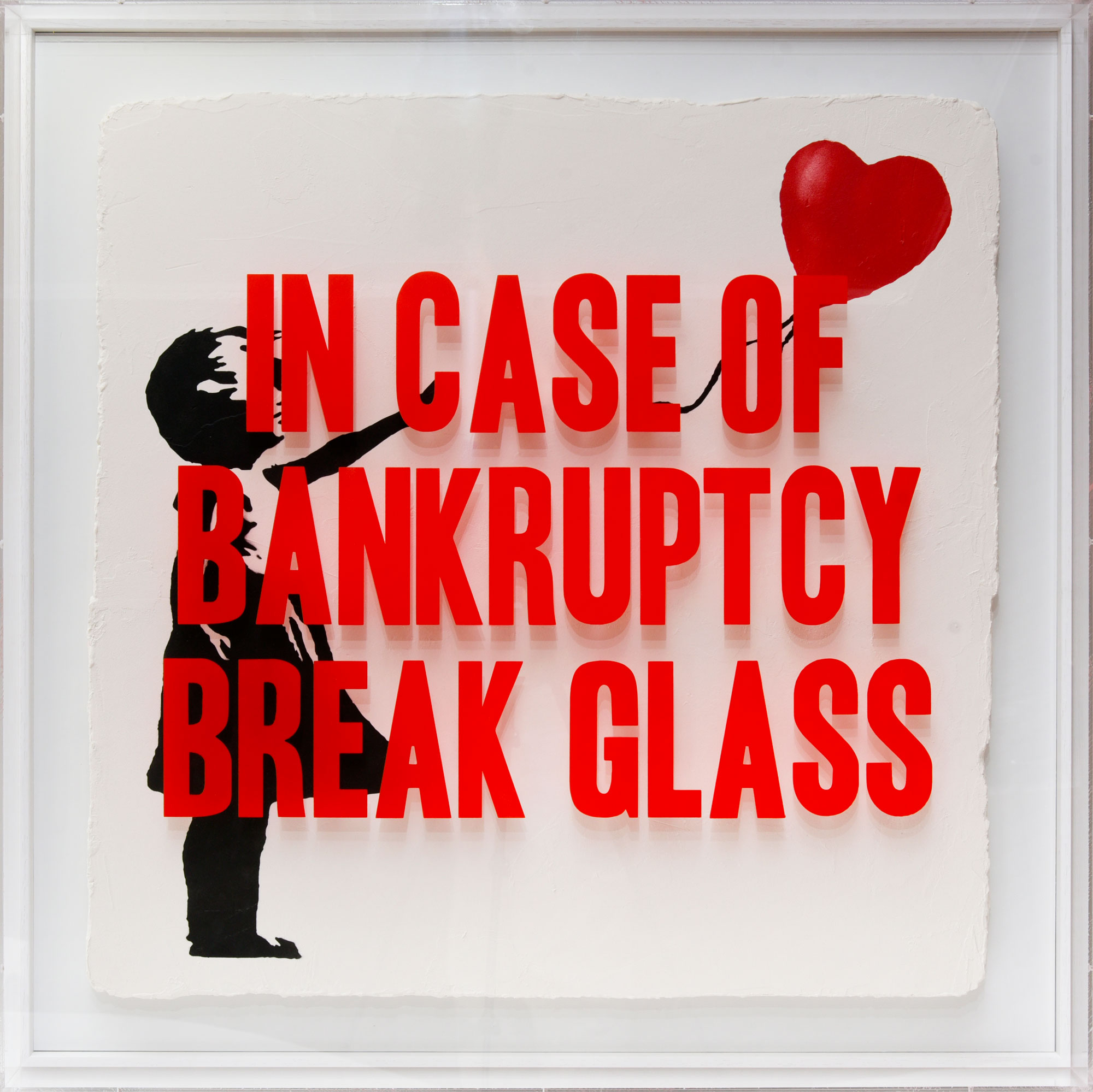
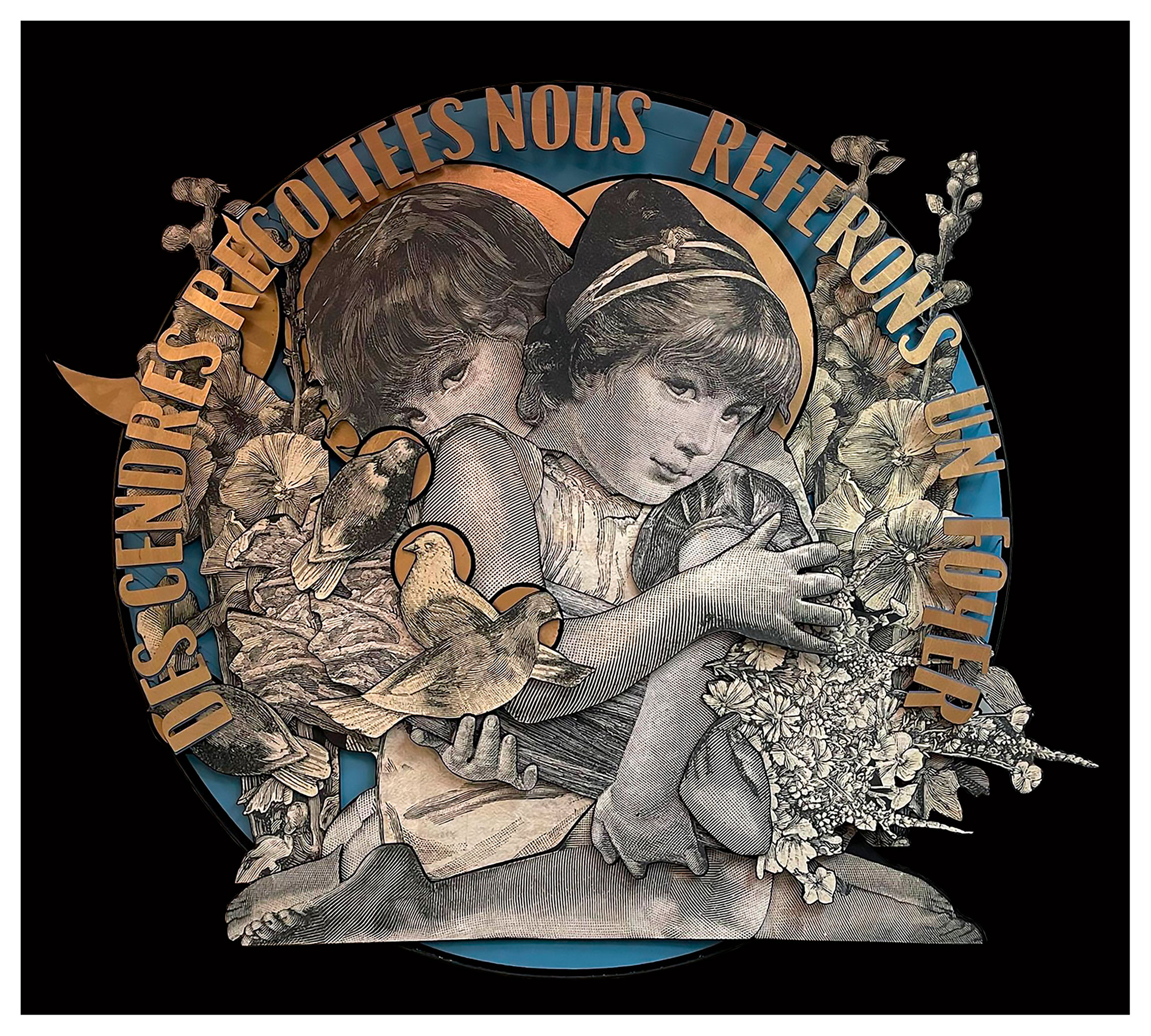
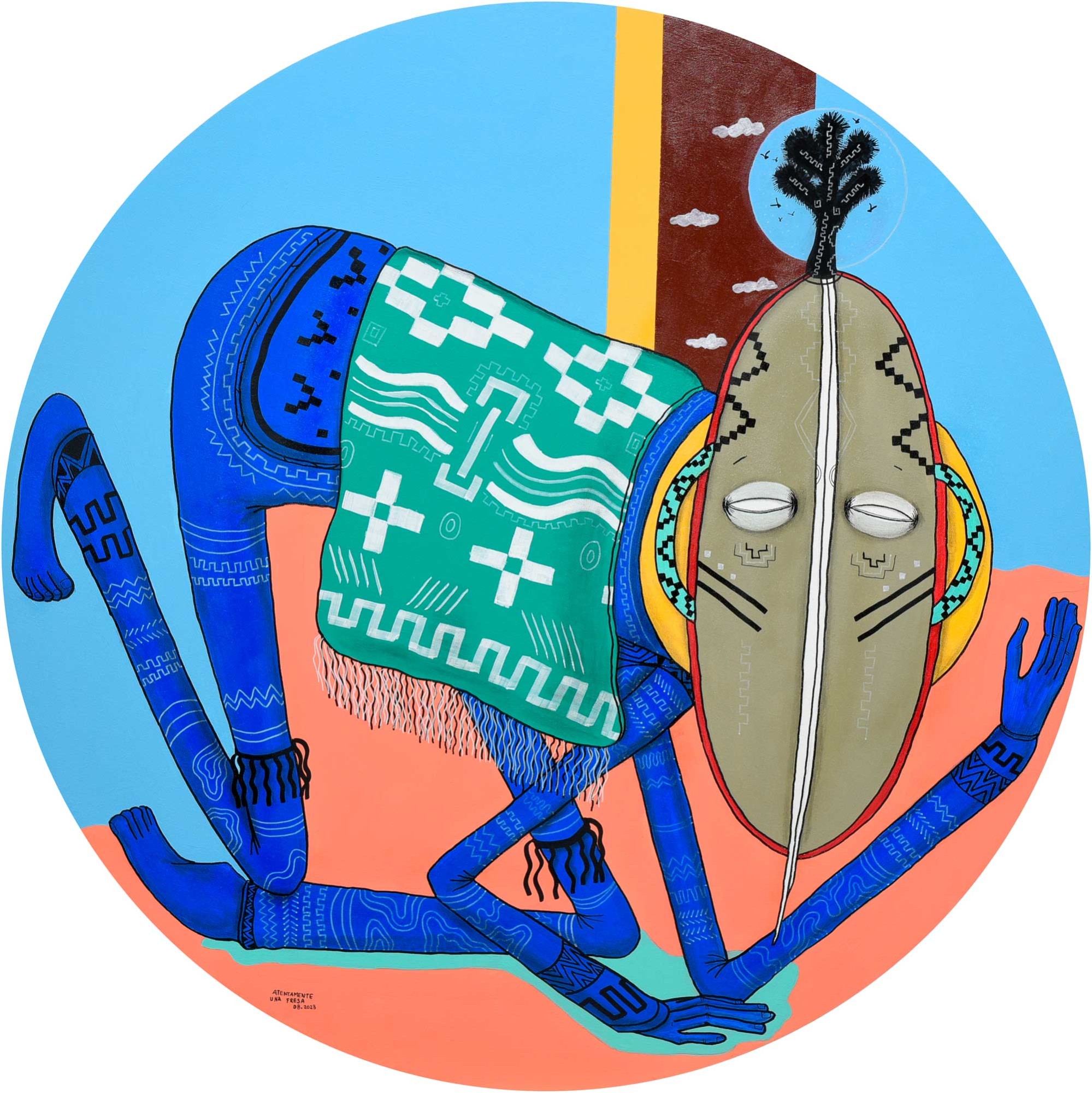
Plein Sud: Why an exhibition on Banksy in Toulon?
Brigitte Gaillard: Street art is an extremely popular form of expression, with strong local roots and many events across the region. That is why, when 24 Ore Cultura proposed a collaboration, we felt it was highly relevant to showcase works of urban art — which also gave us the opportunity to highlight our own collection of contemporary art.
P.S.: Where do the works on display come from?
B.G.: All the pieces in the exhibition have been loaned by private collectors. At the same time, we have created a dedicated route through our own contemporary art collections. In addition, an exhibition devoted to the works of Ernest Pignon-Ernest, a pioneer of urban art whose pieces are part of our holdings, is being shown simultaneously in our Prints and Drawings Room.
P.S.: After Warhol at the Hyères museum, here is Banksy in Toulon. Two major figures. Do you think this exhibition will attract a new audience?
B.G.: One of the museum’s key aims is to move beyond its regular visitors and open up to a wider audience. It is true that the appeal of a world-renowned figure like Banksy helps draw in a younger public, often less familiar with cultural institutions. In short, this type of exhibition can serve as a gateway, encouraging new cultural habits and practices. Most visitors to the exhibition then go on to discover the MAT’s permanent collection. Finally, we are also keen to diversify our audience by attracting the many international visitors who come to the region.
P.S.: What is the artistic direction of the museum and the MAT’s collection?
B.G.: Since the museum’s renovation and reopening five years ago in Toulon, the MAT’s permanent display has focused on two main themes: 19th-century landscape painting and contemporary art from the 1960s to the 1980s. The collection includes such emblematic works as Le Sein de César, Yves Klein’s Portrait of Martial Raysse, and Gerhard Richter’s monochrome Grey. This diversity and plurality of collections allows the MAT to create varied and relevant exhibitions drawn from its own holdings, while also engaging in dialogue and hosting large-scale shows in partnership with international institutions.
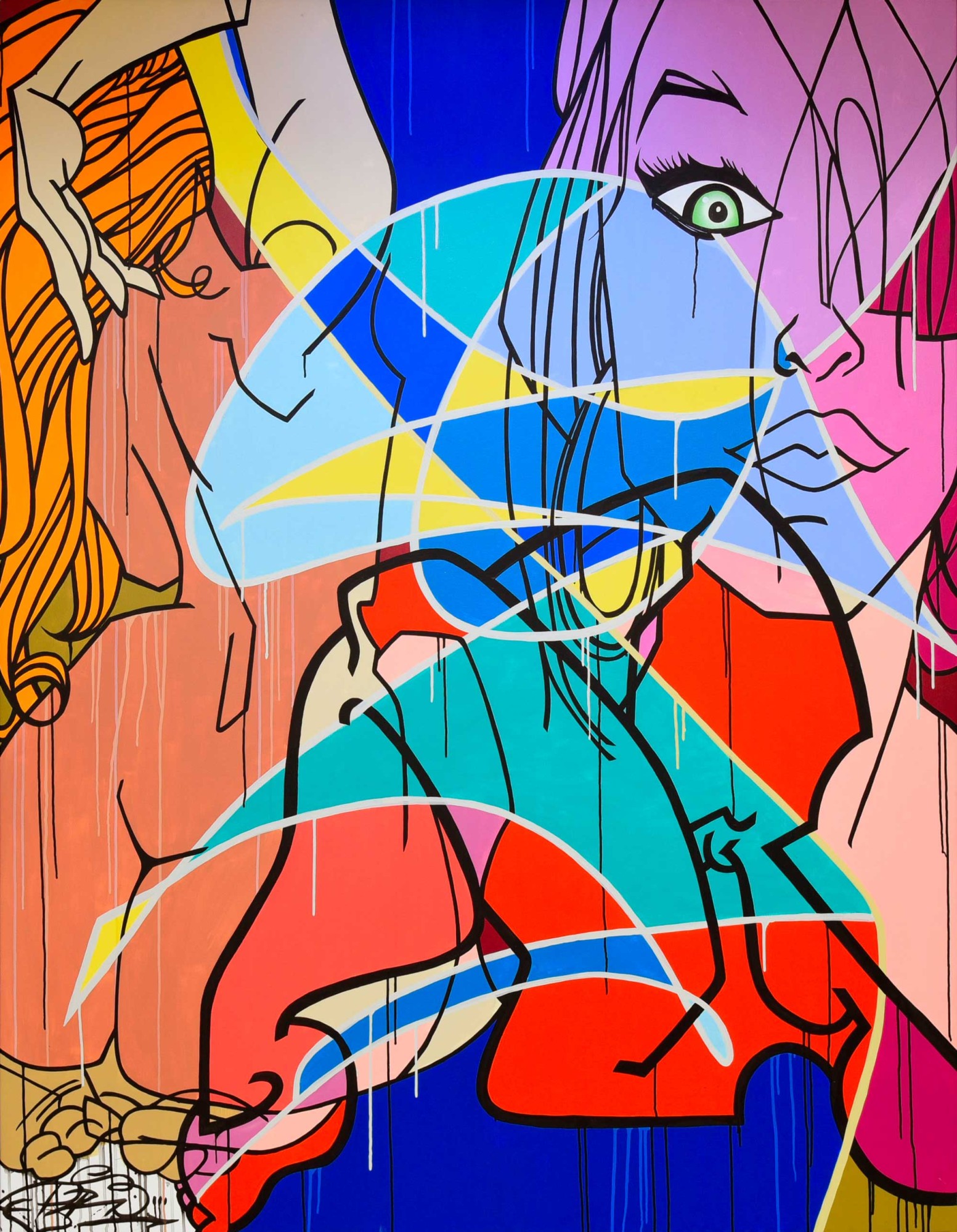
Banksy Before/After, a (R)evolution, at the Musée d’Art de Toulon (MAT), until 5 October 2025.